

Summary
22 items · 30-60 minutes to prepare
Why a State Park Is the Perfect First Campout
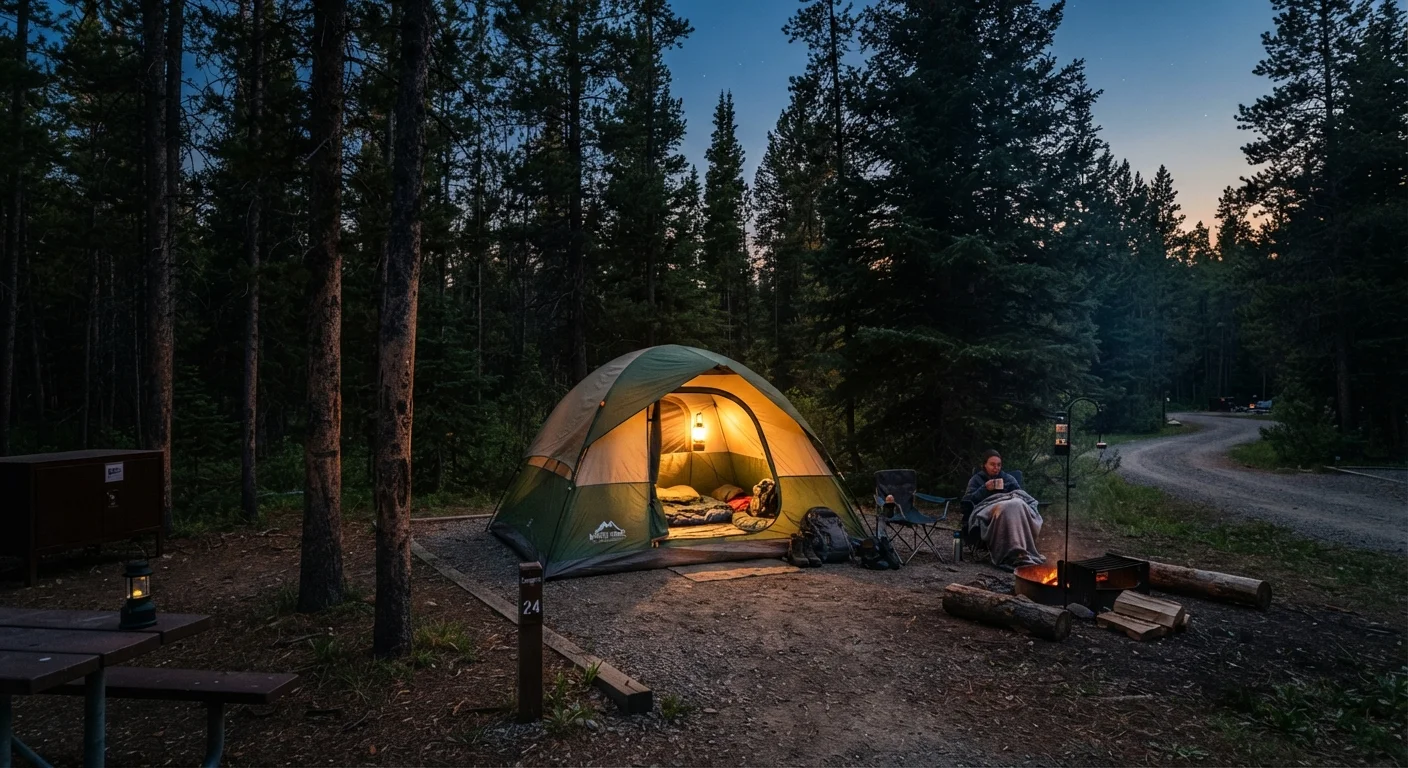
State parks hit a sweet spot that's hard to beat for first-timers: they're accessible, affordable, and come with infrastructure - restrooms, fire rings, and sometimes even camp hosts - that takes the edge off the unknown. They're an ideal launchpad before you consider anything more demanding, like a backcountry route or a multi-day backpacking trip.
But even a well-developed state park campground rewards preparation. The difference between a night that feels magical and one that feels miserable usually comes down to a handful of decisions made days before you leave your driveway. This checklist exists to make sure you've covered them all.
If you're also weighing whether a day hike might suit you better right now, the comparison article on day hiking vs. backpacking can help you think it through.
State Park Reservation Portal
Used to book your campsite, review site maps, and download permits before arrival.
Offline Maps App (e.g., AllTrails, Gaia GPS, or Maps.me)
Provides navigation within the park when cell coverage is unavailable.
Headlamp with Fresh Batteries
Hands-free lighting for setting up camp after dark, nighttime bathroom trips, and emergency use.
Camp Stove & Fuel
Enables hot meals and boiling water for safe hydration if a water filter is also in use.
Bear Canister or Hard-Sided Cooler
Required or strongly recommended at most state parks for safe, regulation-compliant food storage.
Working Through the Checklist
The 22 items below are organized into five logical categories: locking in your reservation and understanding park rules; assembling a shelter and sleep system matched to the season; planning food and water safely; covering basic safety and navigation; and respecting the campground culture that keeps shared outdoor spaces enjoyable for everyone.
Work through each group a few days before your trip - not the morning of. That window gives you time to track down a missing tent stake or swap a sleeping bag that isn't rated warm enough. For a deeper look at gear fundamentals that apply beyond the campground, check out the guide on packing a Ten Essentials kit.
Reservations & Park Rules
Shelter & Sleep System
Food, Water & Storage
Safety & First Aid
Campground Etiquette
Confirm Reservation Policies Before You Arrive
State park reservation systems vary by state - some require full prepayment, others charge cancellation fees, and a few allow first-come sites only. Arriving without a valid reservation at a fully-booked park means no camping that night. Double-check your confirmation number and site assignment the day before you leave.
Never Leave a Campfire Unattended
Even a small campfire can escape a ring and spread quickly in dry conditions. Always douse fires completely with water - stir the ash and feel for heat before walking away. Many state parks issue fire bans during dry seasons; check current conditions before you light anything.
Food Storage Is a Wildlife Safety Rule
Leaving food, trash, or scented products unsecured doesn't just risk a stolen snack - it conditions wild animals to associate campsites with food, which can lead to dangerous encounters and may result in animals being euthanized. Follow posted food storage rules at all times.
Before You Head Home: A Quick Camp-Out Debrief
After your first overnight, take five minutes before you break down camp to think about what worked and what you'd do differently. Did your sleep system keep you warm enough? Was your food plan realistic for cooking at a picnic table? These mental notes are gold for your next trip.
Once you're ready to step up your adventure, winter camping is a genuinely different challenge - and a rewarding one - but it demands a separate gear list and a fresh mindset. For now, celebrate the win: you spent a night outside and came back with the itch to do it again. That's the whole point.
And if the camping bug leads to curiosity about managing an outdoor recreation budget or tracking trip costs, a plain-English intro to building your first budget is a practical next step.
The content on this site is for informational purposes only and is not a substitute for professional advice. Always consult a qualified professional for guidance specific to your situation.