

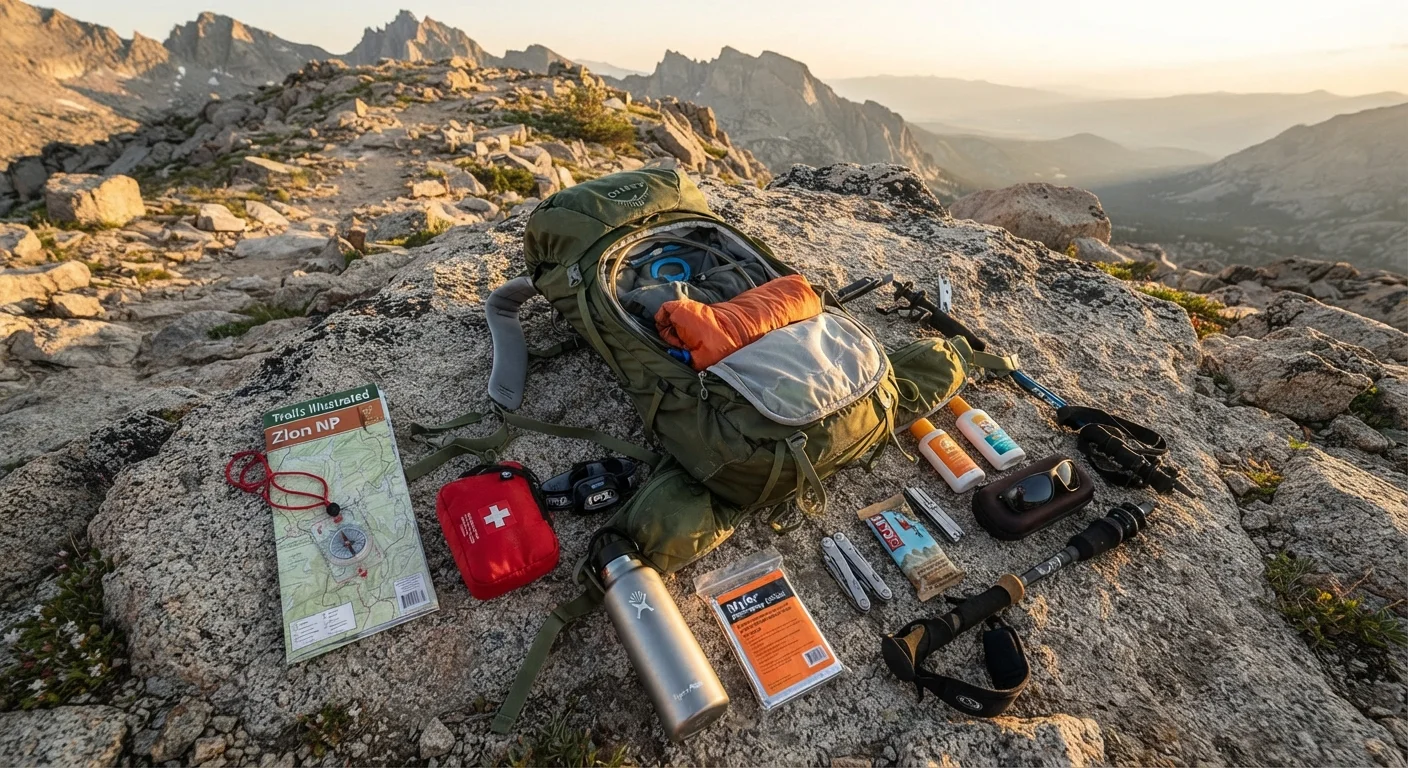
What Are the Ten Essentials?
The Ten Essentials system dates back to a 1930s mountaineering club called The Mountaineers, who identified the items every backcountry traveler should carry to handle emergencies or spend an unplanned night outdoors. Over the decades, the list evolved from individual items into ten functional systems - meaning each entry represents a category of need, not a single product.
Whether you're heading out on a half-day hike or a multi-night backpacking trip, this framework is the foundation of outdoor preparedness. Before you set foot on any remote trail, it's worth understanding what preparation really involves.
| Origin of the list | The Mountaineers, Seattle, 1930s |
| Current format | Ten functional systems (not individual items) |
| Who should carry it | Anyone traveling beyond developed trailheads |
| Core purpose | Survive an emergency or unplanned overnight |
| Heaviest common item | Hydration system (water + filter) |
| Lightest option | Emergency space blanket (under 2 oz) |
Breaking Down Each System
Here's what the modern Ten Essentials covers and why each system earns its place in your pack:
- Navigation - A map of the area and a compass (plus the knowledge to use them) remain non-negotiable. GPS devices and phone apps are useful supplements, not replacements.
- Sun protection - Sunscreen, UV-blocking sunglasses, and a hat guard against sunburn and snow blindness, especially at elevation where UV intensity increases sharply.
- Insulation - Extra layers beyond what you expect to need. Conditions shift fast in the backcountry; hypothermia can set in even in mild temperatures.
- Illumination - A headlamp or flashlight with fresh batteries. Headlamps free your hands for scrambling or setting up camp in the dark.
- First-aid supplies - A compact kit covering blister care, wound dressing, pain relief, and any personal medications. Wilderness first aid courses are strongly recommended for backcountry travelers.
- Fire - Waterproof matches, a lighter, or a fire starter. Fire can signal rescuers and provide warmth in a survival situation.
- Repair tools and knife - A multi-tool or knife, duct tape, cordage, and gear-specific repair items (pole splints, tent pole sleeves) to handle equipment failures on trail.
- Nutrition - Extra food beyond your planned meals. Calorie-dense, shelf-stable options like nuts, jerky, or energy bars provide fuel if your return is delayed.
- Hydration - Extra water and a means to treat natural sources (filter, purification tablets, or UV purifier). Dehydration impairs judgment and physical performance quickly.
- Emergency shelter - A lightweight bivy, emergency space blanket, or tarp. If you're forced to spend an unplanned night out, shelter can be lifesaving.
Packing these systems smartly doesn't mean carrying heavy dead weight. Modern lightweight versions of most items are compact and affordable.
Backcountry
Remote, undeveloped wilderness areas typically beyond maintained trails or facilities. Travel here requires self-sufficiency and preparedness for emergencies.
Bivy (bivy sack)
A lightweight waterproof bag designed to fit over a sleeping bag or body, offering emergency weather protection with minimal weight.
Hypothermia
A dangerous drop in core body temperature caused by cold, wet, or windy conditions. It can develop even in moderate temperatures and impairs judgment before physical symptoms become obvious.
Water purification
The process of making natural water sources safe to drink by removing pathogens, using methods such as filtration, chemical tablets, or UV light devices.
Scaling the Kit for Your Trip
A two-hour trail near a trailhead parking lot calls for a lighter, scaled-down version of this kit than a three-day wilderness traverse. The principle stays the same: match your preparation to your exposure. Longer trips, more remote terrain, and harsher weather each demand a more robust kit.
For those new to overnight travel, a beginner's guide to backpacking can help you understand how these systems fold into full trip planning. Winter conditions add another layer of complexity - cold-weather camping requires reinforced insulation and shelter systems. And once you've got your safety kit dialed in, round out your outdoor ethics with Leave No Trace principles so you're protecting the places you love to explore.
Overnight Camping Adds Extra Demands
If your adventure includes a campsite stay, your Ten Essentials kit needs to be supplemented with sleep system gear, cooking equipment, and food storage solutions. A campsite checklist can help you cover all the bases before your first overnight stay.
This article is for general informational purposes only. Always consult ranger stations, local land managers, and qualified instructors for guidance specific to your destination and skill level.
The content on this site is for informational purposes only and is not a substitute for professional advice. Always consult a qualified professional for guidance specific to your situation.