

Our Verdict
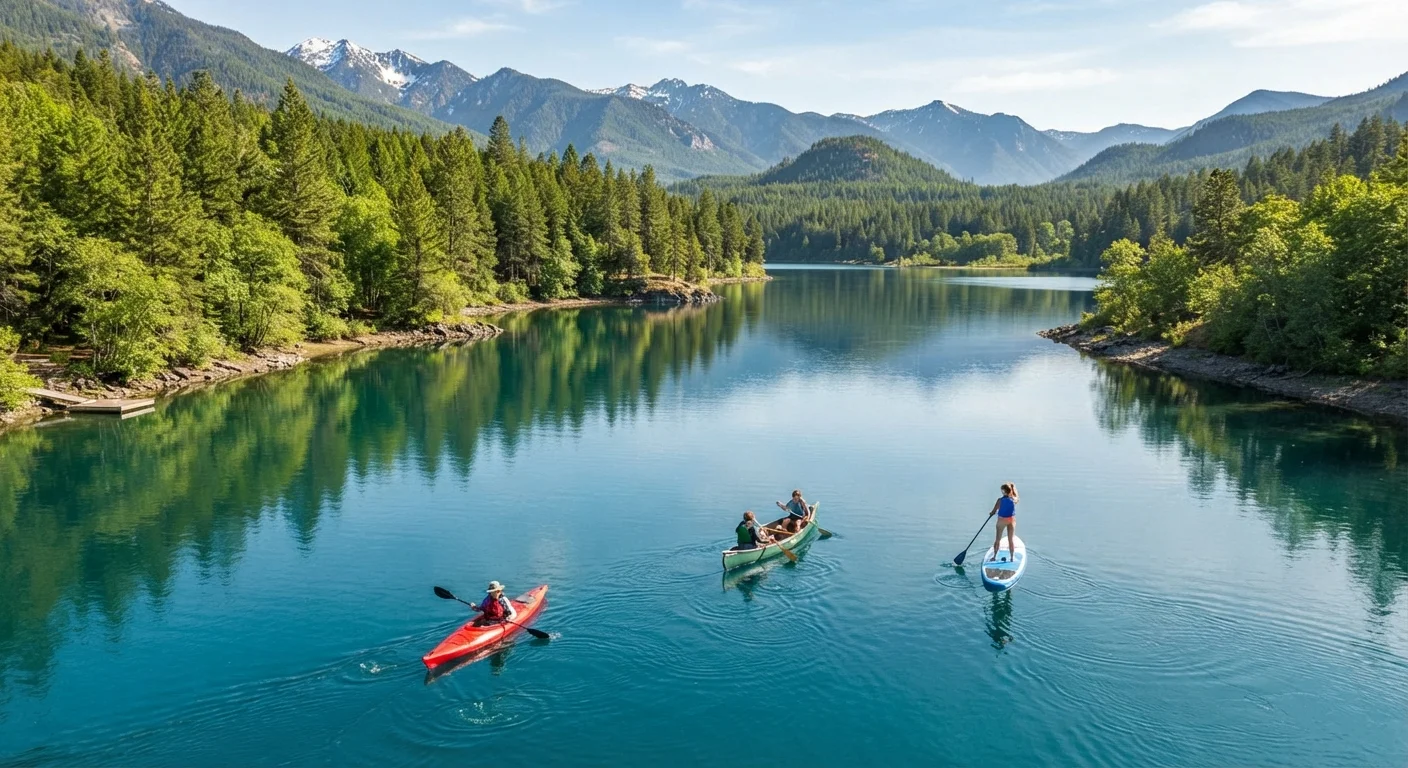
All three paddle sports deliver genuine fun and fitness, but they shine in different scenarios. Kayaking rewards solo adventurers who want speed and precision; canoeing suits groups and load-heavy expeditions; paddleboarding trades performance for portability and versatility. The right pick comes down to where you paddle, who joins you, and what you want to get out of the water.
| Best for | Recommended |
|---|---|
| Solo paddlers seeking speed, control, or river navigation | Kayaking |
| Families, groups, or anyone needing cargo capacity | Canoeing |
| Those wanting a full-body workout with easy storage and transport | Paddleboarding |
| Beginners unsure of their direction | Rent all three before deciding |
Why the Paddle Sport You Choose Actually Matters
Choosing between kayaking, canoeing, and paddleboarding isn't just a gear question - it shapes where you go, who you go with, and how your body feels the next morning. Each watercraft has a distinct personality. Get it right and you'll be hooked for life. Get it wrong and that expensive purchase gathers dust in the garage.
If you're already curious about how paddle sports fit into a broader active lifestyle, check out our look at outdoor recreation options that double as real exercise - kayaking earns a notable mention there too.
The good news: all three options are accessible to most adults, widely available at rental outfitters, and genuinely rewarding. The key is matching the craft to your reality, not just the coolest Instagram shot.
| Kayaking | Canoeing | Paddleboarding | |
|---|---|---|---|
| Best setting | Rivers, coasts, lakes | Calm rivers and lakes | Flat water, lakes, mild surf |
| Passenger capacity | 1-2 people | 2-4 people | 1 person (usually) |
| Gear and cargo space | Moderate (hatches) | Excellent (open hull) | Limited |
| Learning curve | Moderate | Moderate to steep | Low to moderate |
| Transport and storage | Requires roof rack or trailer | Requires roof rack or trailer | Inflatable: backpack-sized |
| Fitness emphasis | Upper body and core | Upper body and core | Full body, strong core focus |
| Rough water performance | Good to excellent | Poor to fair | Fair (depends on conditions) |
Kayaking: Speed, Control, and Solo Freedom
Kayaks are enclosed or semi-enclosed boats propelled by a double-bladed paddle. That seated, low-center-of-gravity position gives paddlers strong directional control and surprising speed - qualities that matter on windy lakes, tidal estuaries, and moving rivers.
The learning curve is moderate. New paddlers can move comfortably on flat water within an hour, but reading river currents or handling ocean surf demands real skill development over time. Sit-inside kayaks feel more secure in rough conditions; sit-on-top models are easier to re-board if you flip - a major perk for warm-water paddlers.
Kayaking skews toward solo or tandem use. Storage hatches exist, but packing for a multi-day trip is an art form. If you're the type who wants to cover distance efficiently and independently, kayaking is hard to beat.
Rent Before You Invest
Most outfitters near popular waterways rent kayaks, canoes, and paddleboards by the hour or day. Trying each craft in real conditions - not just reading about them - is the single best way to identify which one clicks for you. Aim to paddle each at least twice before considering a purchase.
Canoeing: The Group and Expedition Workhorse
Open-hulled canoes have ferried people across North American waterways for centuries, and for good reason: they carry remarkable loads. Two paddlers, camping gear, a cooler, and a dog - canoes handle it all without complaint. That open design also makes entry and exit far simpler for passengers with limited mobility.
Paddling technique matters more here than beginners expect. The single-bladed paddle requires deliberate strokes (the J-stroke is a classic skill to learn) to keep a straight line without constantly switching sides. In a tandem setup, communication between bow and stern paddlers makes a real difference.
Canoes are the go-to for calm rivers, lakes, and multi-day wilderness trips. They struggle in choppy open water and can feel sluggish for solo paddlers. But as a shared experience - a family weekend on a river, a camping float trip with friends - few things match the canoe's combination of comfort and capacity.
Paddleboarding: Versatility and a Serious Workout
Stand-up paddleboarding (SUP) is the youngest of the three disciplines and arguably the most versatile. Riders stand on a wide, buoyant board and use a single long paddle to move across the water. The upright stance engages core muscles, glutes, and legs constantly - even a leisurely paddle delivers a real fitness stimulus.
Inflatable SUPs (iSUPs) have transformed the sport's accessibility. They deflate, roll up, and fit in a backpack, making them practical for apartment dwellers and road-trippers alike. Check out our guide on how to interpret outdoor gear ratings and standards when evaluating board weight limits and construction claims.
Stability varies widely by board width. Beginners do best on wider, longer boards in flat water. Falling in is common early on - that's part of the fun. SUP yoga, SUP fishing, and even SUP racing have all grown into legitimate sub-communities, illustrating just how adaptable the platform is.
3.7M+
Americans who paddleboard annually
The Outdoor Industry Association has tracked stand-up paddleboarding as one of the fastest-growing outdoor activities in the United States.
~400 cal/hr
Calories burned during moderate kayaking
Estimates from exercise science sources suggest moderate-intensity kayaking burns roughly 300-400 calories per hour depending on body weight and conditions.
Practical Factors: Gear, Access, and Getting Started
Beyond performance characteristics, a few practical realities will shape your decision. Storage is a genuine constraint: hard-shell kayaks and canoes require roof racks, trailers, or large storage spaces. Inflatable SUPs sidestep this almost entirely. Transportation logistics alone push many urban paddlers toward paddleboarding.
Cost varies by category and quality tier, but all three sports are accessible through rental programs - a smart first step before any purchase. Many state parks, outfitters, and recreation centers offer hourly or daily rentals. If you're weighing the broader investment, you may find our article on outdoor activities across every fitness level helpful for thinking through how paddle sports fit your physical goals and current fitness baseline.
Safety applies equally across all three: always wear a properly fitted personal flotation device (PFD), know the conditions before launching, and tell someone your plan. Cold water significantly increases risk even on calm days - this applies regardless of experience level. For anything beyond flatwater beginners' paddling, a skills course from a certified instructor is time and money well spent.
Whether you're eyeing a solo river run, a family lake day, or a sunrise fitness session on flat water, one of these crafts is almost certainly your next favorite thing. The best approach? Like choosing between hiking styles, start with a rental, pay attention to what makes you smile, and go from there.
The content on this site is for informational purposes only and is not a substitute for professional advice. Always consult a qualified professional for guidance specific to your situation.