

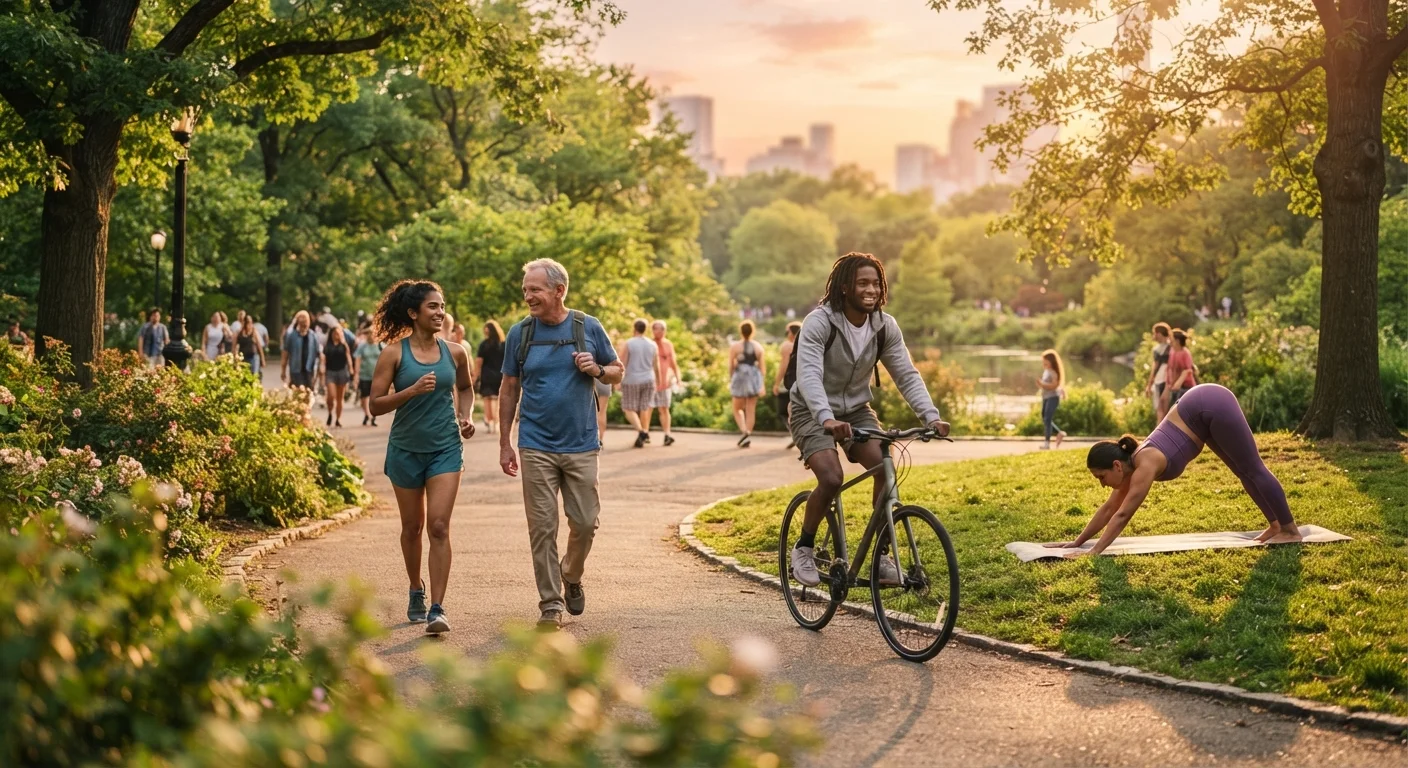
The Outdoors Belongs to Everyone
There's a stubborn myth that outdoor recreation is reserved for the ultra-fit - the people who summit peaks before breakfast and log thirty-mile bike rides for fun. The reality is far more welcoming. Whether you're returning to activity after a long break, managing a chronic condition, or simply looking for a way to unplug, the outdoors has something built for your current level.
The key is matching the activity to where you are, not where you think you should be. That's the mindset behind this list. We've mapped out seven outdoor activity types across the fitness spectrum, from the most low-impact starting points to more demanding adventures - so you can find an honest entry point and grow from there. For a broader look at how outdoor time supports your overall wellbeing, check out the mental health case for spending time outdoors.
Flat-Terrain Walking and Nature Strolls
Walking on paved paths, boardwalks, or flat nature trails is one of the most accessible forms of outdoor movement available. It requires no special gear beyond supportive footwear, imposes minimal joint stress, and can be paced entirely to your comfort level. It's an ideal starting point for anyone re-entering regular physical activity after a sedentary period.
Even modest daily walks accumulate meaningful cardiovascular benefits over time. Parks, greenways, and botanical gardens are great venues - check your local parks department for paved loop trails rated for easy terrain. Our Fitness & Active Life hub has additional guidance on building movement into everyday routines.
Walking on flat terrain is one of the most accessible and underrated forms of outdoor exercise.
Recreational Cycling on Dedicated Paths
Cycling on multi-use trails or designated bike paths offers a low-impact cardio option that's easier on knees and hips than running. Riders can self-regulate intensity simply by adjusting pace or choosing flatter routes, making it suitable for a wide range of fitness levels.
Many US cities and towns have expanded their protected trail networks significantly, and local bike-share programs can eliminate equipment concerns for casual riders. This is a particularly good option for people who find extended walking uncomfortable but want to cover more ground outdoors. See our article on outdoor recreation options that double as real exercise for how cycling stacks up against other recreational activities.
Cycling on dedicated paths lets you cover real ground while keeping joint impact low.
Paddling: Kayaking, Canoeing, and Paddleboarding
Water-based activities offer a refreshing change of environment and a genuine upper-body and core workout - often without the exertion feeling as intense as land-based exercise. Calm lakes, slow-moving rivers, and sheltered coastal bays are ideal for beginners. Most paddle sports have short learning curves for basic technique, and guided tours are widely available for first-timers.
Balance demands vary: sit-inside kayaks are generally the most stable entry point, while paddleboarding adds a balance challenge that builds core strength over time. For a detailed breakdown of each option, this guide to kayaking, canoeing, and paddleboarding covers differences in effort and learning curve clearly.
Paddling delivers a genuine core and upper-body workout that rarely feels like work.
Day Hiking on Beginner and Intermediate Trails
Hiking on marked trails with modest elevation gain introduces terrain variety and a meaningful cardiovascular challenge without requiring overnight logistics. Beginner trails typically stay under five miles with limited elevation change; intermediate routes add distance or steeper sections that engage the legs and lungs more seriously.
Sturdy footwear, plenty of water, and a trail map (downloaded offline if cell coverage is uncertain) are the core essentials. Understanding the difference between national parks and national forests - including fee structures and trail access - can also shape your planning. Our piece on national parks vs. national forests is a practical starting point for that.
Day hiking builds real cardio capacity and resilience without overnight planning complexity.
Trail Running and Nordic Walking
For those ready to elevate intensity, trail running transforms a familiar motion into a full-body challenge - uneven terrain engages stabilizing muscles that flat-surface running ignores entirely. Nordic walking, which uses trekking poles with an active push technique, is a lower-impact alternative that meaningfully increases upper-body involvement and caloric output compared to standard walking.
Both options scale well: trail runners choose route difficulty by terrain and distance, while Nordic walkers can increase pace or hill frequency. These activities suit intermediate fitness levels and can serve as effective bridges toward more demanding outdoor pursuits like backpacking. For those weighing more involved expeditions, day hiking vs. backpacking lays out what the step up actually involves.
Uneven trail terrain forces stabilizing muscles into action that flat-surface cardio simply can't replicate.
Backpacking and Multi-Day Wilderness Trips
Backpacking represents a significant jump in physical and logistical demand - carrying a loaded pack over varied terrain for multiple days tests endurance, strength, and planning ability simultaneously. However, the rewards match the effort: nights in remote wilderness, genuine self-sufficiency, and a depth of immersion in nature that shorter outings rarely match.
Building toward backpacking should be gradual: establish a day hiking base, practice loaded carries on local trails, and start with shorter, well-marked routes before committing to remote multi-day itineraries. Fitness terminology like progressive overload and aerobic base will come up in preparation resources - this plain-language glossary of exercise terms can help decode the concepts.
Backpacking rewards are proportional to the preparation - build your base before shouldering a full pack.
Adaptive and Accessible Outdoor Recreation
Outdoor recreation is not limited to those without physical limitations. Adaptive programs across the US offer seated kayaking, handcycle trails, accessible fishing platforms, all-terrain wheelchair trails, and guided adaptive climbing. Many national and state parks have invested in accessible infrastructure, including paved scenic loops and audio-described nature experiences.
Organizations like Disabled Sports USA and local adaptive recreation programs connect participants with appropriate resources and certified instructors. If you or someone you know is navigating physical limitations, contacting your regional park service directly is often the fastest way to discover what's genuinely available and well-maintained nearby.
Adaptive outdoor programs are expanding access so that more Americans can enjoy nature on their own terms.
Making It Stick
The activity itself matters less than whether you'll actually do it again. Consistency is what transforms a single good afternoon outside into a genuine habit - and that requires honest self-assessment about what you enjoy, not just what looks impressive.
Start Where You Are, Not Where You Were
It's tempting to benchmark your current fitness against a past version of yourself - but that comparison rarely helps. Begin with activities that feel comfortable and slightly challenging, not exhausting. A positive first experience is the single strongest predictor of whether you'll go back outside next week.
If you're over 40 or managing any health condition, it's always worth a quick conversation with your doctor before significantly increasing your activity level. For age-specific guidance, our piece on staying active after 50 covers the key shifts worth knowing about. And if the solo vs. group question is on your mind, this comparison of solo and group training applies equally well to outdoor settings.
This article is for general informational purposes only and is not a substitute for medical or professional fitness advice. Consult a qualified healthcare provider before beginning any new exercise program.
The content on this site is for informational purposes only and is not a substitute for professional advice. Always consult a qualified professional for guidance specific to your situation.