

Why Roof Myths Are Costly
Your roof is one of the most expensive components of your home to repair or replace - yet it's also one of the least understood. Homeowners routinely make decisions based on widely repeated assumptions that simply don't hold up. The result is deferred maintenance, surprise failures, and repair bills that could have been reduced with earlier action.
Misconceptions about roofs tend to cluster around lifespan, visible damage, DIY repairs, and when to call a professional. Clearing these up can make a meaningful difference in how you budget and plan. For a broader view of how neglect compounds across your whole home, see why deferred home maintenance costs more over time.
Myth
A new roof doesn't need to be inspected for at least 10 years.
Fact
Even new roofs can develop problems from installation errors, storm damage, or flashing failures - annual inspections catch these early.
Installation defects such as improperly nailed shingles or inadequate flashing around chimneys and vents can allow water infiltration long before a roof reaches middle age. A single storm season can lift shingles or crack sealant regardless of roof age. Most roofing professionals recommend an inspection every one to two years, and after any significant weather event.
Myth
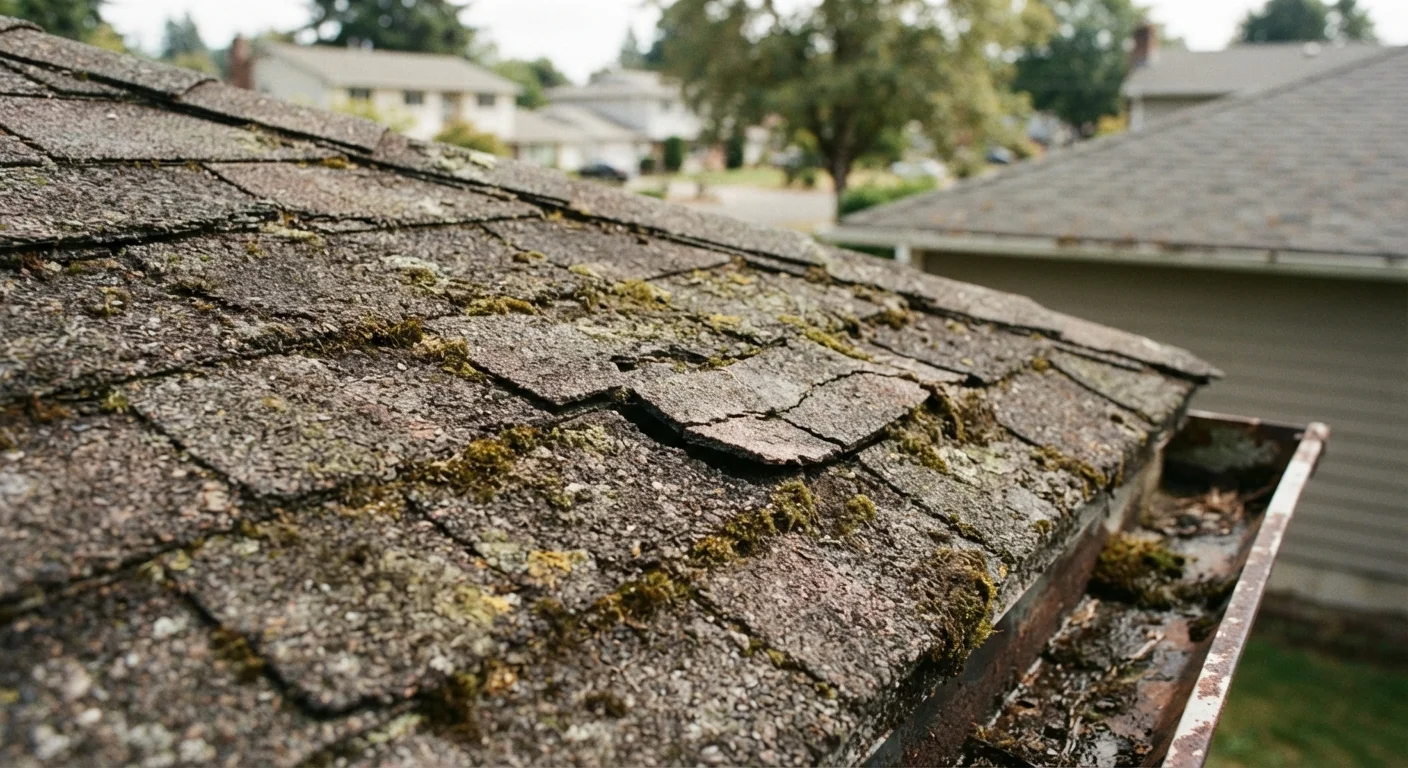
Moss or algae on the roof is just an aesthetic problem.
Fact
Moss retains moisture against shingles, which accelerates deterioration of the underlying material and can compromise the roof deck over time.
Moss root structures physically lift and separate shingle edges, allowing water to seep underneath. Over months and years this leads to wood rot in the sheathing beneath. Algae staining, while mainly cosmetic at first, often signals conditions - shade and persistent moisture - that favor moss growth. Neither should simply be left to spread. Professional treatment is safer than pressure washing, which can strip granules from asphalt shingles and reduce their protective life.
Myth
You can just nail down a few replacement shingles and the repair is done.
Fact
Surface shingle replacement may mask deeper problems in the underlayment or decking that will continue to worsen if not addressed.
Water that has been entering through damaged shingles often saturates the felt underlayment and penetrates the wood decking below. Replacing only the visible surface shingles without inspecting these layers can leave a concealed rot problem that grows quietly. A competent roofing contractor will probe the decking for soft spots and check the underlayment's integrity before closing up the repair.
Myth
Gutters are separate from the roof and don't affect it.
Fact
Clogged or damaged gutters cause water to back up under shingles and rot the fascia boards and soffit - both part of your roof system.
When gutters overflow or pull away from the fascia, standing water can wick under the first course of shingles at the eave. Over time this causes fascia rot, soffit damage, and in some cases ice dam formation in cold climates. Keeping gutters clear and properly sloped is an integral part of roof maintenance, not an unrelated chore. Moisture problems that start at the roofline can also work their way down to the foundation; basement and crawl space moisture risks covers that progression in detail.
Myth
As long as there are no interior leaks, the roof is fine.
Fact
Water can travel several feet from the entry point before appearing as a ceiling stain, and significant damage often accumulates long before any interior sign appears.
Roof decking and insulation can absorb and hold substantial moisture before it ever drips through a ceiling. By the time a water stain becomes visible indoors, mold may have already established in the attic insulation or rafter cavities. Exterior inspection - looking for missing granules, cracked flashing, and lifted shingle edges - is a more reliable early-warning system than waiting for interior evidence.
Inspections, Gutters, and When to Call a Pro
Roof health isn't just about shingles - it depends on a connected system of flashing, underlayment, decking, gutters, soffits, and ventilation. Overlooking any one part can undermine the whole. That same systems-thinking applies to other home components; similar misconceptions around HVAC upkeep are covered in what homeowners often get wrong about HVAC filters and airflow.
Don't Walk on Your Roof Without Training
Homeowner foot traffic is a leading cause of cracked and dislodged shingles. Steep-slope roofs pose a serious fall hazard. Unless you have proper safety equipment and experience, leave physical roof inspections to a licensed roofing contractor. Many professionals can assess condition from ground level and with drone or ladder-based inspection tools.
A realistic home maintenance routine accounts for roof inspections just as it does furnace filters or water heater checks. If you're building that routine from scratch, what a home maintenance schedule actually looks like is a practical starting point. New homeowners in particular often skip roofing checks in their first years - a pattern worth breaking early, as detailed in the maintenance tasks new homeowners most commonly overlook.
40%
Of roofing failures linked to poor maintenance
Industry estimates from roofing trade organizations suggest roughly 40% of premature roof failures are attributable to inadequate maintenance rather than manufacturing defects or extreme weather.
1-2x/year
Recommended professional inspection frequency
Most roofing contractors and home inspection professionals recommend formal roof inspections once or twice annually, plus after major storms.
This article is for general informational purposes only. Roofing conditions vary widely by climate, material, and installation quality. Always consult a licensed roofing contractor for assessments specific to your home, and verify local permit and code requirements before undertaking any repair work.
The content on this site is for informational purposes only and is not a substitute for professional advice. Always consult a qualified professional for guidance specific to your situation.