

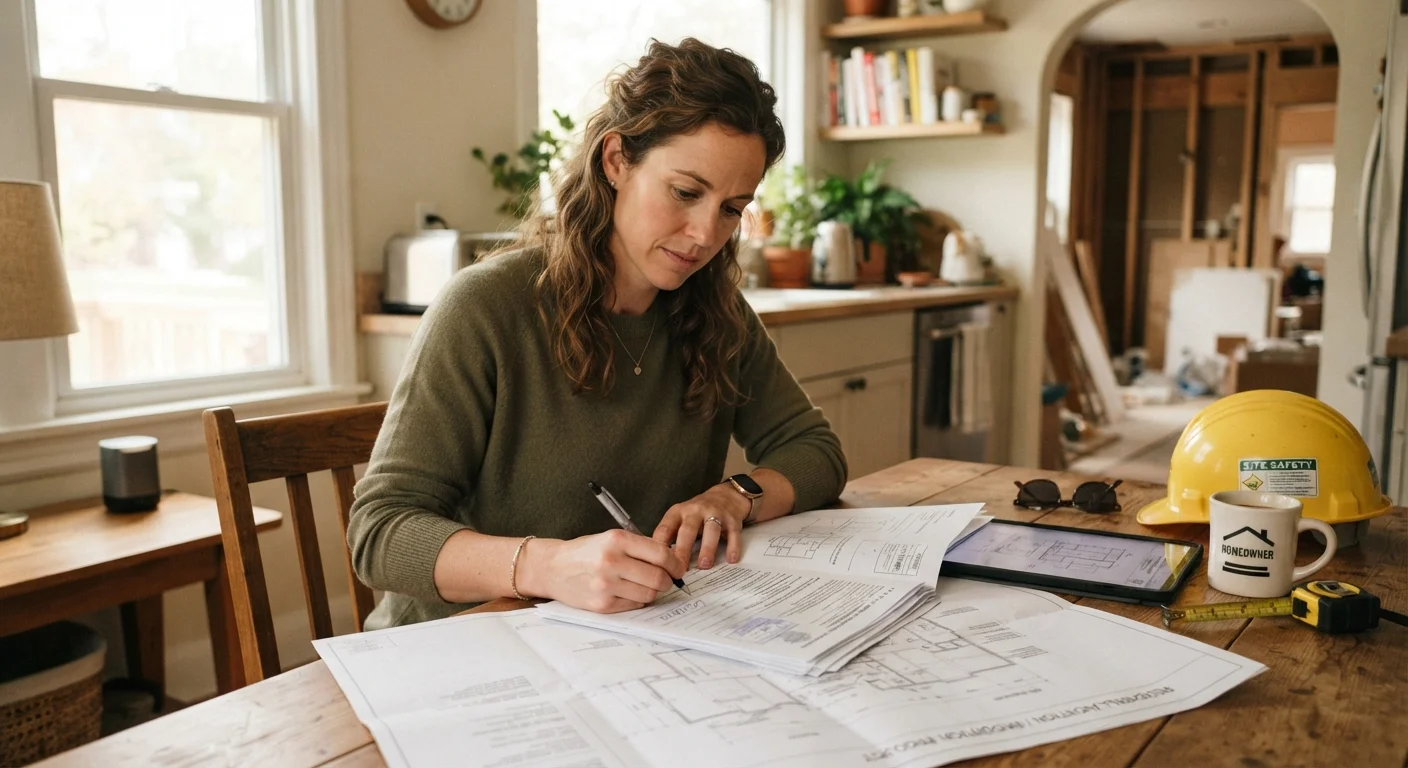
Why Building Permits Exist
Building permits are not bureaucratic red tape for its own sake. They exist because construction work - done incorrectly - poses real risks: fires from faulty wiring, structural collapses from improperly removed load-bearing walls, or health hazards from inadequate ventilation. The permit process requires that a licensed inspector reviews the work at defined checkpoints, providing an independent check on safety and code compliance.
Codes themselves are regularly updated. Most US jurisdictions adopt versions of the International Building Code (IBC) or the International Residential Code (IRC), often with local amendments. When a permit is issued, it locks in which code version applies to your project - giving you a documented record that the work met the standard in force at the time.
Permit Rules Vary Significantly by Locality
There is no single national standard for what requires a permit. A project that needs one in your city may not require one 10 miles away, and vice versa. HOA rules may impose additional restrictions on top of municipal codes. Always check with your specific local authority - not just general online guidance - before making any assumptions.
Projects That Typically Require a Permit
While exact requirements vary by jurisdiction, the following categories of work require permits in most US localities:
- Structural changes: Removing or modifying walls (especially load-bearing ones), adding rooms or square footage, building or replacing a deck, finishing a basement or attic.
- Electrical work: Adding circuits, upgrading a panel, installing new outlets or fixtures beyond simple replacements.
- Plumbing: Moving or adding pipes, replacing a water heater, installing a new fixture in a new location.
- HVAC: Installing a new furnace, central air system, or ductwork; adding a gas line.
- Roofing: Full roof replacements in many jurisdictions (though not all require it for like-for-like replacement).
- Fences and retaining walls: Typically required above a certain height.
If you're planning a larger renovation like a kitchen overhaul, permits are almost certainly in play. See our kitchen remodel planning guide for how permitting fits into project sequencing.
When in Doubt, Ask Your Building Department
A quick call or online inquiry to your local building or planning department costs nothing and can save you from expensive mistakes. Describe your project in plain terms - staff are accustomed to answering questions from homeowners. Getting a clear answer upfront is always faster than dealing with a stop-work order later.
Projects That Usually Don't Require a Permit
Cosmetic and minor maintenance work generally falls outside permit requirements. Common examples include:
- Painting interior or exterior surfaces
- Installing or replacing flooring (carpet, hardwood, tile on a slab)
- Replacing cabinets or countertops without moving plumbing
- Installing new doors or windows in existing openings (size and location unchanged)
- Minor repairs like patching drywall or replacing a faucet
That said, "usually" is not "always." Some municipalities have stricter thresholds. When you're unsure whether a project crosses into permit territory, the only reliable answer comes from your local building department - not a neighbor's experience or an online forum.
For guidance on deciding when to tackle work yourself versus bringing in a licensed pro, see our DIY vs. professional guide.
~$10,000+
Average cost to remediate unpermitted work at resale
Real estate professionals estimate that unpermitted additions or structural changes can cost homeowners thousands in remediation or price reductions during a property sale.
Varies by city
Permit fee range across US jurisdictions
Permit fees are set locally and can range from under $100 for simple projects to several hundred dollars for complex renovations; some jurisdictions base fees on total project value.
1-3 inspections
Typical inspections required per permitted project
Most permitted projects require at least one rough-in inspection (before walls close) and a final inspection; complex projects may require additional stage checks.
The Real Risks of Skipping a Required Permit
Homeowners sometimes skip permits to save time, avoid fees, or because a contractor offers to do so. This is a significant risk. Here's what can happen:
- Stop-work orders and fines
- Building inspectors can halt a project mid-construction and issue fines. You may be required to expose completed work - opening walls, for example - so inspectors can verify what's behind them.
- Insurance complications
- If unpermitted work contributes to a loss (a fire from faulty wiring, for instance), your homeowner's insurer may deny the claim on the grounds that the work was non-compliant.
- Problems at resale
- Buyers' home inspectors and real estate attorneys routinely check permit records. Unpermitted additions or alterations can kill a sale, require price reductions, or demand remediation before closing.
If you're working with a contractor, make sure your contract addresses permit responsibility explicitly. Our contractor contract questions guide covers what to clarify before signing anything.
How to Check Requirements and Get Started
The process of obtaining a permit is more straightforward than many homeowners expect:
- Contact your local building department. Most cities and counties have an online portal or permit counter. Describe your project and ask what's required. Bring or upload basic project details - scope, square footage, materials - when available.
- Submit plans if required. Structural, electrical, and plumbing work often requires a plan review before a permit is issued. For complex projects, a licensed architect or engineer may need to prepare drawings.
- Schedule inspections. Once work begins, inspections are typically required at defined stages - before walls are closed, for example - not just at final completion. Missing an inspection stage may require reopening completed work.
- Keep your permit on site. Most jurisdictions require the permit to be posted visibly at the job site during construction.
If you're hiring a contractor, verify that they are properly licensed and insured before any work begins - and confirm who will pull the permit. Our contractor verification checklist walks through exactly what to confirm.
This article provides general educational information about building permits and is not legal or code compliance advice. Requirements vary significantly by jurisdiction. Always verify current requirements with your local building department before starting any home improvement project.
Frequently Asked Questions
Either the homeowner or the licensed contractor can pull the permit, depending on local rules. In practice, most contractors handle this as part of their service. However, the homeowner remains legally responsible for ensuring permitted work receives the necessary inspections and approvals.
Unpermitted work can lead to fines, a stop-work order, or a requirement to tear out completed work for inspection. It can also void your homeowner's insurance for related claims and become a major obstacle when you sell the property.
Usually, yes - especially for decks attached to the house or above a certain height. Fences may require permits depending on height, location relative to property lines, and local zoning rules. Check with your local building department before starting.
Timelines vary widely by jurisdiction and project complexity. Simple permits may be issued over the counter in a day, while larger projects requiring plan review can take several weeks. Factor permit processing time into your project schedule.
Many jurisdictions allow homeowners to pull owner-builder permits for work on their primary residence. However, some trades - particularly electrical and gas work - may require a licensed professional regardless. Confirm with your local building department.
Permit fees vary but are generally modest relative to total project cost - often ranging from a few dozen to a few hundred dollars. The bigger cost factor is time: scheduling inspections can extend a project's timeline by days or weeks.
The content on this site is for informational purposes only and is not a substitute for professional advice. Always consult a qualified professional for guidance specific to your situation.