

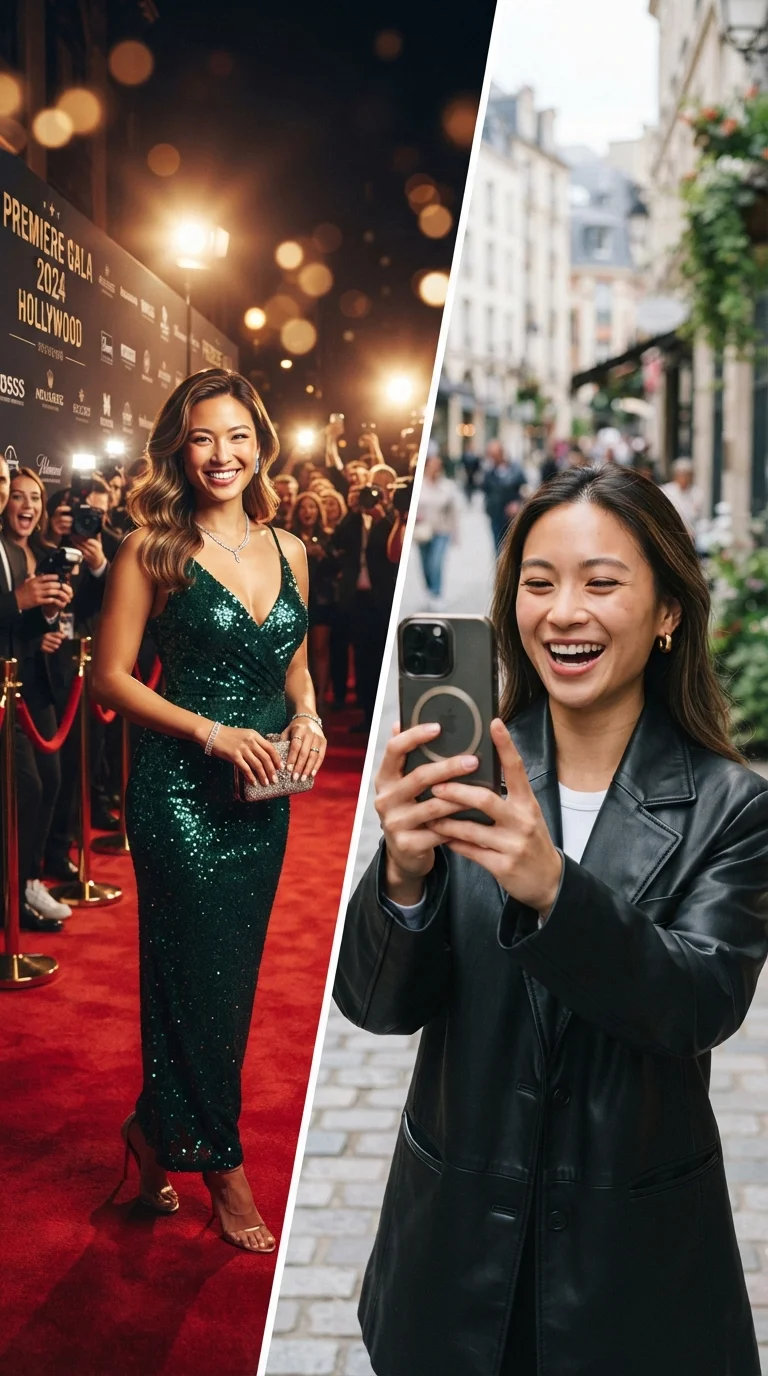
The Platform Problem: One Person, Many Audiences
A celebrity stepping onto a late-night talk show set operates in an entirely different environment than the same person posting a candid Instagram story at midnight. The stakes, the audience, the expected register - all of it shifts. Yet both moments feed into a single public identity that fans, media, and critics read as one cohesive story.
This is the central challenge of modern celebrity image management: appearing authentic everywhere while being strategically calibrated for each specific context. As the lines between fame, notoriety, and influence have blurred in the social media era, the number of platforms demanding attention - and distinct approaches - has multiplied dramatically.
Understanding how public figures navigate this landscape reveals as much about media culture as it does about individual celebrities.
Anchor every platform persona to a consistent core identity.
Audiences forgive tonal shifts between platforms but are quick to detect - and punish - what feels like outright contradiction. A grounded, consistent set of values (humor, advocacy, relatability) gives fans a through-line to hold onto regardless of where they encounter the celebrity. Without that anchor, even small inconsistencies read as inauthenticity.
Tailor format and tone deliberately to each platform's culture.
Instagram rewards visual curation; TikTok rewards spontaneity and humor; podcast appearances reward depth and vulnerability; red-carpet moments reward polish. Applying the wrong register in the wrong setting - being overly formal on TikTok, or too casual in a press junket - creates jarring disconnects that get clipped and mocked.
Control the narrative by getting ahead of the story, not chasing it.
When a difficult moment emerges - a controversy, a personal disclosure, a professional setback - celebrities who address it on their own terms tend to fare better than those who stay silent until forced to respond. The first version of a story that reaches wide audiences is the hardest to correct later.
Use selective vulnerability as a strategic, not just emotional, tool.
Modern audiences have grown skeptical of relentless polish. Sharing carefully chosen personal moments - a family milestone, a creative struggle, an honest reflection - builds the sense of access that sustains long-term audience loyalty. The key word is 'selective': oversharing erodes mystique, while complete opacity reads as corporate and cold.
Build a team that spans traditional PR and digital-native strategy.
Managing a public persona across legacy media and social platforms requires genuinely different skill sets. Publicists who understand print and broadcast cycles operate by different rhythms than social media strategists who monitor real-time trends. Celebrities who treat these as separate but coordinated functions tend to avoid the gaps where crises slip through.
Best Practices: How Image Management Actually Works
Behind the seemingly effortless persona of any major public figure is a set of deliberate, recurring practices - often shaped by publicists, managers, and the celebrities themselves working in close collaboration.
“Your brand is what people say about you when you're not in the room. In the social media age, you're never really out of the room.”
— Jeff Bezos, Entrepreneur and public figure, widely cited in brand and reputation discussions
These aren't rigid rules so much as flexible principles applied differently depending on the moment. A single viral moment can upend even the most disciplined strategy, which is exactly why the most resilient celebrities build their persona management around adaptability rather than control.
Fan Communities and the Limits of Control
Even the most media-savvy celebrity can't fully author their own narrative. Fan communities actively shape - and sometimes distort - celebrity narratives, amplifying some moments while burying others. Fanbases can defend a star through controversy or, just as quickly, turn on them when behavior conflicts with the persona they've invested in emotionally.
This dynamic is part of why so many celebrities now engage directly with fans on platforms like X (formerly Twitter) and TikTok - not just to broadcast, but to participate in ongoing, real-time conversation about who they are. That sense of access feeds the parasocial bonds audiences form, making fans feel personally connected even when the relationship is entirely one-directional.
72%
Adults who follow at least one celebrity on social media
According to Pew Research Center data on social media behavior, the majority of US adults engage with celebrity content through at least one platform.
3-5x
Engagement boost from personal disclosure posts
Social media analytics studies consistently find that authentic or personal content generates significantly higher engagement than promotional or polished posts.
Once a story gains traction, it enters a much larger machine. The media lifecycle of a celebrity story can carry a moment from a single interview clip all the way into long-term cultural memory - which is precisely why how a celebrity responds to any given spotlight matters as much as what they say.
The content on this site is for informational purposes only and is not a substitute for professional advice. Always consult a qualified professional for guidance specific to your situation.