Our Verdict
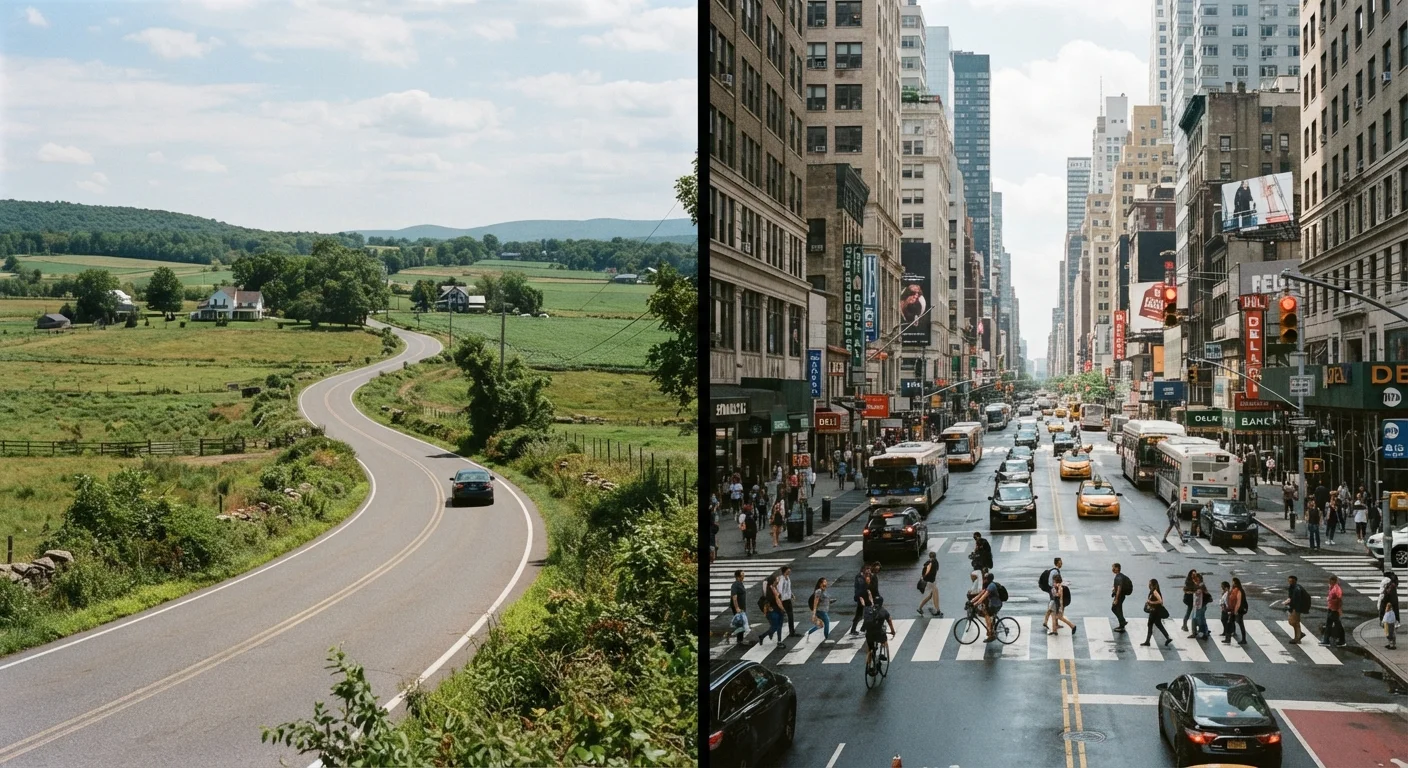
Neither rural nor urban driving is inherently more dangerous in every respect-each environment presents its own distinct risk profile. Rural roads are more deadly on a per-mile basis, while urban streets generate more frequent lower-speed collisions. The safest drivers are those who consciously shift their habits when the environment changes.
| Best for | Recommended |
|---|---|
| Drivers primarily navigating city streets | Urban-focused habits: short following distances, high pedestrian awareness, patience at intersections |
| Drivers logging miles on rural or country roads | Rural-focused habits: higher alertness for wildlife, fatigue management, and speed discipline on curves |
| Drivers who regularly switch between environments | Deliberate context-switching: consciously reset expectations and speed habits each time the road type changes |
The Core Difference: Frequency vs. Severity
Urban streets and rural roads do not simply look different-they create fundamentally different risk profiles for drivers. City driving tends to produce more frequent collisions, while rural driving tends to produce more fatal ones. Understanding why helps drivers approach each environment with the right mindset.
According to the National Highway Traffic Safety Administration (NHTSA), rural roads consistently account for a disproportionate share of traffic fatalities relative to the miles driven on them. Higher speeds, fewer traffic controls, and longer emergency response times all contribute to that gap. Urban crashes, by contrast, are more likely to occur at lower speeds-but the density of pedestrians, cyclists, and intersecting traffic means the opportunity for a collision arises far more often.
This isn't a reason to fear either environment. It's a reason to understand what each one demands. Adopting a defensive driving mindset is useful in both settings, but the specific habits it calls for look quite different depending on where you are.
Urban Driving: Managing Density and Unpredictability
City streets are defined by density. Every block can bring a new signal, a pedestrian stepping off a curb, a delivery vehicle double-parked in the lane, or a cyclist appearing in a blind spot. The primary cognitive demand is divided attention-tracking many simultaneous hazards at slow-to-moderate speeds.
~49%
Share of fatal crashes on rural roads
NHTSA data indicates rural roads account for roughly half of all US traffic fatalities, despite carrying far less than half of total vehicle miles traveled.
40%
Urban crash share at intersections
Federal Highway Administration research indicates a large proportion of urban crashes occur at intersections, reflecting the density and complexity of city traffic.
Key urban driving challenges include:
- Intersections: The majority of urban crashes occur at or near intersections. Scanning cross-traffic before entering-even on a green light-is a habit that reduces risk significantly.
- Pedestrians and cyclists: They can appear quickly and are among the most vulnerable road users. Urban drivers should expect their presence, especially near schools, transit stops, and commercial areas.
- Stop-and-go dynamics: Frequent braking creates rear-end risk. Maintaining adequate following distance-even when surrounding drivers do not-provides a critical reaction buffer.
- Navigation distraction: City driving often involves unfamiliar routes and last-minute lane changes. Pre-programming navigation before departure reduces the temptation to look away from the road.
Scan Farther Ahead in Both Environments
In cities, scanning one to two blocks ahead-rather than fixating on the car directly in front-gives you earlier warning of signal changes, merging vehicles, and pedestrians. On rural roads, scanning well beyond the next curve or crest helps you spot animals, oncoming vehicles, and road hazards with enough time to react safely.
Rural Driving: Managing Speed, Isolation, and Surprise
Rural roads often feel low-stakes because they are quiet and open. That perceived simplicity is one of their greatest hazards. When traffic is sparse and roads are straight, drivers tend to relax their vigilance-just as the environment introduces risks that require more of it, not less.
Key rural driving challenges include:
- Speed and stopping distance: Higher posted limits mean longer distances are required to stop. A curve that appears gentle can tighten unexpectedly, especially at night or in poor weather. See our guide to driving in challenging weather for how conditions amplify this risk.
- Wildlife crossings: Animals-particularly deer-cross rural roads with no warning. Dawn and dusk are peak risk windows. Slowing down when you see one animal is wise; a second often follows.
- Limited sightlines on curves and hills: A vehicle or obstacle on the other side of a crest is invisible until you're almost upon it. Staying well within your lane and reducing speed before crests is essential.
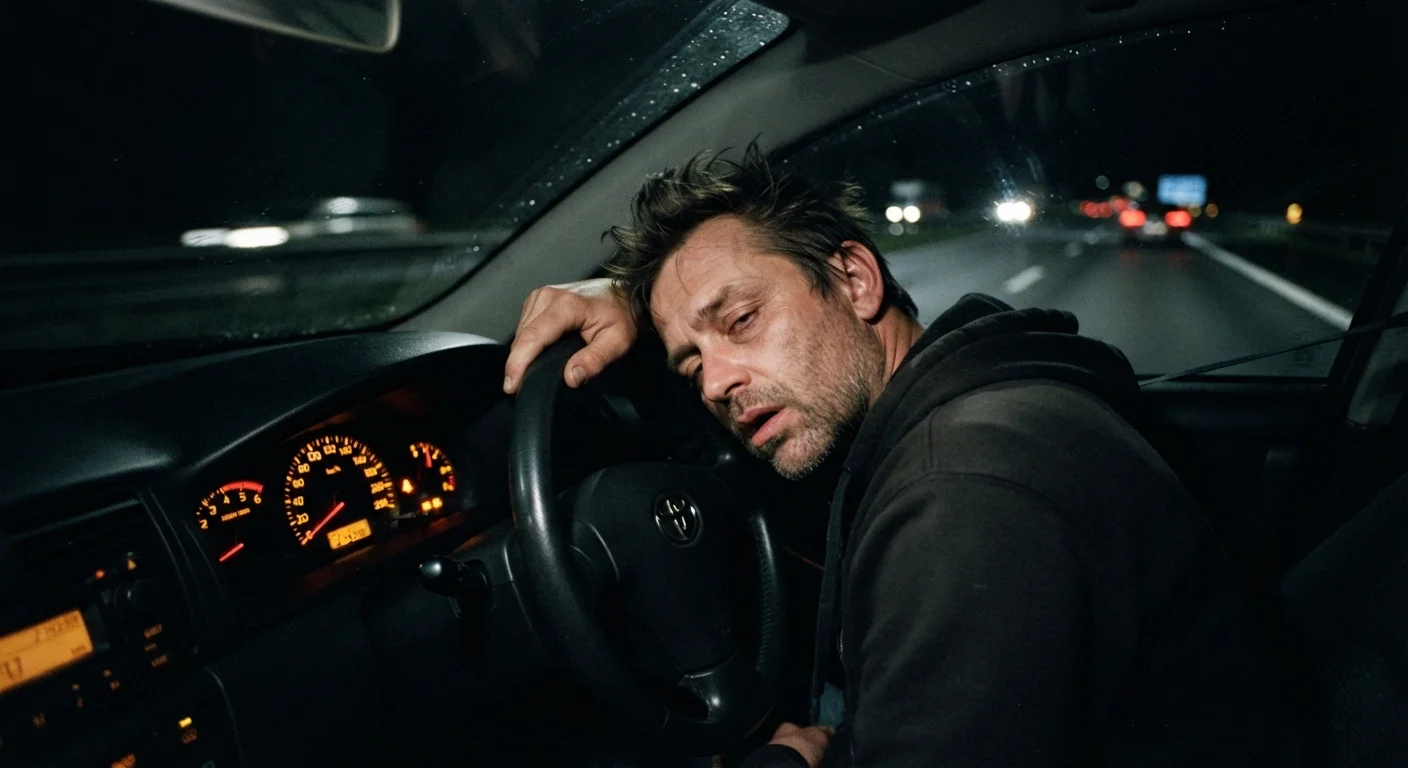
- Driver fatigue: Long stretches of monotonous road are strongly associated with drowsy driving. Night rural driving carries additional fatigue risk and reduced visibility.
- Emergency response delays: In remote areas, help can take significantly longer to arrive after a crash. This makes avoiding collisions-rather than relying on survivability-even more important.
| Factor | Urban Streets | Rural Roads | |
|---|---|---|---|
| Primary hazard type | Pedestrians, cyclists, intersections | Wildlife, curves, driver fatigue | |
| Typical crash severity | Lower speed, more frequent | Higher speed, more fatal | |
| Speed management challenge | Constant stop-and-go, lane changes | Monotony leads to speed creep | |
| Sightline conditions | Obstructed by buildings, vehicles | Obstructed by hills, curves, vegetation | |
| Emergency response time | Generally faster | Significantly longer in remote areas | |
| Key driver skill needed | Divided attention, patience | Speed discipline, fatigue awareness |
Switching Environments: The Adjustment Risk
One underappreciated hazard is the transition itself. A driver moving from a busy highway interchange into a rural county road-or stepping out of a quiet rural commute into downtown traffic-faces a mental recalibration that takes time. Speed perception, expected hazard types, and appropriate following distances all need to reset.
Research on speed adaptation consistently shows that drivers exiting high-speed roads tend to travel faster than they perceive on slower roads. This means a rural driver entering an urban area may unconsciously carry highway habits into a pedestrian-dense environment. The reverse is also true: a city commuter on an open rural road may underestimate safe speeds for curves and hills.
Building a deliberate mental checkpoint-a conscious decision to reassess your speed, following distance, and hazard expectations when the road type changes-is a practical countermeasure. This kind of context-switching is also a core component of staying safe across different driving stages and situations.
This article is for general informational and educational purposes only. Always comply with posted speed limits, local traffic laws, and official road safety guidance for your jurisdiction.
The content on this site is for informational purposes only and is not a substitute for professional advice. Always consult a qualified professional for guidance specific to your situation.