

Summary
22 items · 45-90 minutes
Why Seasonal Transitions Are Hard on Your Car
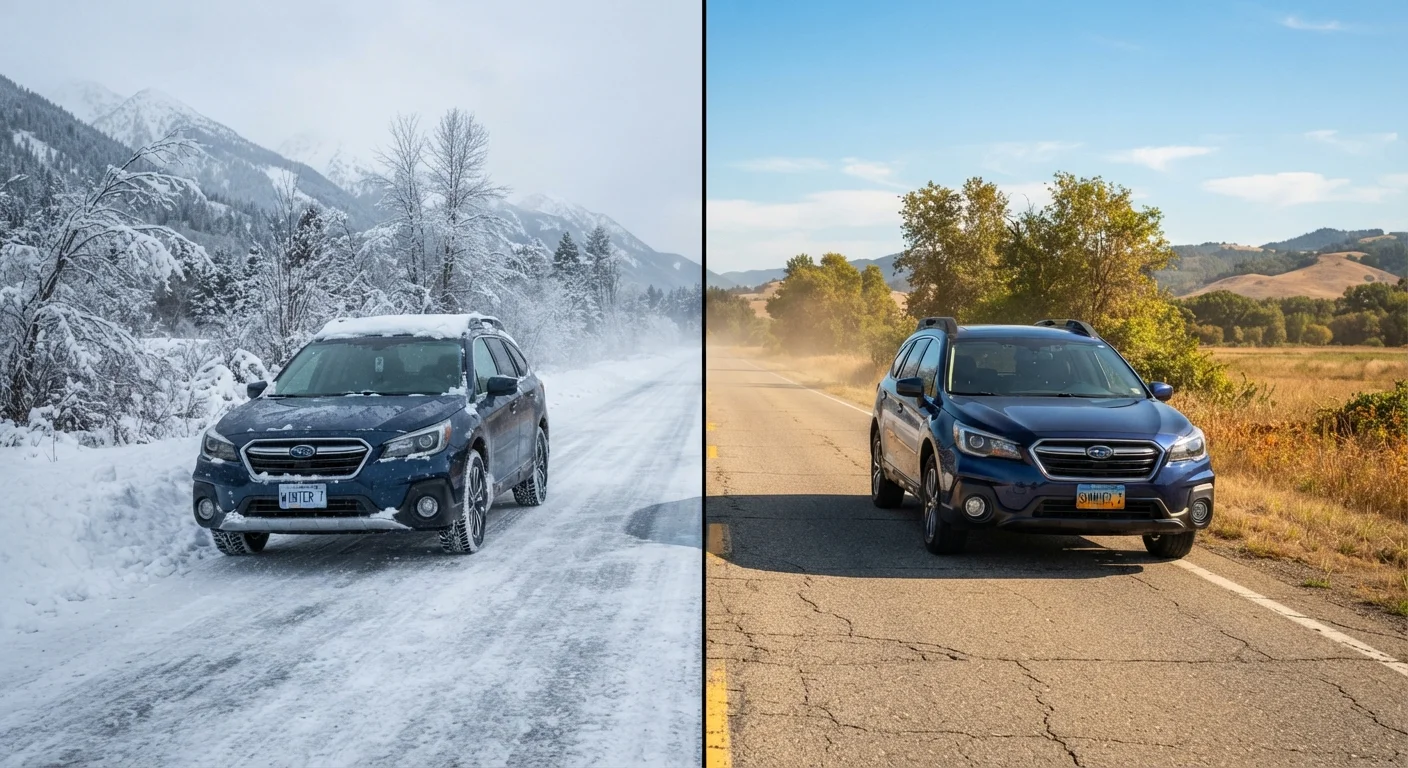
Your vehicle is engineered to operate within a range of temperatures, but the swings between a frozen January morning and a scorching August afternoon push fluids, rubber, metal, and electronics well outside their comfort zones. Cold thickens oil and weakens batteries; heat degrades belts, stresses cooling systems, and accelerates tire wear. Catching these issues before the season arrives - not after a breakdown - is what separates reactive repairs from smart ownership.
This checklist is divided into two seasonal passes: one before winter sets in and one before summer heat peaks. Work through whichever applies to your region first. Some items overlap both seasons and are worth checking twice a year. For a broader year-round perspective, the Annual Car Ownership Checklist for US Drivers is a helpful companion resource.
Battery tester or multimeter
Measures battery voltage and cold cranking amp output before winter.
Tire pressure gauge
Provides accurate PSI readings when inflating tires to manufacturer spec each season.
Coolant test strips or hydrometer
Checks the freeze-point and boil-point protection level of your engine coolant.
Tread depth gauge
Gives a precise measurement of remaining tire tread depth before a seasonal change.
Flashlight or inspection light
Illuminates engine bay components - belts, hoses, and fluid levels - during inspection.
Owner's manual
Provides manufacturer-specific fluid specs, service intervals, and tire pressure ratings for your vehicle.
Pre-Winter Vehicle Checklist
Winter preparation is about preventing failure in conditions where a breakdown is not just inconvenient - it can be genuinely dangerous. Focus on the systems cold weather hits hardest: the battery, tires, fluids, and visibility gear. If your area sees significant snowfall or ice, also prepare for traction and emergency situations. Pair your mechanical prep with good driving habits - see Driving in Rain, Snow, and Fog for technique guidance.
Winter: Battery & Electrical
Winter: Tires & Traction
Winter: Fluids & Cooling
Winter: Visibility & Safety Gear
Summer: Cooling System
Summer: Tires & Brakes
Summer: Belts, AC & Electrical
Don't Skip the Battery Test
Cold weather is the most common trigger for a battery that was already weakened but hadn't yet failed. A battery that starts your car fine on a 60°F autumn morning may refuse to crank on a 10°F January day. Many automotive parts retailers test batteries at no charge - take advantage of this before the cold arrives, not after you're stranded.
Pre-Summer Vehicle Checklist
Summer heat is especially punishing on cooling systems, tires, and rubber components. An overheating engine can cause severe and expensive damage quickly. If your temperature gauge has been behaving oddly, check the early warning signs covered in Signs Your Cooling System Is Struggling before summer fully arrives.
Never Open a Hot Radiator Cap
Checking coolant on a hot engine is genuinely dangerous. Pressurized coolant can spray and cause serious burns. Always wait at least 30 minutes after the engine has been running before removing the radiator cap or checking the overflow reservoir. If your temperature gauge is already reading high, pull over safely, turn off the engine, and do not attempt to open the cooling system.
A well-maintained vehicle also makes for a safer road trip season. Before any long drive, run through the Pre-Trip Safety Check to catch anything this seasonal checklist may not cover. For the full long-term maintenance picture, the Car Maintenance From Purchase to 100,000 Miles roadmap puts seasonal tasks in broader context.
The content on this site is for informational purposes only and is not a substitute for professional advice. Always consult a qualified professional for guidance specific to your situation.