

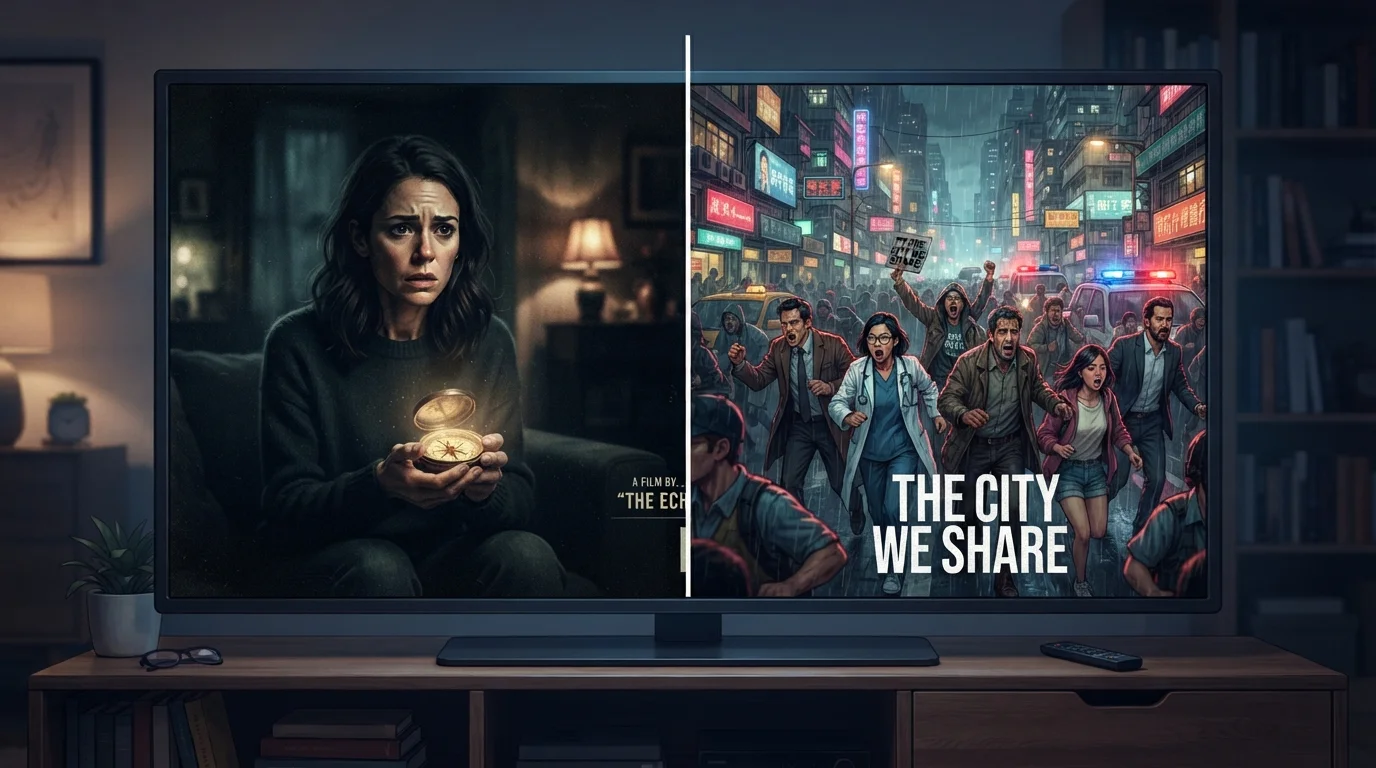
Option A
Limited Series
The contained, cinematic storytelling experience.
Best for: Stories with a defined beginning, middle, and end that benefit from a focused, film-like arc.
Option B
Ongoing Drama
The expansive, long-haul character journey.
Best for: Complex worlds and character webs that reward deep investment across multiple seasons.
The Core Difference: A Story That Ends vs. a Story That Grows
At its most basic level, the distinction is structural. A limited series - sometimes called a miniseries - is designed from the start with a fixed episode count and a defined ending. Writers know where they're going before the cameras roll. An ongoing drama, by contrast, is built to evolve: renewed season by season, expanding its world in response to audience reception, network decisions, and the creative energy still left in the room.
That structural difference cascades into nearly every creative decision a show makes. In a limited series, every scene carries weight because there are no throwaway episodes - no room to tread water. In an ongoing drama, the writers' room has the latitude to explore tangents, introduce new characters, and let subplots breathe across a dozen or more episodes. How those rooms actually function reveals just how profoundly format shapes the writing process from day one.
What Each Format Does Best
Limited series excel at stories rooted in a single, propulsive event or question - a crime, a scandal, a contained historical moment. The format borrows energy from cinema: lean, purposeful, with every episode building toward an inevitable conclusion. Creators can take creative risks knowing the story won't be stretched thin by renewal pressure.
Ongoing dramas, on the other hand, are character incubators. They allow performers and writers to discover dimensions of a character that no one anticipated in a pilot room. A secondary character can slowly become the emotional center of a show. Mythology can deepen. Relationships can fracture, heal, and fracture again in ways that feel genuinely earned because the audience has logged real time with these people. That sustained investment is precisely what turns certain shows into cultural phenomena - something explored at length in our look at when a prestige drama becomes a national conversation.
| Criterion | Limited Series | Ongoing Drama |
|---|---|---|
| Episode count | Fixed, typically 4-10 episodes | Open-ended, renewed seasonally |
| Narrative arc | Complete, planned from the start | Evolving, shaped by renewals |
| Character depth | Concentrated, purposeful | Expansive, developed over years |
| Creative risk | Higher - no course correction possible | Adjustable season to season |
| Audience commitment | Short-term, contained viewing event | Long-term loyalty and investment |
| Cultural longevity | Intense but often brief | Sustained conversation over years |
| Cancellation risk | None - story completes as designed | Always present; may end unresolved |
How Streaming Changed the Rules
The rise of streaming platforms introduced a new wrinkle: the limited series that isn't quite finished with itself. Several shows marketed as limited series have returned for follow-up seasons, while some ongoing dramas have been cancelled with unresolved storylines. Platforms now greenlight anthology formats - same title, entirely new story each season - that straddle both categories.
This flexibility has energized the medium. Writers pitch limited series knowing the format gives them creative authority. Showrunners of ongoing dramas negotiate for defined episode orders to protect pacing. The result is a television landscape where format is a genuine artistic conversation, not just a network scheduling decision. For viewers, understanding the format before you start watching shapes your expectations - and your experience. Our deeper dive into what keeps viewers glued episode after episode connects these structural choices directly to how audiences actually feel watching them.
The Anthology Exception
Anthology series occupy a fascinating middle ground - shows like American Horror Story or True Detective carry the same title across seasons but tell entirely self-contained stories each time. They offer the creative closure of a limited series while maintaining the brand continuity of an ongoing drama. It's a format that has grown considerably in prestige television over the past decade.
Format also intersects with genre in increasingly creative ways - genre crossovers in modern TV show how both limited and ongoing formats are being used to subvert traditional storytelling categories altogether.
The content on this site is for informational purposes only and is not a substitute for professional advice. Always consult a qualified professional for guidance specific to your situation.