

Reading the Room Before Anyone Speaks
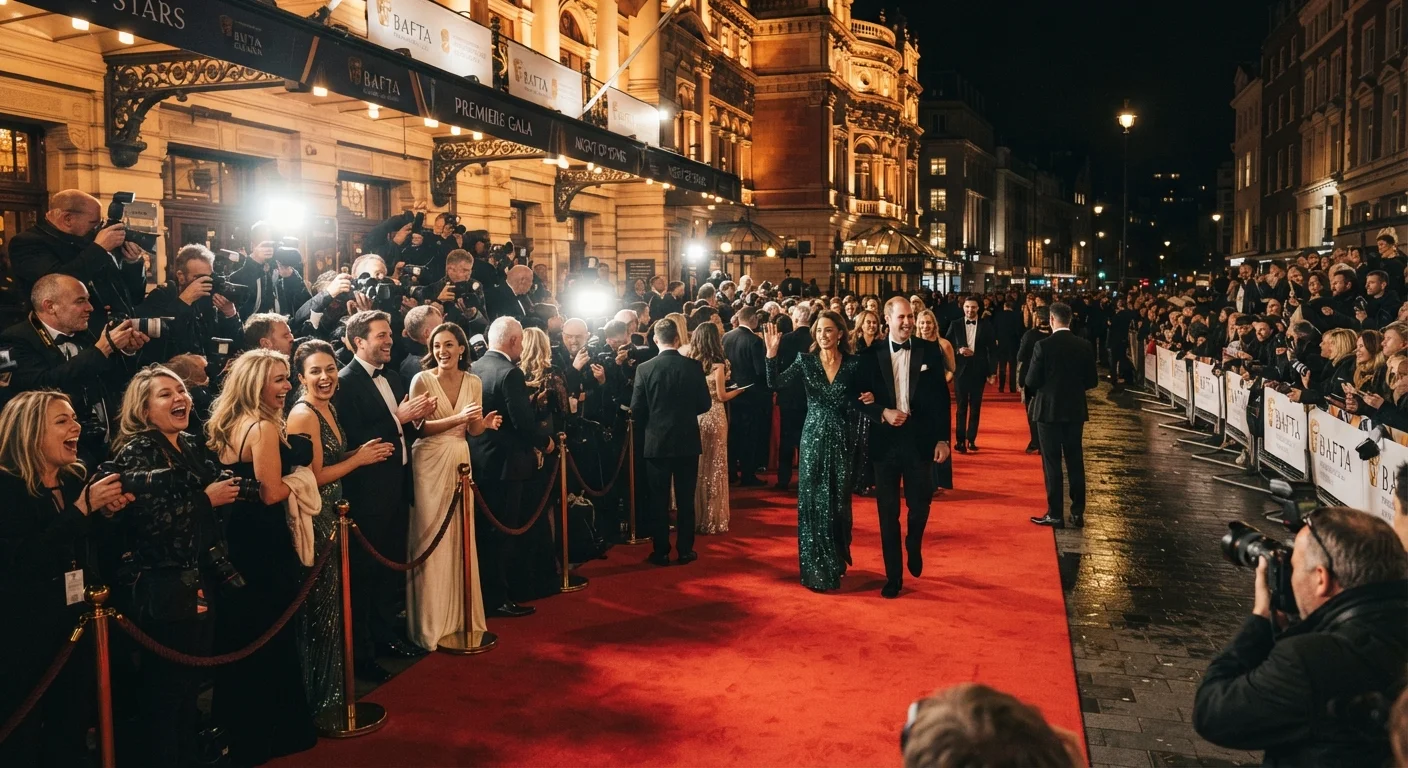
Long before an acceptance speech is delivered, the red carpet has already told a story. The sequence of arrivals, the configuration of companions, the deliberate pauses for photographers - all of it is choreographed to communicate something specific to an industry audience that knows exactly how to decode it.
Think of it as a visual press release. A performer arriving solo at a moment of professional transition signals independence and reinvention. A director walking the carpet with their entire cast communicates unity and confidence heading into voting season. An A-lister who notably skips a ceremony they've attended for a decade? That absence becomes the story itself.
Understanding this layer of red carpet culture matters because it connects directly to how entertainment news gets generated and interpreted. As we explore in the architecture of celebrity news, what appears to be organic buzz is usually the product of carefully timed image decisions.
~120M
Viewers reached by major US awards telecasts
Major awards ceremonies like the Oscars and Grammys have historically drawn combined global audiences in the tens of millions, making the red carpet one of entertainment's highest-visibility platforms.
3-6 months
Typical lead time for major red carpet looks
According to fashion industry reporting, couture red carpet looks for top-tier events are often commissioned and fitted months before the ceremony, reflecting the strategic planning involved.
~30 minutes
Pre-show red carpet coverage air time (major networks)
Broadcast networks routinely dedicate a full pre-show block exclusively to red carpet arrivals, cementing its status as a standalone media event rather than mere preamble.
Fashion as Statement, Not Just Style
The clothes matter - but rarely for the reasons casual viewers assume. Red carpet fashion is one of the few moments where a celebrity can deliver a message to millions of people without saying a word. Color coordination across a group of attendees, silhouette choices that reference a political era, or a designer's nationality worn during a geopolitical flashpoint - none of these are accidental.
The most discussed examples tend to be collective actions. When a large contingent of industry figures aligned on a single visual symbol, it transformed a fashion choice into a cultural event that news outlets were compelled to explain and amplify. Those moments live beyond the carpet itself; they become reference points in broader conversations about what award shows represent, a dynamic explored further in how award shows became laboratories for cultural statements.
How to Watch a Red Carpet More Critically
When watching pre-show coverage, look beyond the outfits: note who arrives together, who poses alone, and which expected names are missing entirely. Cross-reference with recent entertainment news to see if any appearance patterns line up with known industry dynamics. You'll quickly start reading the event as the structured communication it actually is.
The Social Architecture of Arrivals and Seating
Entertainment insiders often say you learn more about Hollywood's power dynamics from a seating chart than from any trade publication. Who is positioned in the front row versus the balcony, who walks in with whom, which feuding parties are placed in adjacent seats to force a visible moment of détente - these decisions involve networks, studios, publicists, and sometimes the celebrities themselves in active negotiation.
The same logic applies to premiere events. A film's cast arriving as a unified group versus trickling in separately can telegraph everything from on-set harmony to quiet contract disputes. Studios manage these appearances because the optics feed directly into the press cycle surrounding the film's release or awards campaign.
It's worth noting that entertainment journalists are trained to read this subtext. The specific language entertainment media uses to describe these moments - a star "notably absent," two co-stars "keeping their distance" - is a vocabulary built precisely to translate red carpet social architecture for general audiences.
Why Any of This Matters Beyond the Glamour
Red carpet culture is ultimately a window into how celebrity image is constructed and how entertainment industry power is publicly displayed. It's a live-action visibility competition with real professional stakes: more coverage during awards season correlates with broader name recognition among the voting bodies that determine careers.
For audiences, developing literacy in red carpet signals makes the surrounding media coverage far more legible. When you understand that a seating arrangement is negotiated, that a dress was chosen three months in advance with a specific cultural argument in mind, or that a skip is a statement - the entertainment news cycle becomes something you can analyze rather than just absorb.
The red carpet feeds the larger ecosystem of prestige storytelling in American culture, the same ecosystem that turns a single television drama into a national cultural conversation. Fashion gets the headlines, but what's really being negotiated is power, narrative, and cultural relevance - in real time, under studio lights.
“The red carpet is a performance of identity. What you wear, who you're with, and where you stand all communicate to an industry audience that is actively reading every signal.”
— Anne Helen Petersen, Cultural critic and author on celebrity media
Frequently Asked Questions
Skipping a high-profile event can signal a deliberate statement - distancing from a controversy, protesting an institution, or managing public perception during a difficult news cycle. Sometimes it reflects genuine scheduling conflicts, but publicists often time absences strategically to control narrative.
Seating at televised award ceremonies is not random - it's negotiated by networks, studios, and publicists. Who sits next to whom can signal an alliance, an upcoming collaboration, or an effort to soften a public feud. Observers in the industry read these arrangements closely.
Yes, intentionally so. Coordinated color choices - like the all-black looks at the 2018 Golden Globes in solidarity with the Time's Up movement - have been among the most visible examples of fashion used as collective political statement on the red carpet.
Styling decisions typically involve a celebrity's personal stylist, their publicist, and often the fashion house itself. For major events, looks are negotiated months in advance, with brands sometimes paying for placement or exclusivity. It is a commercial and image-management transaction as much as a creative one.
Early awards season events function as visibility campaigns. Strong red carpet appearances generate press coverage, keep a performer's name circulating among voters, and reinforce a particular image - whether prestigious, approachable, or daring - that studios want associated with their contenders.
The content on this site is for informational purposes only and is not a substitute for professional advice. Always consult a qualified professional for guidance specific to your situation.