What Triggers Road Rage
Road rage rarely appears out of nowhere. It typically builds from a combination of situational stressors and the driver's underlying emotional state before they even turn the key. Understanding the triggers is the first step toward managing them.
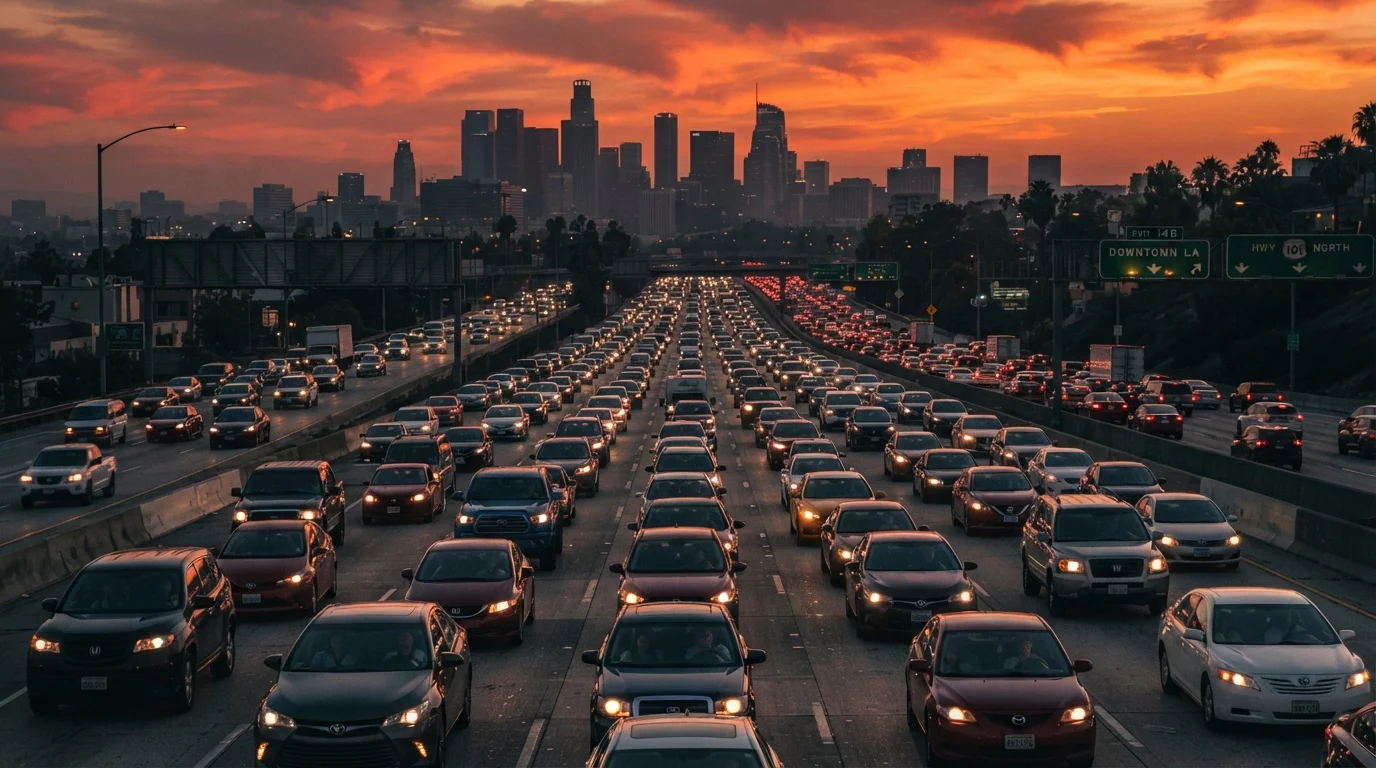
Traffic congestion is the most commonly cited trigger. When drivers feel trapped, progress is slow, and time pressure is high, frustration accumulates rapidly. A minor incident - someone cutting in line or braking suddenly - can tip a stressed driver over the edge. Tight commute schedules amplify everything: a driver who is already late experiences the same delay very differently than one who has nowhere to be.
Perceived disrespect plays a major psychological role. Many road rage episodes begin when one driver believes another has acted rudely or unfairly - a sudden lane change, failure to signal, or being cut off at a merge. Even if the other driver made an honest mistake, the offended driver may interpret it as intentional aggression and respond in kind. This misattribution is at the heart of escalation.
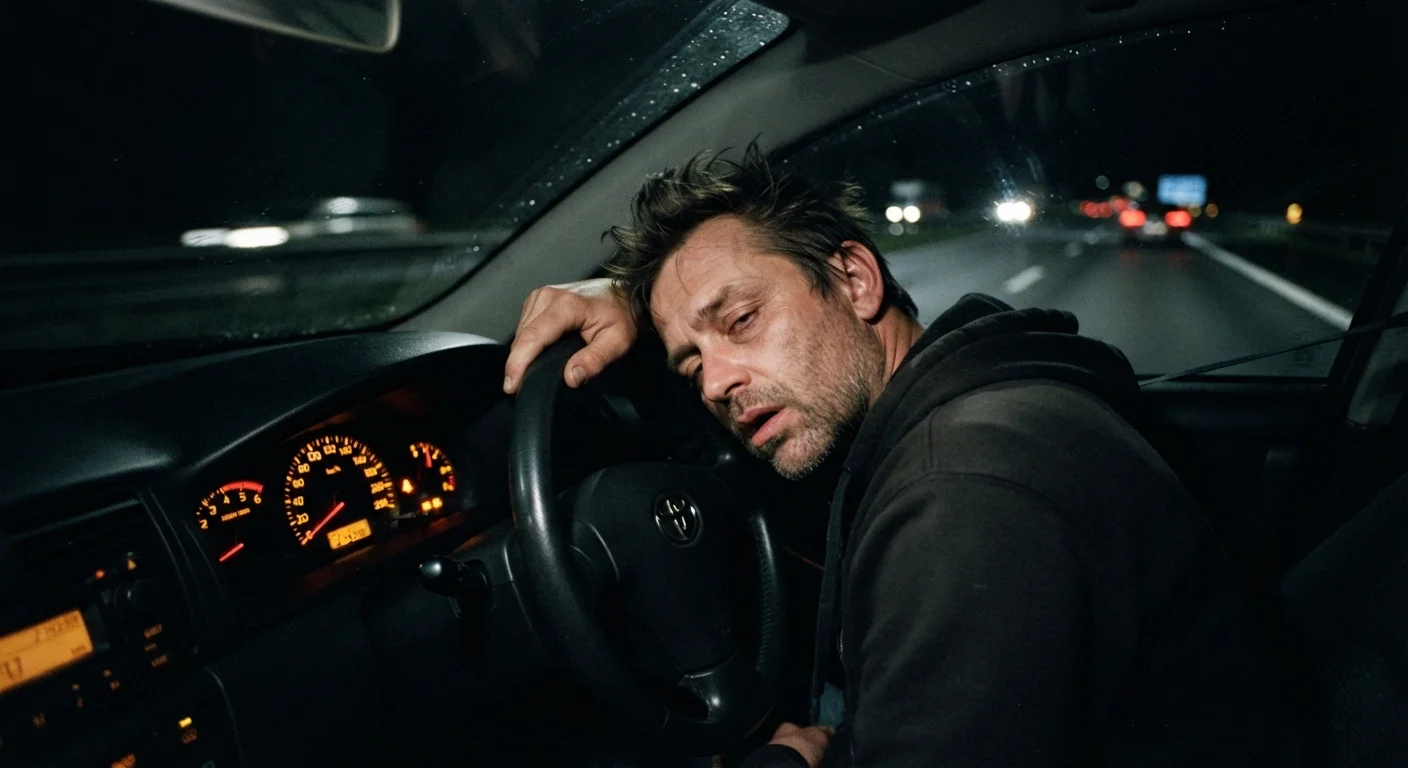
Other common triggers include tailgating, excessive honking, high-beam headlights, slow driving in the passing lane, and aggressive parking behavior. Fatigue is a significant amplifier - a driver who is sleep-deprived has reduced emotional regulation, making them far more reactive. You can read more about how impaired alertness affects decision-making in our piece on drowsy driving.
Road Rage Is Not Just a 'Hot-Head' Problem
Research suggests that road rage is not limited to drivers with generally aggressive personalities. Situational factors - fatigue, life stress, unfamiliar routes, and even physical discomfort like heat - can push otherwise calm drivers into reactive states. Recognizing that you are not immune is part of staying vigilant.
The Real Cost: Legal, Financial, and Physical
Road rage is not a victimless frustration. Its consequences extend well beyond hurt feelings, reaching into legal records, hospital bills, and insurance files.
80%
Drivers who report experiencing road rage
According to AAA Foundation for Traffic Safety research, approximately 8 in 10 U.S. drivers reported expressing significant anger, aggression, or road rage at least once in the prior year.
~30
Deaths attributed to road rage annually (U.S.)
The Everytown for Gun Safety organization and traffic safety researchers have documented dozens of road rage-related fatalities each year in the United States, many involving firearms.
37%
Road rage incidents involving a firearm
Everytown for Gun Safety research has indicated that firearms were involved in more than a third of road rage incidents that resulted in injury or death.
Legally, road rage behavior can be prosecuted under a range of charges depending on what occurred. Aggressive tailgating or brake-checking may result in reckless driving citations. If a driver exits their vehicle and threatens or strikes another person, assault charges can follow. In extreme cases involving intentional vehicle contact, charges can escalate to assault with a deadly weapon. Firearms are involved in a notable percentage of serious road rage incidents in the U.S., elevating potential charges to aggravated assault or worse.
Financially, the fallout accumulates quickly. Criminal fines, attorney fees, court costs, and increased insurance premiums can collectively amount to thousands of dollars - even for incidents that stop short of physical injury. A reckless driving conviction often triggers a premium increase, and serious charges can make a driver uninsurable through standard carriers.
Physically, the risks are obvious but worth stating plainly: road rage confrontations result in thousands of injuries and dozens of deaths each year in the United States. Escalating a situation with an unknown driver is inherently unpredictable. There is no reliable way to assess the other person's state of mind or what they may be carrying.
How to Stay Calm - and Stay Safe
Managing road rage is mostly about managing yourself. The other driver's behavior is outside your control; your response is not.
Give Yourself a Buffer Before You Drive
One of the most effective road rage prevention strategies is leaving earlier than you need to. Time pressure is a major emotional accelerant - when you're not running late, minor traffic frustrations are far easier to absorb. Building even five to ten extra minutes into your commute can meaningfully change your stress baseline behind the wheel.
Create physical space. If someone is driving aggressively near you, increase the gap between your vehicles rather than matching their pace. Changing lanes, slowing down, or taking an alternate route removes you from the situation entirely. This isn't backing down - it's the strategically sound choice.
Don't engage. Avoid eye contact with an aggressive driver. Do not gesture, honk back, flash your lights, or mouth words. Any response that the other driver interprets as confrontational can ratchet the situation upward. The goal is to become uninteresting to them as quickly as possible.
Use breathing techniques. Controlled breathing - slow inhales and extended exhales - activates the parasympathetic nervous system and can measurably reduce the physiological stress response. Even a few deliberate breaths can interrupt the emotional escalation before it takes hold.
Reframe your interpretation. When another driver does something frustrating, try assuming it was a mistake rather than deliberate aggression. This cognitive reframe doesn't excuse their behavior, but it prevents you from assigning intent that may not exist - and it keeps your emotional state far calmer.
Road rage also tends to increase during stressful or high-distraction conditions. Driving habits built on calm, consistent awareness - whether in heavy traffic or challenging weather conditions - are the foundation of safe road behavior at any stage of your driving life.
Frequently Asked Questions
Road rage is not uniformly defined in law, but it typically refers to aggressive driving behaviors - such as deliberate vehicle contact, threatening gestures, or assault - that go beyond standard traffic violations. Depending on severity, road rage can be charged as reckless driving, assault with a deadly weapon, or even attempted murder. State laws vary, so consequences differ across jurisdictions.
Not exactly. Aggressive driving usually describes traffic violations like speeding or tailgating performed without specific intent to harm. Road rage involves an emotional escalation where the driver deliberately targets another person. Aggressive driving can lead to road rage, but not every aggressive driver is experiencing road rage.
Avoid making eye contact, do not retaliate, and do not follow the other driver. Create as much physical space as possible between your vehicles. If you feel genuinely threatened, drive to a populated public area or a police station and call 911.
Yes. If road rage results in a traffic citation, reckless driving charge, or criminal conviction, it can appear on your driving record and potentially raise your insurance premiums. More serious charges, such as assault, can have lasting financial and legal consequences.
Road rage is widespread. The AAA Foundation for Traffic Safety has conducted research showing that a significant percentage of drivers report experiencing or witnessing aggressive road behavior. While exact figures shift year to year, surveys consistently find that the majority of U.S. drivers have encountered some form of road rage.
The content on this site is for informational purposes only and is not a substitute for professional advice. Always consult a qualified professional for guidance specific to your situation.