10 foods to avoid to prevent Crohn’s flare-ups

10 foods to avoid to prevent Crohn’s flare-ups

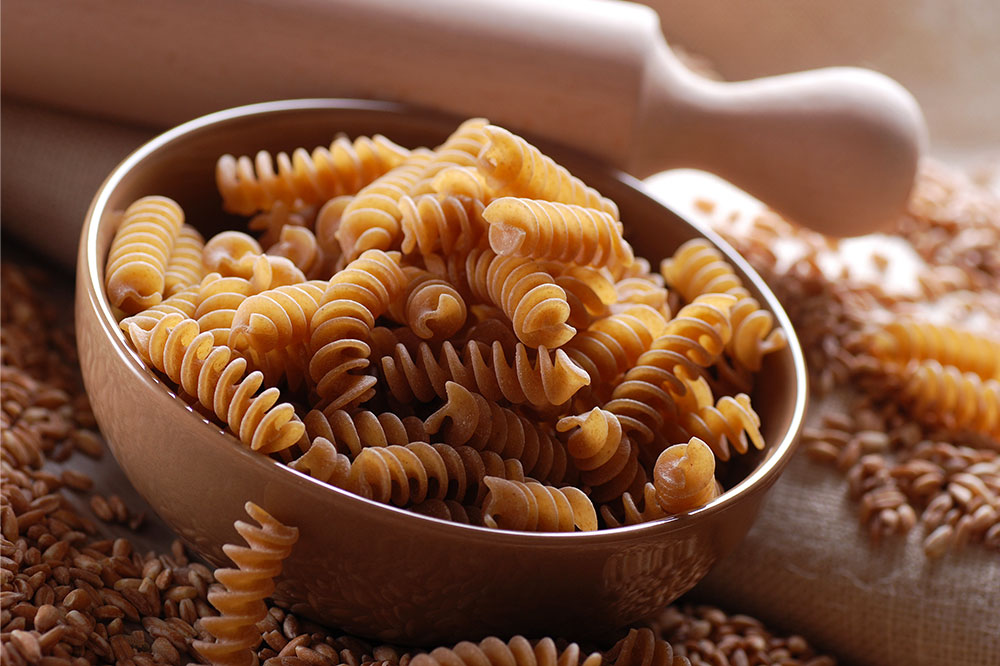
Crohn’s, an inflammatory bowel disease, can have long-term consequences like digestive tract inflammation or malnutrition. Symptoms like diarrhea, stomachache, and body cramps interfere with your daily routine, making it difficult to have proper meals or lead a normal life. Thankfully, you can help minimize the symptoms by avoiding certain foods that are not good for Crohn’s. It is advisable to draw up a routine and maintain proper eating habits to prevent flare-ups. Food items and ingredients to avoid to prevent Crohn’s disease flare-ups Whole grains The fiber in whole-grain bread, whole-wheat pasta, and popcorn can pass too quickly through your stomach, making it tough for your body to digest the same. This can lead to pain, bloating, or loose motion. Hence, staying away from these foods is a good idea if you have Crohn’s disease. Beans Beans are usually very healthy and nutritious. But, they can lead to gas since they are rich in fiber. Thus, avoid beans for the sake of your digestive health if you are suffering from Crohn’s disease. Even processed beans should be avoided. Fruits and vegetables Fruits and vegetables are loaded with vitamins and minerals. But they also contain a lot of insoluble fiber, which, as mentioned above, is not a good option in Crohn’s disease.
Read More
4 vitamins that help maintain eye health

4 vitamins that help maintain eye health

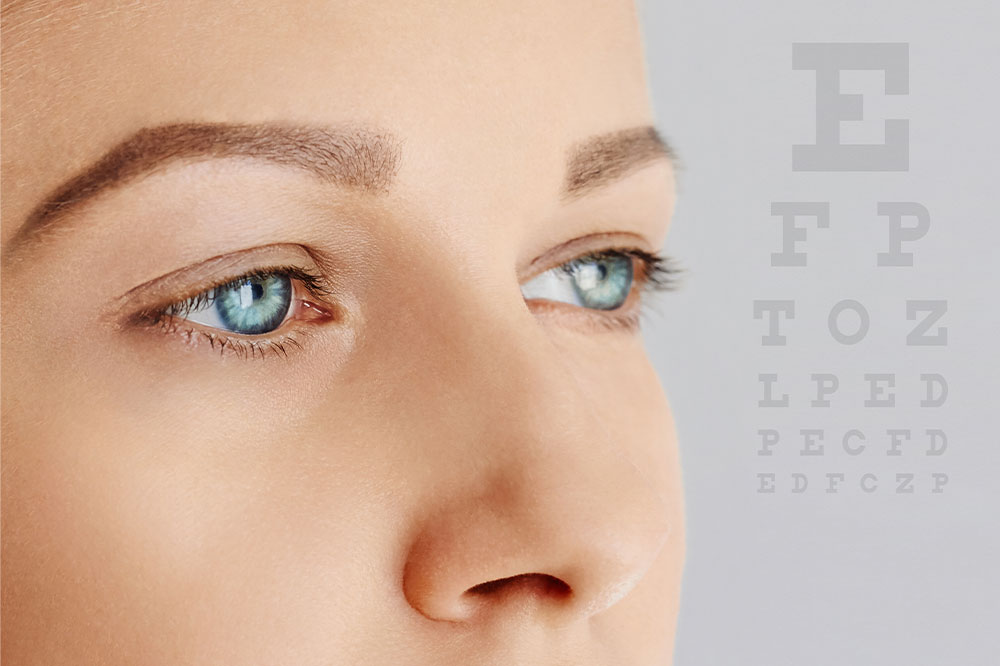
Eyesight is one of the most crucial senses, so the eyes need proper care on a daily basis. Multiple eye health complications can develop due to poor nutrition and improper care. If left unchecked, these problems may trigger vision loss or distorted vision, requiring corrective measures like eyeglasses or lenses. However, one can ensure that they have certain vitamins that are absolutely vital nutrients to protect the eyes and improve vision. Vitamin A Most fruits and vegetables contain vitamin A and plant compounds like beta carotene. Studies show that vitamin A helps improve visibility in low lighting conditions. The body also converts essential beta carotene compounds into vitamin A to further meet daily requirements. Beta carotene is instrumental in enabling the retina to produce more pigments that help enhance visibility. Additionally, the eyes also benefit from compounds like lutein and zeaxanthin found in plant-based foods. This is why nutritionists recommend adding carrots, red peppers, sweet potatoes, and pumpkins to daily meals. Ideally, nutritionists recommend maintaining a steady daily intake of up to 900 micrograms of vitamin A for men and 700 micrograms for women. Vitamin E The eyes also need antioxidants to combat free radicals triggering cell damage in healthy tissues.
Read More
9 healthy foods that help boost the immune system

9 healthy foods that help boost the immune system

The immune system includes complex processes, chemicals, and cells that defend the body against foreign invaders like viruses, bacteria, and other pathogens. When left unchecked, these invaders may lead to severe health complications. The immune system needs adequate nutrition to function efficiently and prevent infections or diseases. One could take supplements to build their immunity. However, healthy foods like the ones listed below may also help boost the immune system and keep illnesses at bay. Oranges Several people turn to foods rich in vitamin C to fight the symptoms of a cold. Oranges are a healthy source of vitamin C which helps improve the production of white blood cells. So eating this citrus fruit will help build the immune system and ward off or prevent potential health issues. Other healthy citrus fruits rich in vitamin C include clementines, grapefruit, limes, lemons, and tangerines. Broccoli The vegetable is flush with nutrients that can benefit one’s immune system. Broccoli is abundant in vitamin C, which boosts white blood cell production. The vegetable is also rich in vitamin K1, a vitamin necessary for blood clotting. Furthermore, it contains iron, an essential mineral for transporting oxygen across the red blood cells. Broccoli is also high in proteins, which are the building blocks of the human body.
Read More
7 best times to drink water

7 best times to drink water

Bottled water accounts for over 25% of beverage consumption in the country. Many rely on pure bottled water brands like Nestle, Dasani, and Aquafina for their daily hydration needs. They believe it is safer to drink pure bottled water, as tap water can be affected by groundwater contamination. A full-grown adult must have at least 8 to 12 glasses a day, preferably at specific crucial times to ensure they get the most benefits. After waking up Having a glass of water right after waking up offers several health benefits. First, the body needs fluids to flush out toxins. Second, a glass of water first thing in the morning rehydrates the body after the long fast overnight. Additionally, this helps boost energy levels and stimulate metabolism. Water will also promote digestion and boost cognitive function. Fun fact: About 60% of the human body is composed of water, which makes the body function at optimum capacity. So, one should start the day right and get hydrated. When experiencing hunger pangs A rumbling feeling in the stomach does not always mean the body is running low on carbs and calories. Simply snacking to curb hunger will only trigger insulin spikes, affect cholesterol, and lead to mass gain.
Read More
Managing eosinophilic esophagitis – Foods to avoid and eat

Managing eosinophilic esophagitis – Foods to avoid and eat

Eosinophilic esophagitis (EoE) is an immune system disorder recognized as a major source of issues in the digestive system. EoE develops when stomach acid backs up into the esophagus, causing injury to the sensitive esophageal tissues. Certain foods are known to aggravate the condition. Its management consists of removing triggers from one’s daily routine and gradually reintroducing them to identify the cause. Here are foods that aggravate EoE and those that relieve it: What is eosinophilic esophagitis? The esophagus is a tube that connects the mouth to the stomach. Eosinophilic esophagitis or EoE is a medical condition where the immune system overreacts to allergens and triggers like unsuitable foods. This reaction causes acidic reflux and leads to the build-up of white blood cells in the lining of the esophagus. The buildup inflames the tissues and stops the organ from functioning optimally. Those with EoE may experience common symptoms like difficulty swallowing, vomiting, stomach pain, heartburn or chest pain, and a burning sensation in the throat. Hampered growth is a common symptom in kids who may be slow in gaining healthy mass. Foods to avoid Wheat products People with eosinophilic esophagitis should avoid wheat products like bread, noodles, muffins, crumpets, pasta, cakes, cereal bars, pastries, and crackers.
Read More
Everything to know about dental implant procedure

Everything to know about dental implant procedure

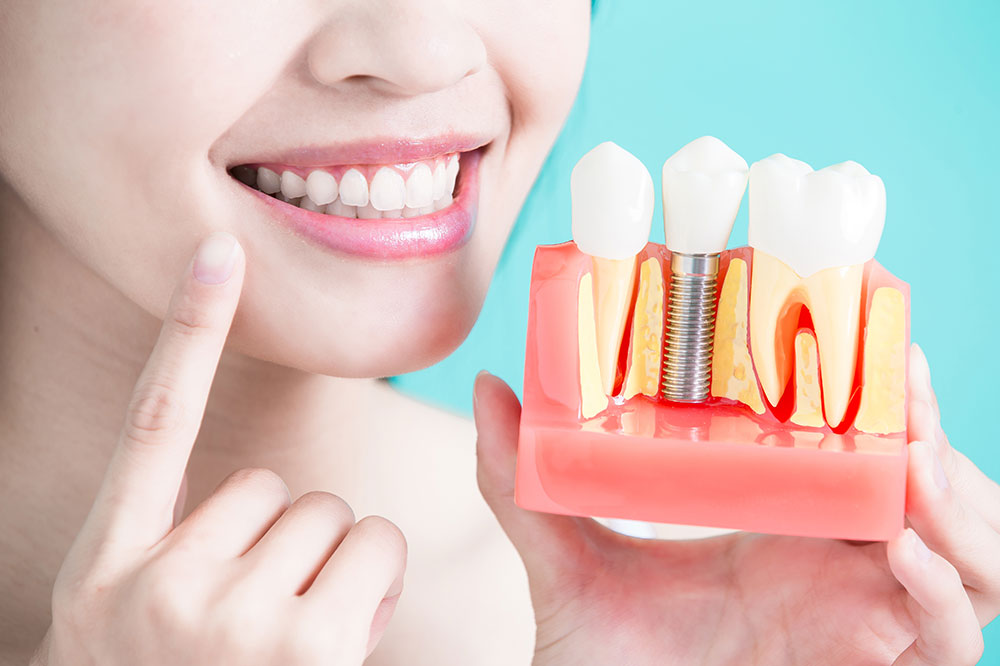
A smile is incomplete without healthy, white teeth enhancing its appeal. Dental implant procedures help individuals gain suitable replacements for their lost teeth. Dental implants have a 98% success rate and are becoming immensely popular in the country. However, before opting for this procedure, it is essential to consult a reliable dentist, understand the pros and cons of the process, and take the necessary measures. This article provides a detailed insight into dental implants: What are dental implants? A dental implant is an artificial device inserted into the jaw and acts as a root to hold an artificial tooth. These implants are permanent solutions made of titanium. They are recommended for individuals who have lost their teeth due to a health condition or injury and are uncomfortable with dentures. Types of dental implants Endosteal Here, cylinders, screws, or blades are inserted surgically in the jawbone and may hold one or multiple artificial teeth. Subperiosteal The implant is placed on the jaw, and the posts protrude through the gum, holding the prosthetic in place. Prerequisites for getting a dental implant Before getting a dental implant, here are some conditions that one must fulfill: Good oral health Adequate jawbone for holding the implant firmly Healthy gum tissues No health conditions that would hamper bone healing Types of procedures for dental implant Full-mouth dental implants This procedure is undertaken for individuals who have lost all their teeth.
Read More
7 Most Essential Vitamins to Maintain Eye Health

7 Most Essential Vitamins to Maintain Eye Health

A person’s eyesight is probably the most important of the 5 senses. Eyes are complex organs that require different nutrients and vitamins for proper functioning. Common conditions like dry eyes, age-related macular degeneration (AMD), diabetic retinopathy, cataracts, and glaucoma, can significantly impact a person’s eyes. Though various factors might be responsible for this condition, poor or insufficient nutrition influences it the most. Here is a list of vitamins one must consume to improve eye health. Vitamin A Vitamin A has antioxidant characteristics to help reverse or slow down oxidative damage to the cells and DNA. These have a significant role in several age-related conditions. Vitamin A is crucial and one of the quintessential vitamins for eye health. It enables the eyes to yield pigments, allowing eyes to see the full spectrum of light. Vitamin A also nourishes other parts of the eye. Vitamin A deficiency causes Xerophthalmia, a condition that damages the cornea. It is also a prevalent cause of preventable blindness. People who consume less Vitamin A suffer from dry eyes. Of course, using dry eye drops is an option, but doing so won’t fix the body’s deficiencies. Thus, in addition to the dry eye drops, one must consume foods rich in Vitamin A.
Read More
11 Signs of Headaches That Should Never be Ignored

11 Signs of Headaches That Should Never be Ignored

Headaches are one of the most prevalent forms of pain. They can affect anyone regardless of their age. Sometimes, it is a primary headache, implying the problem is the headache itself. For this, you can get a migraine prescription online, and the prescribed treatment can cure your pain. However, at other times, a headache indicates an underlying medical condition. This is known as a secondary headache. Here are some headache signs you must never ignore. Temple pain or tenderness In people aged over 50 or older, a throbbing headache concentrated around one’s temples might indicate temporal arteritis (giant cell arteritis), meaning the blood vessels in the head are inflamed. A few more signs of this disorder include fatigue, tenderness of the temples or the scalp, trouble chewing or jaw pain, vision changes, and flu-like symptoms. The condition is more prevalent in women than in men. Typically, the headache from giant cell arteritis aggravates over time or might go away and recur. Regardless, it is vital to get it checked. It can result in sudden vision loss if one fails to get it treated in time. Fever It can be concerning if the headache is accompanied by a fever and might imply an infection in the brain, like meningitis, or encephalitis.
Read More
7 Indicators of Excess Sugar Intake

7 Indicators of Excess Sugar Intake

The pandemic has led to an uptick in diabetes cases, as the low-grade inflammation triggered by the virus can worsen existing diabetes by tampering with insulin resistance. Certain research indicates that the virus can replicate within pancreatic beta-cells responsible for insulin production, hampering both synthesis and secretion. While the general health risks associated with excessive sugar consumption are well-known, this highlights the need to understand the seven warning signs of excessive sugar intake listed below. Sugar cravings If you have intense cravings for sweet foods and drinks, like candy, donuts, and soda, it may be a sign of consuming too much sugar. When we eat a lot of sugar, our bodies become used to getting a regular dose of it and start craving more. But giving in to the temptation can create a vicious cycle that leads to further cravings. While saying “no” to sweets can be challenging initially, it provides a range of health benefits in the long term. Trouble sleeping If you have difficulty falling or staying asleep, it could be because you’re adding too much sugar to your meals. Excess sugar can cause blood sugar spikes, leading to difficulty sleeping. It can also disrupt your circadian rhythm, the body’s natural process that regulates your sleep cycle.
Read More
14 Signs of Multiple Myeloma to Look Out for

14 Signs of Multiple Myeloma to Look Out for

Multiple myeloma is a type of cancer that develops in the plasma cells or the white blood cells (WBCs). Healthy plasma cells help combat infections in the body by forming antibodies, which identify and attack germs. Cancerous plasma cells collect in the bone marrow in people with multiple myeloma, crowding the healthy blood cells. Hence, these malignant cells produce abnormal proteins instead of producing antibodies and negatively impact one’s health. Signs of multiple myeloma Weakness or numbness Typically, multiple myeloma is associated with nerve compression, which can cause numbness in the limbs. Hyperviscosity might result in numbness or weakness in the legs, arms, and face. Nerve damage At times, the abnormal proteins generated by the plasma cells are toxic to the nerves. The damage can result in numbness and weakness. It might also trigger a needle-like sensation or peripheral neuropathy. Most people disregard this symptom as routine, but it is important to visit a doctor if the episodes are repeated. Bone pain It is another symptom usually experienced by people with multiple myeloma. Abnormal plasma cells grow in the cortical bone and bone marrow, resulting in generalized bone thinning and local bone damage. It is known as osteoporosis, a condition that makes the bones more susceptible to breakage.
Read More