6 human foods that cats can safely eat

6 human foods that cats can safely eat

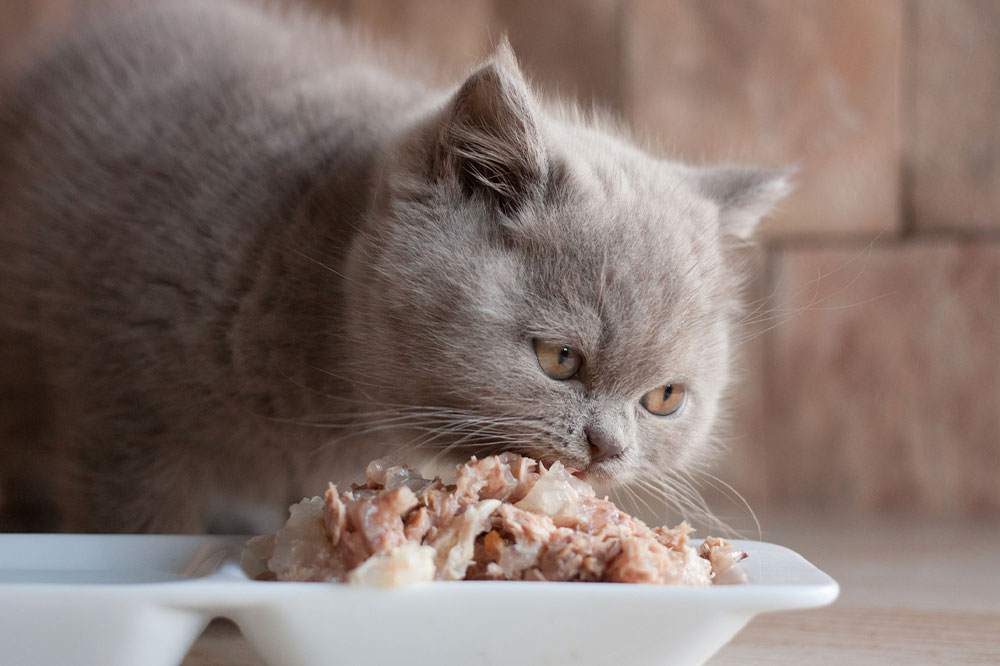
Cats are picky eaters, but they may jump with glee if you share a titbit from your plate. Felines love variety in food, and you can share some of your food if it is nutritious and non-toxic. Moderation is the key when you feed human food to your cat so that it does not cause any allergies or digestive issues. Here is a list of six human foods that are safe for your cats: Eggs Small quantities of cooked eggs are good for cats. You can set aside a tablespoon of scrambled egg or a piece of a boiled egg while you cook some for yourself. Don’t season it, add any oil or butter, or  feed raw eggs or yolks. Eggs contain a protein called Avidin that may prevent the absorption of Vitamin B. Raw eggs could contain Salmonella, a bacteria that can infect the GI tract of both cats and humans. Severe infection may lead to death in cats, while humans may need hospitalization. Vegetables Cats are carnivores and are partial to meat; a non-meat diet may not excite them as much. However, you can feed small portions of a few vegetables that can supply your cat’s fiber, protein, and nutrition requirements.
Read More

4 tips to manage flea and tick infestation in dogs

4 tips to manage flea and tick infestation in dogs

Dogs get affected with fleas or ticks due to spending time on grassy trails, lush parks, or moist areas. And these pests can cause itching and skin damage if not controlled in time. Flea and ticks leave eggs and larvae on the coat, which can be challenging to eradicate. They can also lead to Lyme disease and other debilitating conditions. Following are tips to manage flea and tick infestation in dogs: Consider the following treatment options Bravecto chew Bravecto chew is a chewable treatment option that you can administer along with your dog’s food. It contains fluralaner, an active ingredient that spreads quickly through the dog’s tissues and the skin. Fleas and ticks in the coat ingest minute amounts of fluralaner, which affects their central nervous system, killing them within 12 hours. One dose of Bravecto is effective for about 12 weeks. If your dog is sensitive to the treatment option and vomits within three hours of ingestion, contact your vet, as it may be less impactful in killing the ticks and fleas. Bravecto is also effective in preventing heartworms and intestinal worms. Simparica This prescription treatment option is ideal for dogs over six months and can be administered monthly.
Read More
Top 5 human foods that are also safe for dogs

Top 5 human foods that are also safe for dogs

If you own a pet, you know that every time you eat, your dog sits right next to you in hopes that you’ll share your food. Human food can be safe for dogs if it doesn’t contain toxins. Every pet owner must know which food is and isn’t suitable for your furry friend. This way, you can feed your dog the right foods. Here are some foods you can share with your dogs without hesitation: Fish Just like omega-3 fatty acids benefits humans, it can also help dogs fight inflammation. Fish is also an alternative source of protein for dogs that may be allergic to red meat. Ensure that you cook it well without too much oil and seasoning. Raw fish may contain salmonella and listeria, causing infection for the dog and your family. Clean and pick the bones well before serving them. Fish bones are risky for dogs, as they can lodge in their mouth, throat, and intestines or perforate their organ walls. Choose fish that have lower mercury levels. Ideal fish for dogs include tuna, whitefish, cod, and whiting. Meat Meat is a natural dog-friendly food, as they are carnivores. If you are preparing the meat at home, choose lean ground beef, chuck steak, chicken, turkey, or roast.
Read More
Top 5 cat foods that are recommended by vets

Top 5 cat foods that are recommended by vets

Cats are strict carnivores by nature, and their bodies cannot digest a carbohydrate-rich diet. And pet parents must feed them a nutritionally balanced diet matching their weight, age, lifestyle, and current health condition. Look for food with animal protein as the prime ingredient and has fatty acids, essential amino acids, and minerals. If you are unsure of what food to choose, you can consider the following vet-recommended food for your cats: Human-Grade Fresh, Wet Cat Food by Smalls Smalls is an ultra-high protein USDA-certified cat food subscription service that uses humanely harvested and human-grade ingredients. Trained chefs prepare the food avoiding cheaper fillers like carbs and grains that add volume and reduce cost. The food does not contain any preservatives. You can choose from chicken, a combination of chicken and turkey, beef, or fish for fresh food. Freeze-dried raw cat food is available in turkey, duck, and chicken flavors. While fresh meals can go to the freezer, freeze-dried raw food can be in the pantry. One package may last five meals, and you must read the instructions to store the leftover package properly to avoid contamination. The approximate cost of Smalls cat food is $2.50 to $3.50 daily. Pro Plan® Focus Adult Weight Management Cat food by Purina® Purina Pro Plan Focus Adult Weight Management Cat food is available without a prescription and is a less expensive alternative for weight loss diets.
Read More
8 clear signs of tick bites in pets

8 clear signs of tick bites in pets

Tick bites can be a severe problem for our furry friends, leading to discomfort and health issues if left untreated. Since ticks are known to carry diseases and infections, pet owners have a moral responsibility to learn to identify the signs and symptoms of a tick bite on their pets. In this article, one can find the common signs of tick bites in furry companions for timely treatment and tips to prevent serious complications. Common signs that a tick may have bitten a pet Tick bites are commonly seen in pets that spend much time outdoors. However, indoor pets can be at risk if people or other pets who have spent time outdoors bring ticks inside the house. Whether the pet spends most of their time indoors or outdoors, it is important to be aware of the common signs of tick bites and watch out for them. Tick fever This is one of the most common signs that a tick may have bitten a pet. A tick bite can trigger a fever of 105°F (40.5°C) or more. Lethargy Episodes of deficient energy levels generally follow tick bites. As a result, the pet will experience severe lethargy. They are unwilling to engage in activities or do not respond in their usual, energetic way.
Read More
11 foods that should never be fed to dogs

11 foods that should never be fed to dogs

For a dog parent, their beloved pooches are a source of joy and contentment. Thus, they leave no stone unturned to ensure their pets receive nutritious food and plenty of exercise. In addition to providing them with nutrient-rich foods, dog parents should also know about the hidden dangers of certain seemingly innocuous foods that dogs may ingest when they can access them. Here are 11 human foods that can be toxic to dogs: Grapes and raisins Grapes and raisins can be highly toxic to dogs, although the exact cause of their toxicity is unknown. Ingesting grapes or raisins, even in small quantities, can cause kidney failure and even death among dogs. Therefore, it is important to keep grapes and raisins out of a dog’s reach. Mushrooms Although only a few types of mushrooms are poisonous to dogs, the poisonous ones can prove lethal. Moreover, it is difficult to distinguish the harmful mushrooms from the safe ones. Hence, to err on the side of caution, it is advisable to avoid feeding mushrooms to dogs. Xylitol This artificial sweetener is increasingly used as a sugar substitute and is harmless to humans. However, even small quantities of xylitol are dangerous for dogs. In humans, this sweetener does not cause the pancreas to release insulin.
Read More
14 ingredients for managing flea and tick infestations in dogs

14 ingredients for managing flea and tick infestations in dogs

Managing tick and flea infestations in dogs is vital to ensuring their well-being. Here, home-based tick and flea repellents can be a gentle and cost-effective alternative to harsh chemical products commonly used to kill pests. Some at-home ingredients and products can help keep pests at bay without harming dogs or their surroundings. So, here are a few readily available kitchen ingredients that can help in getting rid of ticks and fleas living on dogs: 1. Apple cider vinegar ACV is a versatile remedy considered safe to be applied on dogs. Its acidic nature can create an unwelcome environment for ticks and fleas. Here, one can mix equal parts ACV and water in a spray bottle and gently mist the dog’s fur, avoiding sensitive areas like the eyes. This solution not only repels pests but also alleviates skin irritation while giving the dog a healthy, shiny coat. 2. Coconut oil Popular for its moisturizing properties, coconut oil can be a handy kitchen ingredient for tackling tick and flea infestations. Rich in lauric acid, coconut oil can be used topically on a dog’s coat to keep pests at bay or added to the pet’s meals to boost their skin health. So, the oil can repel pests and fortify the skin.
Read More
Top 5 ways to reintroduce cats to the litter box

Top 5 ways to reintroduce cats to the litter box

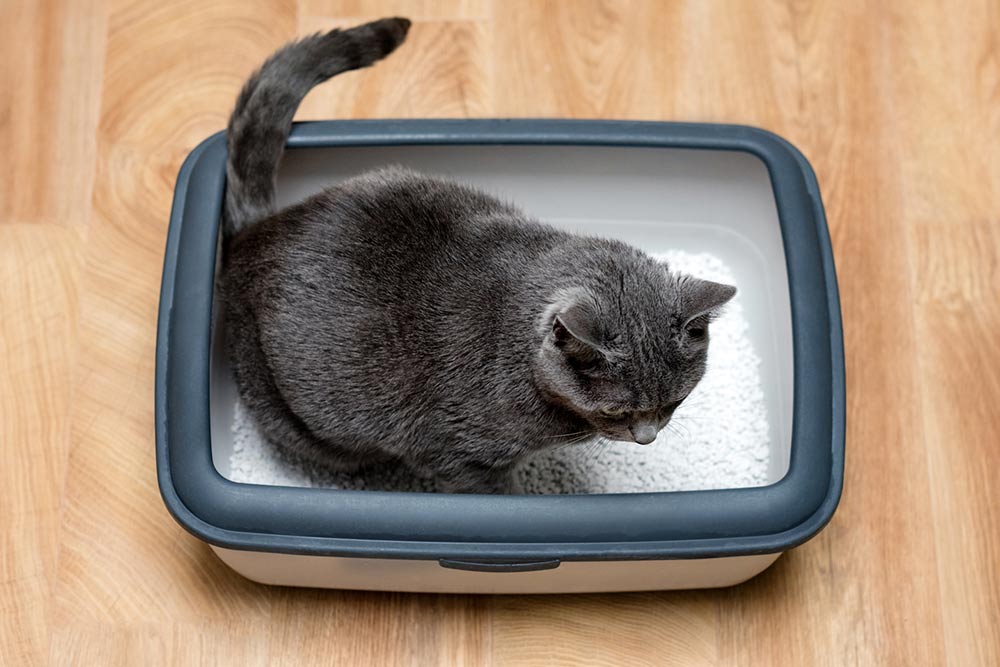
Sometimes, cats may suddenly pee and poop everywhere except the litter box. This may happen for a few reasons, such as the litter box’s location or type having changed, the cat not liking it, or because of an undiagnosed medical condition. For a cat parent, this can be frustrating. Thus, understanding why the cat refuses to use the litter box and reintroduce it begins. Here are a few tips that can help. Figure out any health issues Inappropriate defecating – especially peeing in unusual areas may indicate a health issue. In such cases, if the cat’s urine appears dark, bloody, and in pain while passing it, it could be a urinary tract infection, blockage, or cystitis. If the cat defecates more, it can be a sign of kidney, diabetes, or thyroid problems. When this happens, one must immediately consult a vet. They will diagnose the problem, rule these issues out, and recommend treatments. The vet may run urine or blood tests to ensure the cat is disease-free. Once the cat has recovered, they may use the litter box like before. Clean up the spots to break the cycle Sometimes, cats may start peeing in new spots just out of curiosity.
Read More
9 tips for toilet training a cat

9 tips for toilet training a cat

Getting a cat toilet trained may seem like a time-consuming activity, but it is a must to keep the floors and other surfaces clean. The activity requires patience and the right tactics, but once cats get used to their litter boxes, life becomes much easier for their owners. However, as cats can be quite finicky when it comes to hygiene, one can use the following tips to toilet-train them with ease: 1. Choose a box of the right size Cats need to be comfortable in their litter boxes, or they may reject them altogether. So, while buying a litter box, cat owners should measure the cats’ height and buy a box that is at least one and a half times that. 2. Determine the preferable litter type Cats are often particular about textures, so they may not like all types of litter. However, the only valid strategy here is trial and error. So, one should try filling up the litter box with one type of litter and see if the cat takes to it. If not, they should empty the box and refill it with some other litter until they figure out the type of litter the cat prefers. 3.
Read More
8 Nutritious Human Foods Safe for Pet Cats

8 Nutritious Human Foods Safe for Pet Cats

Ensuring that a pet cat gets the best nutrition is imperative so that it can live a healthy lifestyle. And most people often resort to feeding their feline friend table scraps or home-cooked meals to save time putting together a pet-specific meal. However, feeding pets the wrong types of foods can lead to multiple health problems. Therefore, here are eight safe food items to consider adding to your pet’s next meal. Salmon Fish like salmon are highly nutritious, not just for humans but also for pets. The seafood is rich in omega-3 and omega-6 fatty acids and proteins essential for your pet. Salmon also nourishes cats with necessary vitamins and minerals, including niacin, selenium, potassium, and vitamins B6 and B12. You can serve the fish as a tasty treat or mix it with other regular meals. However, ensure that the salmon is cooked and not served raw. You should also consider removing the tail, bones, and head of the fish as they might lead to choking hazards. Spinach Spinach is one of the healthiest food sources for pets, including cats. The leafy green is abundant in essential vitamins and minerals like vitamins A, C, and K. The food also contains other minerals like iron and calcium that are equally important to improve their health.
Read More