10 Foods that Help With Period Pain

10 Foods that Help With Period Pain

Living with period pain can affect your daily life and routine, making it difficult and uncomfortable. Eating the right foods can help alleviate some of the cramps and general pain and make your period more manageable. This article discusses ten foods that have been scientifically proven to help manage period pain. Read on to learn about the benefits of each food item and how you can incorporate them into your food regime. What causes period pain? Period pain, also known as dysmenorrhea or menstrual cramps, is a common symptom experienced by women during menstruation. The tolerance for this pain, and the extent to which it affects one, can vary from woman to woman, with some experiencing slight discomfort while others experience extreme pain and might be unable to function normally. The cause of period pain is not fully understood, but several factors may contribute to its occurrence, including hormones, inflammation, vitamin D deficiency, and stress. Foods to manage period pain For some people, period pain can be debilitating. Here are certain foods to help manage its symptoms and make that time of the month a little more bearable. Cruciferous vegetables These belong to the cabbage family and includes popular vegetables such as kale, broccoli, cabbage, cauliflower, Brussels sprouts, bok choy, turnips, and radishes.
Read More
Endometriosis – Symptoms and natural remedies

Endometriosis – Symptoms and natural remedies

Endometriosis is a painful disorder wherein tissue similar to the endometrial lining begins to grow outside the uterus. This tissue commonly grows in the ovaries, fallopian tubes, and the tissue lining the pelvis. However, in rare cases, endometrial-like tissue is found beyond the location of the pelvic organs. Moreover, in endometriosis, the endometrial-like tissue thickens, breaks down, and bleeds every menstrual cycle but has no exit from the body, leading to complications and pain. Symptoms of endometriosis One of the primary symptoms of endometriosis is pelvic pain which is often associated with the menstrual cycle. Although most people experience cramping during their menstrual period, people with endometriosis describe their pain as far worse. Some of the other symptoms experienced by the patients include: Excessive bleeding Painful periods Pain with bowel movements and urine Pain during intercourse In addition to the above, patients with endometriosis may experience other symptoms, such as fatigue, constipation, diarrhea, nausea, and bloating during the menstrual period. Further, patients should not consider the intensity of pain as a reliable indicator of the condition. Some patients may have mild endometriosis with severe pain, while others may have advanced endometriosis with either little or no pain. Managing endometriosis – Remedies for pain and other symptoms Endometriosis is a medical condition that does not have any cure.
Read More
Management Remedies for Rheumatoid Arthritis

Management Remedies for Rheumatoid Arthritis

Arthritis is a painful condition that affects millions of people worldwide. It can make everyday activities difficult, leaving you feeling exhausted and frustrated. However, you can make a few simple changes to your lifestyle to help manage the condition. In this article, we’ll look at three easy adjustments you can make to help manage your arthritis. Read on to learn how such small changes can significantly reduce pain and improve quality of life. What is arthritis? Arthritis is a term used to describe joint inflammation, which can affect any joint. It is a prevalent condition caused by various factors such as age, injury, autoimmune conditions, or genetics. Common symptoms of arthritis include pain, stiffness, swelling, and a decreased range of motion. Treatments and lifestyle modifications can help manage symptoms and improve quality of life. Exercise, nutrition, supplements, and stress management are just a few strategies that you can employ to help manage the condition. Types of Arthritis Osteoarthritis It is a common type of arthritis caused by the breakdown of the cartilage that lines the joints. Symptoms include pain, stiffness, and swelling. Rheumatoid arthritis This is an autoimmune disorder where the body’s immune system attacks the joints, leading to inflammation, pain, and joint destruction.
Read More
6 foods to avoid for people with hearing difficulties

6 foods to avoid for people with hearing difficulties

The auditory sense is a crucial aspect of perceiving the world around us. However, approximately 15% of adults in the country report some hearing problems. With advanced technology, several solutions, including hearing aids and assistive devices, have been devised to help individuals with hearing impairment. In addition, following a healthy, curated meal plan can help them control symptoms of hearing impairment. Here are some foods to avoid and general tips for those experiencing hearing difficulties. Foods to avoid for people with hearing difficulties Monosodium glutamate An integral part of several packaged and ready-to-eat foods, monosodium glutamate (MSG) is an excitatory neurotransmitter that can cause severe neurological impairment, worsening the symptoms of hearing conditions like tinnitus. Thus, checking the ingredients in ready-to-eat foods and avoiding those with MSG is advisable. Caffeinated beverages It has been found that excessive intake of caffeinated beverages like coffee and tea can elevate one’s blood pressure and aggravate the symptoms of hearing conditions. However, since caffeine also comprises several antioxidants, it may benefit the body in limited quantities. The key here is to limit one’s intake of tea and coffee. Processed foods Processed foods are high in saturated and trans fats, which can lead to plaque generation in the arteries and problems with blood circulation.
Read More
6 foods that may aggravate breathing difficulties

6 foods that may aggravate breathing difficulties

Breathing-based illnesses make getting through a day challenging for people living with them. To top it off, if such individuals eat these “wrong” foods, that will aggravate the condition even more. People overlook the sheer vitality of foods on their respiratory system, which is a massive oversight and can have dire consequences on their health. The worst foods are loaded with sugar or other unhealthy compounds or are overly processed. So let’s look at a few. Beef and pork Regarding processing, red meats contain several chemical preservatives and additives to boost their shelf life and edibility. Additionally, such foods are also packed with saturated fats. Therefore, regularly eating foods such as beef, pork, lamb, mutton, veal, goat, venison, and red meats raises the level of low-density lipoprotein (LDL) in the body dramatically. In addition, LDL is linked with lung inflammation and greater difficulty inhaling oxygen and exhaling carbon dioxide. This risk element gets compounded several times more when people with severe respiratory issues such as COPD or asthma consume foods loaded with processing chemicals and saturated fats. Due to their inflammatory nature, people with respiratory illnesses will do well to steer clear of processed meats and foods. Cakes and pastries As implied earlier, refined sugar is an equally big negative regarding lung health.
Read More
6 critical fitness mistakes to avoid and improve outlook

6 critical fitness mistakes to avoid and improve outlook

The body and mind greatly benefit from any activity that promotes fitness. Mainly, exercise boosts mood and lowers the risk of health complications triggered by a sedentary lifestyle. But paying attention to the form and practicing a few select exercises to achieve fitness goals is not enough. It is also important to avoid making the following mistakes that compromise fitness and increases the risk of injury during workouts. Setting unrealistic goals Exercises will vary depending on the intensity of training necessary to achieve specific fitness goals – for endurance or strength. But it is not possible to train all major muscle groups at the same time. Exercising is a slow and laborious task, so it pays to be patient. Pushing the body and mind to meet unrealistic goals may not lead to long-term results. Therefore, try to include as much variation as possible in the types of workouts. Experts recommend a good balance of cardio and powerlifting to target major muscle groups and achieve desired fitness goals. Set goals that are manageable and don’t negatively impact daily lifestyle. Overtraining Overtraining is one of the biggest mistakes rookies make during the first few months of gym training. Just increasing the number of reps or rounds will not guarantee quicker results.
Read More
Beware of these 5 household items that can increase cancer risk

Beware of these 5 household items that can increase cancer risk

Cancer is one of the leading conditions with fatal conditions affecting people worldwide. The condition is characterized by an uncontrolled mutation of healthy cells that get destroyed while spreading, affecting vital organs and functions. Several risk factors and triggers are involved based on the type of cancer and exposure. However, unbeknownst to many, certain daily-use household items can increase one’s risk of getting the condition. Five such instances where risk is high are discussed below. Household furniture Preservatives are added to increase the durability and shelf life of certain products. But one of the significant carcinogens linked to cancer, called formaldehyde, is heavily used in household furniture installations and furnishings. Unknowingly, people are at risk of developing this chronic illness due to repeated exposure due to certain materials used in making furniture and home upgrades. Common items like plywood, particle boards, paneling, foam insulation, wall paint, wallpapers, synthetic fabrics used in furnishing, and even many cosmetic products contain this preservative. These products release the fumes of the preservative. If the house is not airy or there is no proper ventilation, one could be actively inhaling this carcinogen, increasing the risk of known cancers. Cosmetic products Even beauty products contain certain chemicals and preservatives that expose the skin and body to cancer.
Read More
7 worst foods for eye health

7 worst foods for eye health

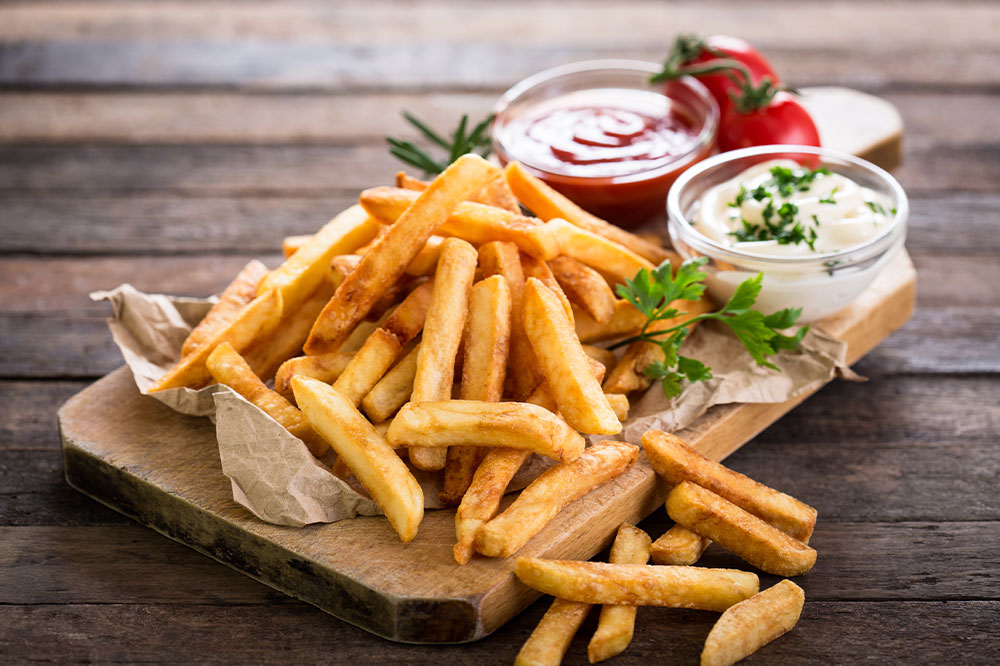
Nutritional choices can play a significant role in maintaining the health of organs, including the eyes. Further, due to the arrangement of vessels behind the eyes, issues with heart health can affect the eyes. So, choosing foods that are not heart-friendly and have low nutritional value can restrict the vessels from transporting vital nutrients and oxygen to the eyes. Such eating habits can degrade eye function, which may lead to problems with vision. Foods to avoid French fries One often enjoys fried items at a fast food joint. But such food can be extremely unhealthy. Many batches of french fries are made using the same oil and reheated multiple times before being served. While this is cost-effective for the fast food joint, the fries undergo molecular changes, which increases the harmful fat content. These fats are known to affect the health of organs, including the heart and eyes. Further, fried foods contain free radicals that cause oxidative stress to the body and subsequently affect eye health. Margarine Margarine is often deemed the healthier version of butter as it is made using vegetable oils. However, margarine is rich in trans fats, which are known to increase bad cholesterol levels in the body.
Read More
20 useful tips to improve patient care

20 useful tips to improve patient care

The quality of patient care and experience is crucial in healthcare services. It impacts the overall outcomes of treatments and plays a significant role in shaping patients’ perceptions of healthcare providers and healthcare systems. With new challenges and complexities arising in delivering care, health experts must prioritize patient care to improve treatment outcomes. It calls for strategies like boosting communication, promoting patient education, offering supportive services, fostering a positive workplace culture, and more. Establish strong patient-provider relationships Developing strong patient-provider relationships can improve patient satisfaction and trust in healthcare providers. Healthcare providers should create a welcoming and supportive environment where patients feel comfortable discussing their health, troubles, doubts, and goals. Communicate effectively Effective communication is crucial for providing quality care and improving patient experience. Healthcare providers must be trained to communicate professionally, avoid using too much healthcare jargon, and listen actively to patients to ensure they understand their needs. Prioritize patient education Patient education is crucial for improving treatment outcomes and patient experience. Therefore, it is necessary to prioritize educating patients about their health conditions, treatment options, and preventive measures to manage their condition. Encourage shared decision-making Shared decision-making involves healthcare providers and patients collaborating to make decisions on diagnosis, treatment, and care.
Read More
7 adverse effects of poor hydration

7 adverse effects of poor hydration

Water is one of the necessities for our survival. The body needs adequate water intake for proper organ function and overall physical and mental health. Drinking insufficient water can give rise to adverse side effects, such as skin issues, kidney problems, dizziness, anxiety, and more. Thus, it is vital to know the importance of drinking water. One can also speak to a doctor to identify if their current water intake is sufficient for their body. 7 dangerous side effects of not drinking water Skin problems Did you know that the skin is the largest organ of the body? Drinking insufficient amounts of water can cause premature aging of the skin, wrinkles, dry skin, and other skin concerns. When your skin looks like it lacks moisture, it loses more elasticity, making it more vulnerable to external impurities and other factors like stress. Water is responsible for ridding your body of toxins and impurities. Keeping up your hydration levels will ensure you have soft, supple skin that is clear and radiant. Decreased hair health Even our hair is 25% water. This means dehydration in the body can leave the hair dry and frizzy. Persistent dehydration can leave the hair dehydrated to the point that it grows brittle and breaks.
Read More