

Why Charging Myths Are So Persistent
Charging anxiety is real. Many smartphone owners unplug before bed or set early morning alarms to avoid leaving their phone plugged in - all based on advice that may have been partially true years ago but no longer reflects how modern devices actually work.
Battery technology and charging management systems have advanced significantly. Understanding what's changed helps you make informed decisions rather than following outdated rules. For a broader look at how similar tech misconceptions spread, see The Truth About PC Myths That Keep Circulating Online.
Myth
Leaving your phone plugged in overnight overcharges the battery and causes lasting damage.
Fact
Modern smartphones automatically stop charging once they reach 100%, preventing overcharge entirely.
Every current smartphone contains a battery management chip that cuts off current when the battery is full. The phone may trickle-charge slightly as the battery self-discharges, but it is not continuously being forced past capacity. The concept of "overcharging" simply does not apply to lithium-ion cells with proper management circuits, which have been standard for well over a decade.
Myth
You should always let your battery drain completely before charging it again.
Fact
Deep discharging is actually stressful for lithium-ion batteries and can shorten their lifespan.
Full discharge cycles were recommended for older nickel-cadmium (NiCd) batteries to prevent a phenomenon called memory effect. Lithium-ion chemistry does not suffer from memory effect. In fact, battery engineers generally recommend partial charges - topping up before the battery drops below 20% - as gentler on the cell's long-term health than repeated full discharges.
Myth
Using your phone while it charges damages the battery faster.
Fact
Normal use during charging is safe, though heavy tasks that generate heat can add mild stress.
Plugging in while scrolling, streaming, or making a call does not harm the battery in itself. The caveat is heat: processor-intensive tasks like gaming or video calls generate warmth, and if you are also charging, the combined thermal load can be higher than either activity alone. Keeping use light during overnight charging - as most people naturally do while sleeping - carries no meaningful risk.
Myth
Third-party charging cables and adapters will ruin your battery.
Fact
Certified third-party accessories are safe; uncertified, low-quality hardware carries genuine risks.
The key distinction is certification. Accessories that carry legitimate safety certifications from recognized testing bodies meet defined electrical standards. The real concern is with extremely cheap, uncertified chargers that may lack proper voltage regulation or surge protection - these can deliver inconsistent power. Paying a modest premium for a certified cable or adapter from a reputable manufacturer eliminates that risk without requiring you to buy directly from your phone's manufacturer.
Myth
Wireless charging is much worse for your battery than wired charging.
Fact
Wireless charging generates slightly more heat, but modern implementations include thermal controls that minimize the difference.
Wireless charging is inherently less efficient than wired - some energy converts to heat during transmission. Early wireless chargers made this more pronounced. Current Qi and proprietary wireless standards include active thermal management, and manufacturers design their phones with this in mind. For overnight charging, where speed is irrelevant, the heat difference between a quality wireless pad and a cable is generally small enough that it is not a meaningful factor in long-term battery health.
What Actually Affects Battery Health
Battery longevity is a nuanced topic. Lithium-ion cells - the type in virtually every modern smartphone - do degrade over time through a process called capacity fade. Every charge cycle incrementally reduces the maximum charge the cell can hold. But the rate of that degradation depends heavily on factors most people don't focus on.
~500
Typical lithium-ion full charge cycles before noticeable capacity loss
Battery manufacturers and industry technical documentation commonly cite 300-500 full cycles as the range where capacity may drop to around 80% of original.
~20%
Battery capacity lost when stored at high heat
Research on lithium-ion degradation consistently identifies elevated temperatures - above roughly 40°C (104°F) - as accelerating capacity loss significantly faster than normal cycling.
Heat is the primary culprit. Charging while your phone is in a hot car, under a pillow, or encased in a thick case that traps warmth accelerates chemical breakdown inside the battery. Overnight charging on a cool, flat surface is far less damaging than a single hour of charging in an overly warm environment.
If your phone feels unusually warm during charging, removing the case and placing it on a hard, ventilated surface can meaningfully reduce thermal stress. If you've noticed battery draining faster than expected, Your Phone Battery Is Draining Fast - Here's Why covers the real culprits in detail.
Charging Under a Pillow Is a Fire Risk
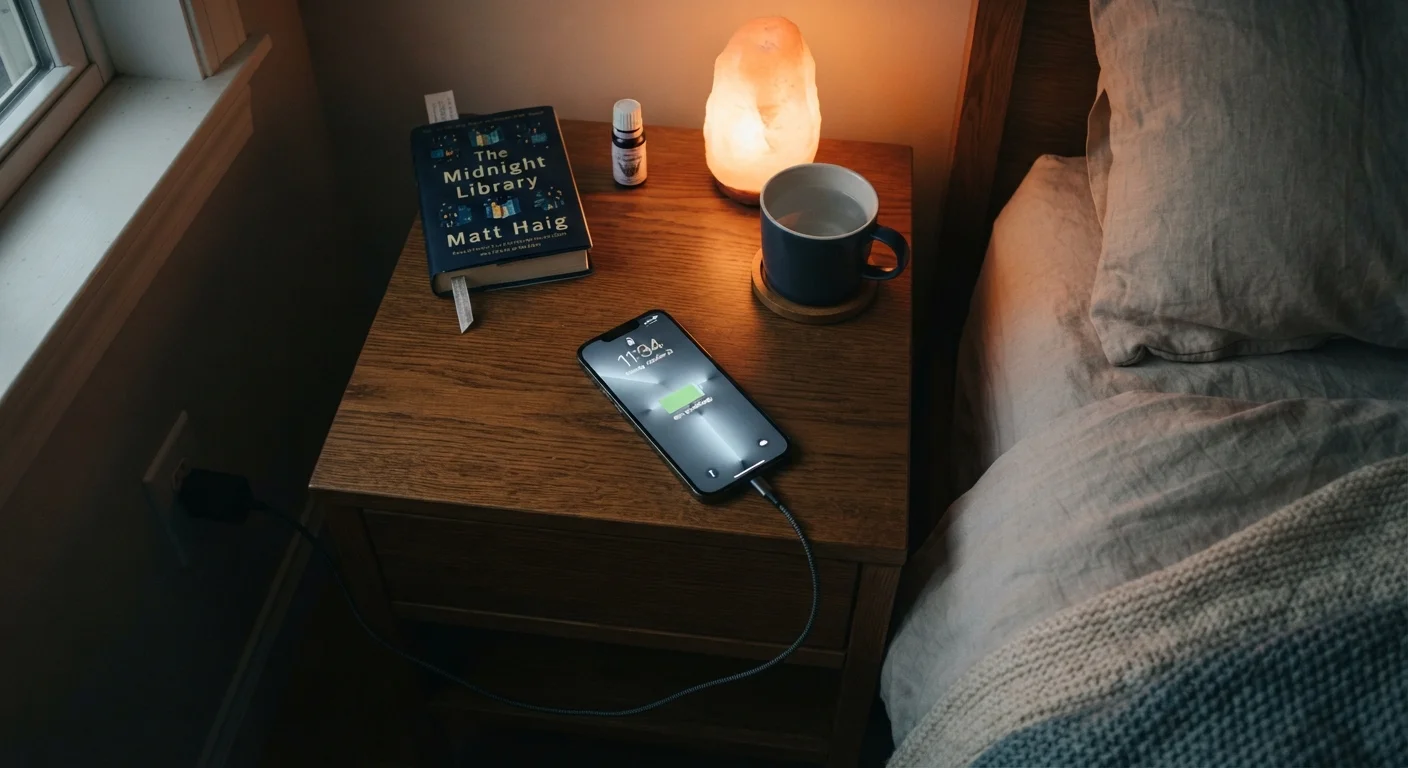
Placing a charging phone under a pillow or beneath bedding blocks heat dissipation entirely. Smartphones can reach unsafe temperatures under these conditions. Always charge on a hard, open surface - a nightstand or desk - so heat can escape freely.
Practical Habits Worth Keeping
Even with all the protections built into modern phones, a few habits genuinely support long-term battery health. Avoiding extremes - letting the battery run all the way to zero regularly or keeping it pegged at 100% for extended periods - is still reasonable advice. Many phones now include settings that cap charging at 80% or 85% specifically to reduce stress on the cell.
Enabling your phone's built-in optimized or adaptive charging feature, if available, is one of the simplest and most effective steps you can take. These features learn your overnight routine and delay topping up to 100% until just before you typically wake up, reducing the time the battery spends fully charged.
In short, the evidence supports relaxed charging habits over anxious ones. Plug in overnight when it's convenient - just avoid charging in extreme heat and consider enabling adaptive charging if your device supports it.
The content on this site is for informational purposes only and is not a substitute for professional advice. Always consult a qualified professional for guidance specific to your situation.