

The Basic Structure: Seven Rounds, 32 Teams
Picture a massive table where 32 general managers are each waiting their turn to call their team's next star. That's essentially the NFL Draft - a structured, seven-round selection process held every spring. Each team holds one pick per round as a baseline, though trades routinely change who holds which slot.
Teams pick in reverse order of their prior season record in every round. The franchise that struggled the most gets the first crack at the most coveted prospects. This "worst to first" philosophy is intentional - it's the league's built-in competitive balance mechanism, giving rebuilding teams access to elite incoming talent.
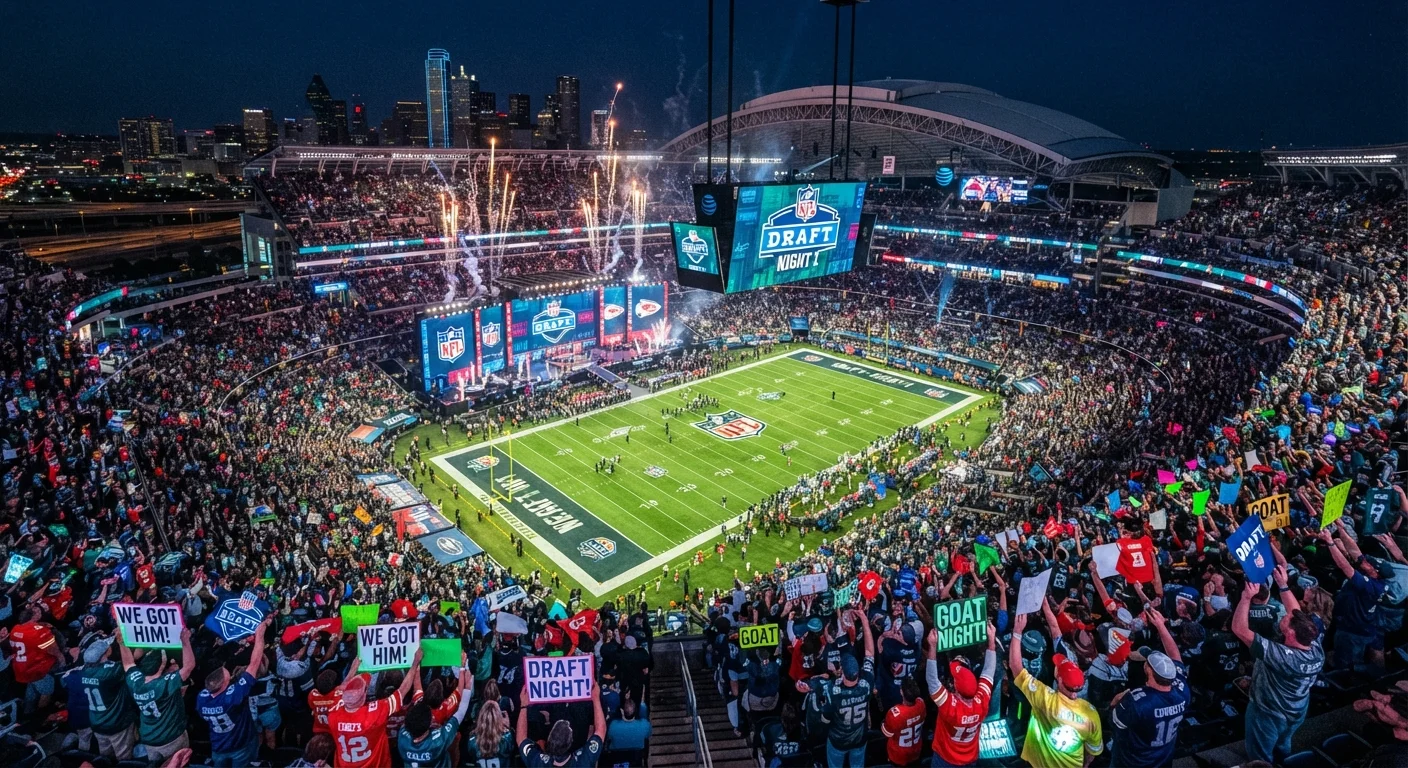
The first round draws the biggest spotlight. Picks come with live television coverage, fan celebrations, and commissioner announcements. Rounds two and three carry serious weight too, as many Pro Bowl-caliber players have been found there. Rounds four through seven are where scouts earn their paychecks by identifying hidden gems.
224+
Players selected each draft
With seven rounds and 32 teams, at least 224 players are drafted annually - more when compensatory picks are factored in.
~450
Undrafted free agents signed post-draft
NFL teams collectively sign hundreds of undrafted free agents each year immediately following the conclusion of the draft.
4 years
Standard rookie contract length
All drafted NFL players sign a four-year contract, with first-round picks carrying an optional fifth year at the team's discretion per the CBA.
Who's Eligible and How Players Get Evaluated
To enter the draft, a player must be at least three years removed from high school graduation. In practice, that means most prospects are college juniors or seniors, though some underclassmen declare early by formally forfeiting their remaining college eligibility.
The evaluation pipeline is intense. NFL scouts fan out across college campuses all season long. Then comes the NFL Scouting Combine - a multi-day event in Indianapolis where prospects run, jump, lift, and interview in front of every team's coaching and personnel staff. Individual team pro days follow at college facilities, offering another data point.
Front offices synthesize film study, measurable data, medical reports, and character evaluations into internal draft boards - ranked lists of every prospect by position. Where a player lands on those boards determines when his phone rings. For a deeper look at how the college game differs from the pro game these players are stepping into, see our guide on what actually changes when players turn pro.
“The draft is the great equalizer in the NFL. Done right, it can turn a losing program into a contender in just a few years.”
— Gil Brandt, Pro Football Hall of Fame contributor and longtime NFL talent evaluator
The Art of the Trade: Moving Up and Down the Board
Draft picks aren't just selections - they're tradeable assets, and the market for them is active year-round. A team desperate for a quarterback might offer multiple future picks to jump into the top five. A team already loaded with talent might trade down, collecting additional selections to build depth.
This is where draft strategy gets genuinely thrilling. Some front offices operate with a strict draft-value chart - a point system assigning worth to every pick - while others trust gut feel and positional need. Either way, the wheeling and dealing that happens in the hours and minutes before picks are submitted can reshape a franchise's trajectory for years.
Watch the Clock - It Matters
Each team has a set amount of time to submit their pick: 10 minutes in round one, 7 minutes in round two, and 5 minutes in rounds three through seven. If a team doesn't submit a pick in time, other teams can jump in and make their selection first - a rare but real occurrence that keeps draft rooms on edge.
Teams can also acquire picks by trading current players. A veteran on the final year of his contract might be moved to a contender in exchange for a mid-round pick - a transaction that benefits both sides.
After the Name Is Called: Rookie Contracts Explained
Hearing your name called is just the beginning. Every drafted player enters the NFL on a four-year rookie contract, with salary slotted by draft position. The No. 1 overall pick commands the richest rookie deal; a seventh-round pick earns the league minimum. These amounts are set by the Collective Bargaining Agreement between the NFL and the NFL Players Association, removing most salary negotiation from the equation for incoming players.
First-round picks come with one important perk: a fifth-year team option. After three seasons, the team can elect to keep the player for a fifth year at a set salary - essentially buying time before committing to a long-term extension. For players drafted in rounds two through seven, the four-year deal is the starting point, with their next big contract depending entirely on performance.
Players who go undrafted don't walk away empty-handed. The moment the draft ends, teams flood the phones of unsigned prospects, and undrafted free agents can negotiate with any club - sometimes offering signing bonuses to sweeten the deal. Many roster contributors and even starters have arrived through this route. To understand all the contract language you'll hear throughout a player's career, check out our breakdown of NFL contract terms fans keep hearing.
Compensatory Picks Add Extra Selections
Beyond the standard 32 picks per round, the NFL awards compensatory picks to teams that lost more or better free agents than they gained in the prior offseason. These extra picks - slotted at the end of rounds three through seven - are calculated by a formula that considers contract value, playing time, and honors. Teams can also trade compensatory picks, which has become a significant part of draft strategy.
Frequently Asked Questions
The NFL Draft has seven rounds. Each of the 32 teams has at least one selection per round, meaning a minimum of 224 players are drafted. The actual total varies because teams can gain or lose picks through trades.
Teams select in reverse order of their win-loss record from the prior season, so the team with the worst record picks first overall. Playoff teams pick after non-playoff teams, with Super Bowl participants picking last and second-to-last.
Yes - trading picks is one of the most common moves in the NFL. Teams can swap current-year picks or future picks (from the next year or beyond) in exchange for players, other picks, or a combination of both.
Drafted players sign a four-year rookie contract. Salary is determined by draft slot, with a fifth-year option available to teams for first-round picks. These contracts are governed by the NFL's Collective Bargaining Agreement.
Undrafted players become unrestricted free agents the moment the draft ends and can sign with any team. Teams aggressively pursue undrafted free agents, and many have gone on to have significant NFL careers.
The draft typically takes place in late April, though the specific city rotates each year. The NFL selects host cities in a competitive bidding process, and the event has grown into a major multi-day spectacle drawing hundreds of thousands of fans in person.
The content on this site is for informational purposes only and is not a substitute for professional advice. Always consult a qualified professional for guidance specific to your situation.