

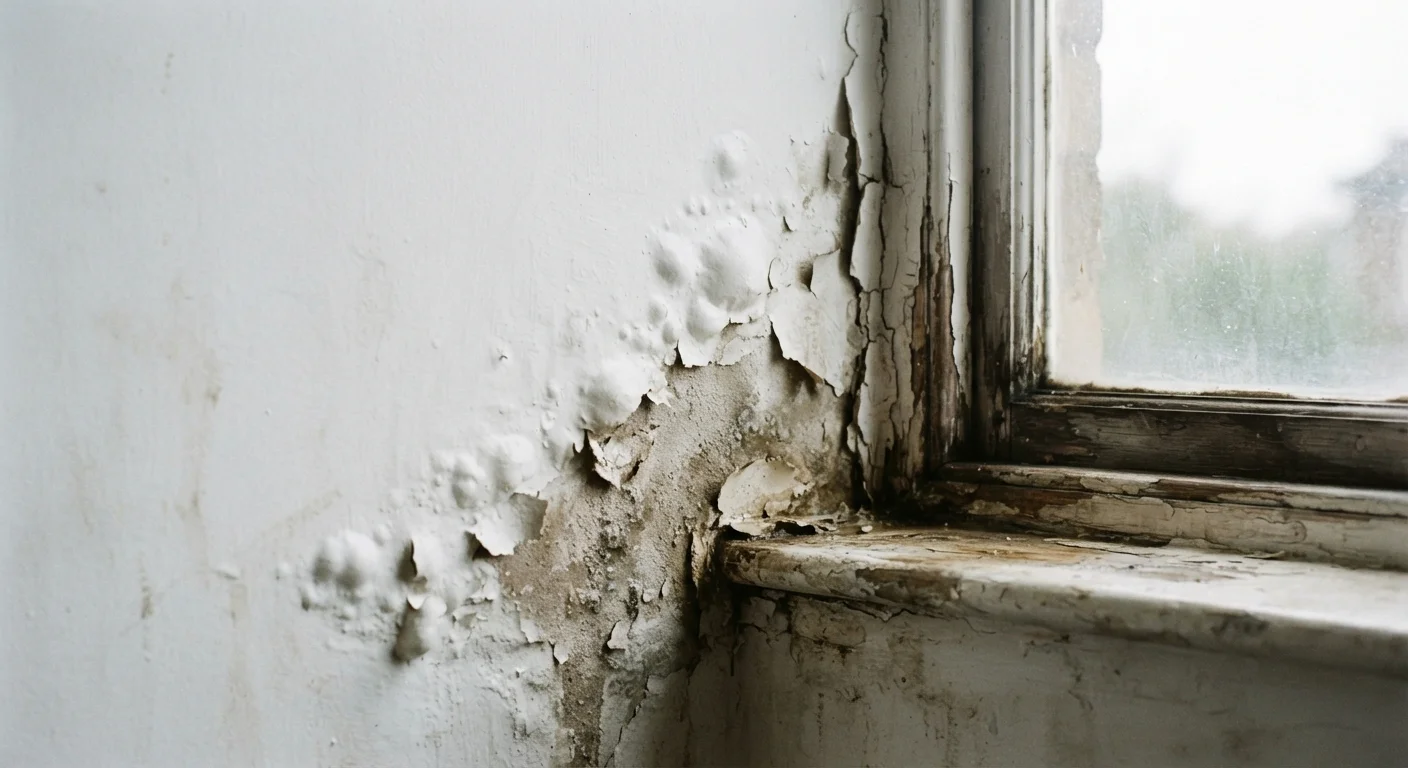
Why Paint Peels Even When It Looks Fine at First
A fresh coat of paint can look flawless the day it dries, then begin lifting at the edges within weeks. This is almost never a defective product - it's nearly always a sign that something went wrong before the first brush stroke touched the wall. Understanding the root causes helps you fix the current problem properly and avoid repeating it on your next project.
Paint forms a mechanical and chemical bond with the surface beneath it. Anything that interferes with that bond - moisture, contamination, incompatible coatings, or incorrect application conditions - will eventually cause the film to separate. The six mistakes below are the most common culprits, and each one is entirely preventable.
Skipping surface cleaning before painting.
Why it happens: Walls can look clean to the naked eye, but grease, dust, and residue are often invisible until paint fails to stick. Homeowners eager to get started skip this step assuming it won't matter.
Painting onto a damp or humid surface.
Why it happens: Moisture trapped beneath fresh paint has nowhere to go and pushes the film away from the substrate, causing bubbles and peeling. This frequently happens after cleaning, in bathrooms, or during humid weather.
Using the wrong primer - or skipping it entirely.
Why it happens: Primer seems like an optional extra step, but it serves as the bonding layer between the surface and topcoat. Without it, especially on bare wood, new drywall, or heavily patched walls, paint has insufficient grip.
Applying paint in too-thick coats.
Why it happens: Thicker coats feel more efficient, but they dry unevenly - the outer skin dries while the inner layer stays wet, causing cracking and peeling as the film cures and contracts.
Painting outside the recommended temperature range.
Why it happens: Most latex paints require temperatures between roughly 50°F and 90°F to cure correctly. Cold temperatures slow drying and prevent proper film formation; extreme heat causes paint to dry too fast before it can level.
Applying latex paint over existing oil-based paint without proper preparation.
Why it happens: Latex and oil-based paints have different chemical compositions. Latex applied directly over oil-based paint often lacks adhesion and begins to peel - sometimes within days.
How to Repaint Correctly After Peeling
Before you repaint a peeling surface, remove all loose material first. Use a scraper or putty knife to clear flaking areas, feather the edges with sandpaper, and clean the surface thoroughly. Trying to paint over existing peeled sections without full removal will only repeat the failure.
Peeling May Signal a Moisture Problem
If paint is peeling in the same spot repeatedly - especially near windows, exterior walls, or bathrooms - the underlying cause may be water intrusion or a plumbing leak rather than a painting error. Repainting over an active moisture source will always fail. Before touching a brush, investigate and resolve the moisture issue, and consult a qualified contractor if you suspect structural water damage.
Once the surface is sound and dry, apply the appropriate primer for your substrate and topcoat combination. For finish selection guidance - particularly which sheen level suits different rooms and surfaces - see our paint finish types reference.
Don't Paint Over Glossy Surfaces Without Sanding
Applying paint directly to a high-gloss finish without scuff-sanding first creates a slick substrate that new paint cannot grip. Even high-quality paints will peel within weeks under these conditions. Always degloss or lightly sand glossy surfaces and wipe away dust before priming.
Allow each stage to fully dry before proceeding, keep the space well ventilated, and stay within the temperature and humidity ranges printed on your product labels. The extra time spent on correct preparation is what separates a paint job that lasts a decade from one that fails in a season.
80%
Paint failures linked to surface prep
Industry estimates from painting trade organizations consistently attribute the large majority of paint adhesion failures to inadequate surface preparation rather than product defects.
24-48 hrs
Minimum dry time after washing walls
Most professional painters recommend waiting at least one to two full days after washing and rinsing walls before applying any primer or paint.
The content on this site is for informational purposes only and is not a substitute for professional advice. Always consult a qualified professional for guidance specific to your situation.