

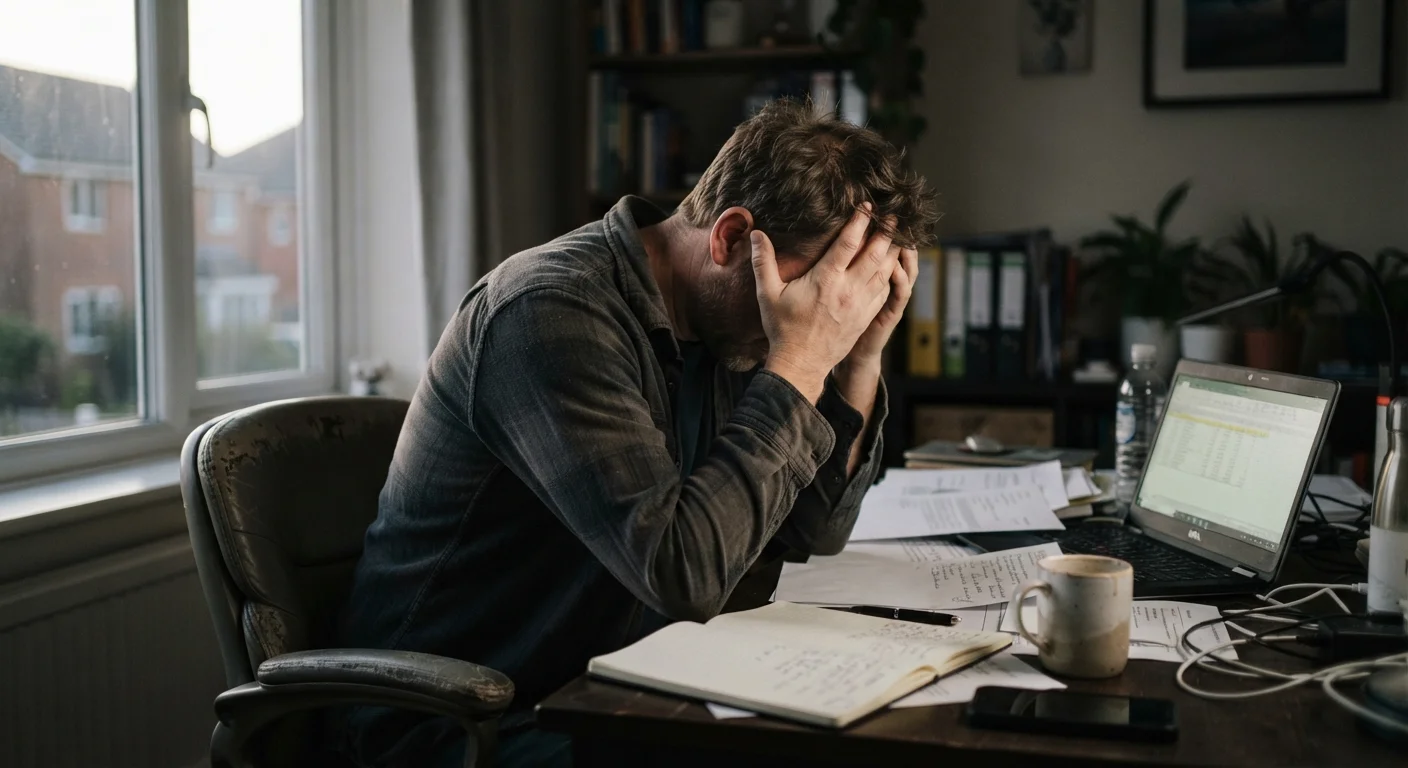
The Male Stress Response: More Than Just Mood
Most people associate stress with feelings of anxiety or overwhelm. But for men, chronic stress operates through deeply physical mechanisms that extend well beyond emotional discomfort. The body's stress-response system - anchored by hormones like cortisol and adrenaline - doesn't distinguish between a looming work deadline and a physical threat. It simply reacts, and when that reaction becomes a chronic baseline, the consequences accumulate.
Men are more likely than women to suppress acknowledgment of stress, which means physical symptoms often become the first signal something is wrong. Understanding what those symptoms signal - and why - is foundational to protecting long-term health.
Men and Women Respond Differently to Stress
Research suggests that men are more likely to exhibit a classic "fight-or-flight" stress response, while women more often show patterns associated with social bonding and connection-seeking. These differences appear to be influenced by both hormonal factors and socialization. For a look at how mental health conditions manifest differently across sexes, see our article on mental health conditions that disproportionately affect women.
Hormonal Disruption: The Cortisol-Testosterone Connection
One of the most significant - and least discussed - effects of chronic stress in men is its impact on testosterone. When the body perceives ongoing threat, the adrenal glands sustain elevated cortisol output. Research has shown that high cortisol levels can inhibit the hormonal signals required for testosterone production, potentially reducing levels over time.
Lower testosterone can contribute to reduced energy, decreased motivation, changes in body composition, diminished libido, and shifts in mood. These effects are often gradual, making it easy to attribute them to aging or lifestyle rather than stress. Men experiencing these changes without a clear cause should discuss them with a healthcare provider, who can evaluate hormone levels through straightforward testing.
This hormonal interplay also connects to sleep - cortisol disruption affects sleep architecture, and poor sleep further suppresses testosterone. For a deeper look at this cycle, see our article on sleep deprivation and men's health.
~3x
Men's higher rate of stress-related cardiovascular events
Research consistently shows men experience heart attacks at significantly younger ages than women, with chronic stress recognized as a contributing risk factor.
1 in 5
Men who report regularly using alcohol to manage stress
Survey data from multiple national health studies indicate stress-driven alcohol use is notably more common among men than women.
25-40%
Potential cortisol-related testosterone suppression
Laboratory and clinical research suggests sustained high cortisol levels can reduce testosterone output significantly, though the magnitude varies by individual.
Cardiovascular and Immune Consequences
The cardiovascular system bears a significant share of the burden when stress is chronic. Sustained activation of the sympathetic nervous system keeps blood pressure and resting heart rate elevated, promotes arterial inflammation, and alters how the body metabolizes fats and glucose. Men already carry a statistically higher baseline cardiovascular risk than premenopausal women, and chronic stress compounds that vulnerability in measurable ways.
Immune function is also affected. Studies suggest that chronic stress can shift immune activity in ways that increase susceptibility to infection while also promoting low-grade systemic inflammation - a known contributor to cardiovascular disease, metabolic disorders, and other chronic conditions. The immune effects of stress in men may differ somewhat from those in women, partly due to hormonal differences, though research in this area continues to evolve.
“Men are less likely to recognize stress as a medical issue and more likely to express it through physical complaints or behavioral changes. That makes early identification a particular challenge in men's health.”
— Robert Sapolsky, Neuroendocrinologist and author, Stanford University
Behavioral Responses: How Men Tend to Cope
Stress doesn't only act through biology - it shapes behavior, and those behavioral responses carry their own health risks. Men under chronic stress are statistically more likely to respond by increasing alcohol consumption, withdrawing socially, working compulsively, or taking physical risks. These patterns can delay recognition of the underlying problem and add independent health burdens of their own.
Our article on alcohol and men's health explores how patterns of consumption affect risk, which is directly relevant to stress-driven drinking. Similarly, cultural expectations around stoicism and self-reliance mean that stress often goes unacknowledged until it becomes a clinical issue. For context on how stigma shapes men's health decisions, see mental health stigma in men.
Talking to Your Doctor About Stress
If you're experiencing persistent fatigue, sleep changes, sexual dysfunction, or mood shifts, bring them up at your next appointment - even if you don't connect them to stress. A provider can help distinguish between stress-related effects and other underlying conditions. Being specific about what you're experiencing, and for how long, will help guide evaluation.
What Men Can Do - and When to Seek Help
General health strategies that support stress resilience - consistent physical activity, adequate sleep, balanced nutrition, and social connection - are well-supported by evidence. Nutritional priorities shift as men age, and so does the body's stress response, making it useful to revisit these foundations periodically.
Critically, none of these approaches replace professional evaluation when symptoms are significant. Persistent fatigue, sexual dysfunction, sleep disruption, chest tightness, or notable mood changes all warrant a conversation with a qualified healthcare provider. Stress-related conditions are treatable - but only when they're recognized and addressed.
This article is for general informational and educational purposes only and does not constitute medical advice. Always consult a qualified healthcare professional for concerns about your individual health or symptoms.
Frequently Asked Questions
Yes, research indicates that chronically elevated cortisol - the body's primary stress hormone - can interfere with testosterone production. This can result in fatigue, reduced libido, and mood changes. A healthcare provider can assess hormone levels if these symptoms are persistent.
Prolonged stress keeps blood pressure and heart rate elevated, contributes to inflammation, and can promote unhealthy coping behaviors like poor diet and excess alcohol use. Together, these factors meaningfully increase the risk of cardiovascular disease in men over time.
Research suggests men and women tend to show different physiological and behavioral responses to stress. Men are more likely to exhibit a "fight-or-flight" pattern, while women more often show a "tend-and-befriend" response. However, individual variation is significant.
Cultural norms and stigma around emotional vulnerability discourage many men from acknowledging or discussing stress. This delay in seeking support is associated with worse health outcomes. Understanding this barrier is an important first step toward change.
Physical signs can include headaches, disrupted sleep, digestive issues, chest tightness, and changes in sexual function. These symptoms are often overlooked or attributed to other causes, which is why stress frequently goes unaddressed in men.
Any man experiencing persistent physical symptoms - such as sleep disruption, chest discomfort, significant mood changes, or sexual dysfunction - should consult a qualified healthcare professional. Early evaluation can identify whether stress or an underlying condition is responsible.
The content on this site is for informational purposes only and is not a substitute for professional advice. Always consult a qualified professional for guidance specific to your situation.