

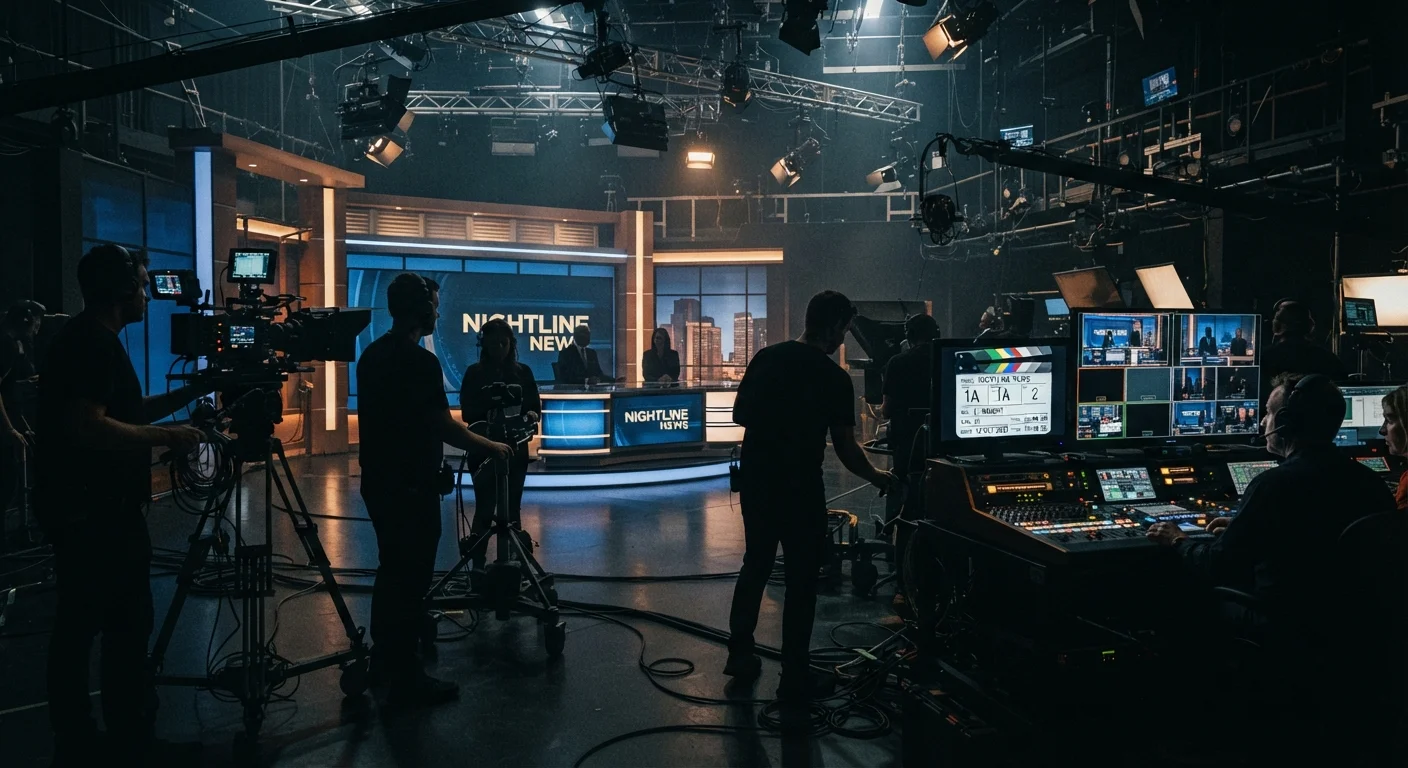
The Impossible Job of Episode One
No single piece of television carries more pressure per minute than a pilot. In roughly 45 to 60 minutes, a show must introduce its world, establish at least one compelling character, set a sustainable tone, and make a viewer care enough to press play on episode two. That's a staggering creative lift - and it explains why so many promising concepts stumble on arrival.
The decisions that determine a pilot's fate, however, are rarely made on set. They're made in writers' rooms, casting sessions, and network pitch meetings months before production begins. Understanding what those decisions are - and why they carry such weight - reveals a lot about how American television actually works. For a broader look at how the industry evolved to this pressure-cooker model, see how streaming transformed American viewing habits.
~40%
New shows cancelled within their first season
Industry analysts have historically observed that a large share of new broadcast series don't survive past their first season, reflecting how difficult the pilot-to-renewal pipeline truly is.
2-3 min
Window before streaming viewers decide to continue
Research into streaming viewer behavior suggests audiences often make a continue-or-quit decision within the first few minutes of a first episode, underscoring the pressure on cold opens.
$10M+
Cost of a prestige drama pilot
High-end drama pilots at major networks and premium streamers have been reported to cost upwards of ten million dollars - a financial stake that intensifies every creative decision made before production.
Casting: The Decision That Echoes Through Every Episode
Ask any showrunner what they'd change about a troubled pilot, and casting comes up almost immediately. The right actor doesn't just fill a role - they redefine it, adding dimensions the script never anticipated. The wrong one creates a ceiling the writing can't break through no matter how sharp the dialogue.
Casting is also where a pilot's tone gets locked in. A dramedy that casts comedic actors signals one set of audience expectations; the same script with dramatic heavyweights signals another. Mismatches between a show's written intent and its cast chemistry are among the most common reasons pilots test poorly with focus groups - audiences feel the disconnect even when they can't articulate it.
“The pilot is really a film about the series - it has to do all the work of a feature in half the time, and then promise there's more where that came from.”
— Shonda Rhimes, Television showrunner and creator of multiple long-running network series
Re-casting between pilot and series is more common than most viewers realize. Several major network shows have quietly replaced a lead or supporting actor before episode two, hoping audiences wouldn't notice the difference. Some didn't. Others never quite recovered.
The Structural Gambles Pilots Have to Make
Every pilot commits to a format - procedural, serialized, anthology, limited run - and that commitment shapes everything downstream. A procedural promises viewers a self-contained story each week; a serialized drama promises a payoff that may be seasons away. Choosing wrong, or blending the two without clear intention, leaves audiences unsure what they're signing up for.
Genre commitment matters just as deeply. A pilot that can't decide whether it's a thriller or a satire often ends up being neither. The shows that navigate this successfully tend to have a showrunner with a clear thesis statement for the series - one that every creative decision in episode one reflects. Format choices shape a story's entire ambition, and pilots are where that choice is first put to the test.
Watch the Pilot Twice Before Judging
If you're on the fence about a new show after episode one, consider giving it until episode three before making a final call. Many series take an episode or two to find their footing - especially serialized dramas with large ensemble casts. The pilot's job is to open the door; the show's real character often emerges shortly after.
What 'Success' Looks Like Now - and Why It Changed
In the broadcast era, a pilot's success was measured in overnight ratings. Today, the metrics are more layered and, in many cases, deliberately opaque. Streaming platforms track completion rates - what percentage of viewers who started episode one actually finished it. They track how quickly viewers move to episode two. They analyze rewatch behavior and time-of-day patterns. Raw viewership numbers are only part of the picture.
This shift has real consequences for how pilots are made. The traditional cold open - a dramatic hook before the title card - has become nearly universal because platforms know viewers make a go/no-go decision within the first few minutes. Shows that used to ease into their premise over three episodes now have to signal their value immediately. What keeps viewers glued episode after episode is now something creators must engineer starting from the pilot's very first scene.
For writers working within this framework, the creative constraints are intense. How American TV episodes actually get made reveals just how collaborative - and contested - these early decisions really are. A pilot isn't just a first impression. It's a contract, a thesis, and a promise - all in one hour or less.
Frequently Asked Questions
Networks monitor live viewership, social buzz, and critical response almost immediately after a pilot airs. If the numbers fall well below expectations and early reviews are poor, a cancellation can come quickly - sometimes before additional episodes even air. Budget overruns during pilot production can also accelerate the decision.
Yes, significantly. Streamers like Netflix often order a full season upfront without a traditional pilot process, meaning the first episode is already part of a completed run. However, they still track whether viewers finish episode one - a key internal metric for renewal decisions.
Absolutely. Several critically acclaimed shows had weak or tonally off pilots that the creative team course-corrected by episodes three or four. The challenge is that audiences increasingly need to be hooked immediately, especially with so many competing options.
A back-door pilot is an episode of an existing series that is secretly designed to launch a spin-off. The characters and world of the potential new show are introduced within the framework of the parent series, reducing financial risk while testing audience interest.
The development and production timeline for a pilot can range from several months to over a year, depending on complexity and network. Pre-production alone - casting, location scouting, set design - can take months before a single frame is shot.
Pilots are often made under unique conditions - higher budgets, different directors, and sometimes different cast members - that don't carry over into regular production. Lighting, pacing, and even character personalities frequently shift as the creative team finds the show's true rhythm.
The content on this site is for informational purposes only and is not a substitute for professional advice. Always consult a qualified professional for guidance specific to your situation.