

Start here
Why Americans Are Tuning In
Next
Subtitles vs. Dubbing: Which Should You Choose?
Then
Where to Start by Region and Genre
When you're ready
How to Stay in the Story
Build your habit
Building Your Watch List
Why Americans Are Tuning In
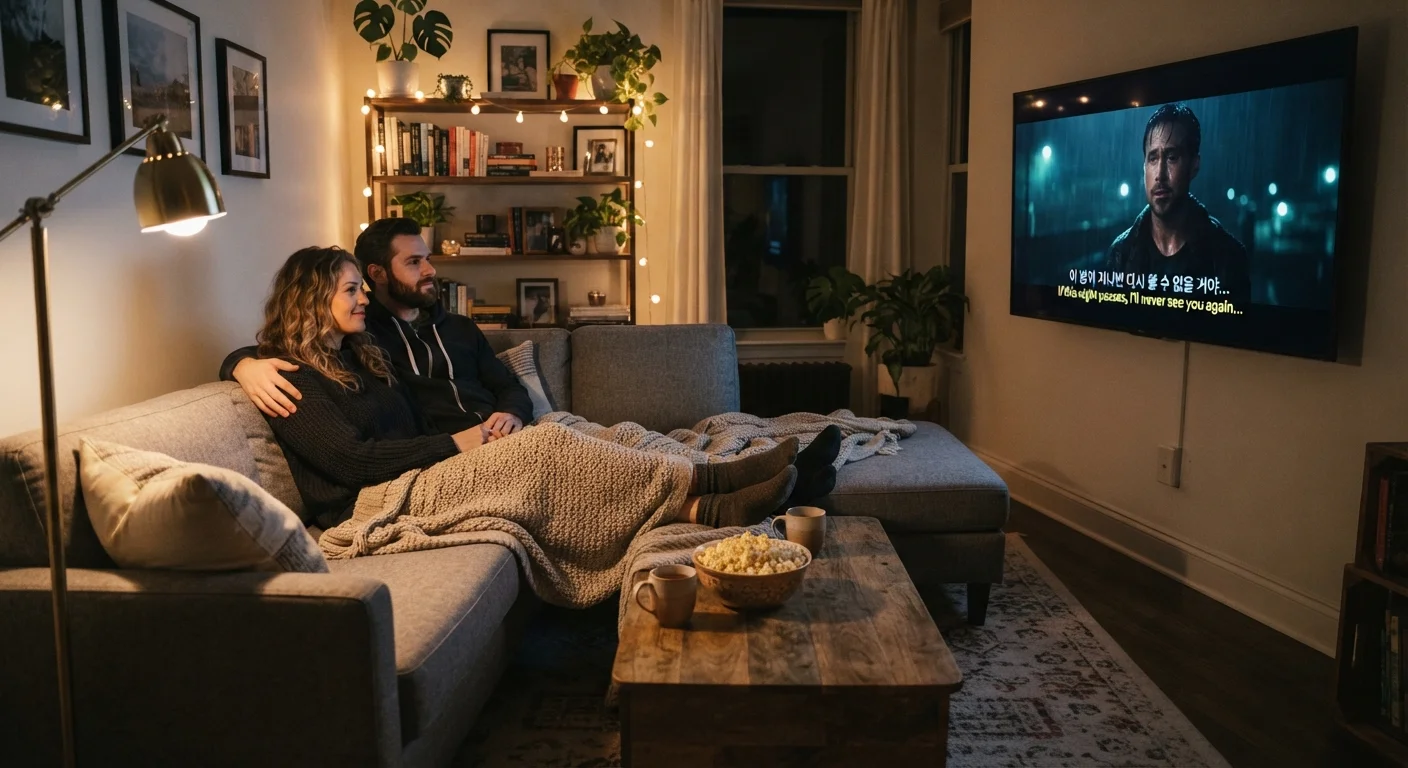
For decades, foreign-language film lived largely in art-house theaters and college syllabi. That changed decisively when global streaming brought subtitled series and movies into the same interface as domestic content. American audiences discovered that stories don't require an English voice track to be gripping - and the viewing data confirmed it at scale.
The cultural appetite isn't just about novelty. Foreign productions routinely explore class tension, political history, and family dynamics through frameworks that feel genuinely fresh compared to Hollywood defaults. They also reflect realities that matter to the tens of millions of Americans whose heritage connects them to other languages and traditions. Understanding what those stories are doing - and how they do it - is part of a broader conversation about representation on screen that's reshaping how the industry thinks about storytelling.
Subtitles
Text displayed on screen that translates spoken dialogue from the original language into the viewer's language, while the original audio plays unchanged.
Dubbing
A process where the original spoken dialogue in a film or TV show is replaced with a new voice track recorded in a different language, typically to match the actors' lip movements.
Arthouse cinema
A style of filmmaking that prioritizes artistic expression, unconventional storytelling, and thematic depth over mainstream commercial appeal. Often associated with slower pacing and ambiguous narratives.
Genre convention
The set of shared storytelling expectations associated with a particular genre - like jump scares in horror or courtroom twists in legal drama - which can vary significantly between countries and cultures.
Prestige drama
High-production-value dramatic television or film recognized for its writing quality, acting, and cinematic ambition. Often associated with award recognition and serious thematic content.
Subtitles vs. Dubbing: Which Should You Choose?
This debate is lively in every fan community, and the short answer is: both work, for different reasons. Subtitles display translated text at the bottom of the screen while the original audio plays. You hear the actor's real voice - every hesitation, every emotional inflection - which creates a more direct connection to the performance. The trade-off is divided attention: your eyes split between reading and watching.
Dubbing replaces the original voice track with an English-language recording. The visual experience becomes frictionless, but you lose the tonal qualities of the original performance, and lip sync is rarely perfect. Quality varies widely - some productions invest in exceptional dubbing casts; others feel flat.
Try the two-episode rule
Give every new foreign-language series at least two full episodes before deciding whether it's for you. International productions often establish mood and character more gradually than US network TV, and first episodes can be deliberately slow-burn. The payoff usually arrives once the world is properly set up.
A practical middle path: start a series with dubbing to orient yourself to the story and characters, then switch to subtitles once you're comfortable. Many platforms let you toggle between options mid-series.
Where to Start by Region and Genre
Not all foreign cinema feels equally approachable to American first-timers, and choosing a smart entry point matters.
- South Korea - Korean cinema blends genre storytelling (thriller, horror, crime drama) with biting social commentary. The pacing is dynamic, performances are intense, and production values rival Hollywood. Genre enthusiasts often find this the easiest leap.
- Spain and Latin America - Spanish-language productions range from tightly plotted crime series to sprawling family sagas. Cultural references land more readily for a large segment of the US audience, and the emotional register tends to be vivid and immediate.
- France and Italy - European arthouse traditions are alive here, but so is accessible genre work. French crime drama and Italian historical productions have both built strong US followings via streaming.
- Japan - Anime is the obvious gateway, but Japanese live-action drama and film offer rich alternatives. Genre conventions differ substantially from the West, making the viewing experience genuinely eye-opening.
It's also worth noting that foreign productions often mix genres in ways that parallel what's happening in domestic TV - a phenomenon explored in depth in our look at genre crossovers in modern TV.
Letterboxd
A social film diary and discovery platform where users log, rate, and review movies. Its lists feature is especially useful for finding curated foreign-language film recommendations by country or genre.
Kanopy
A free streaming service available through most US public libraries offering a deep catalog of international and arthouse cinema - no subscription fee required, just a library card.
MUBI
A curated streaming platform focused on international and independent cinema, rotating a handpicked selection of films. Particularly strong for European and South American titles with editorial context.
How to Stay in the Story
The biggest early challenge isn't the language - it's the cognitive load of reading while watching. A few habits help.
First, eliminate distractions. Foreign-language viewing rewards full attention in a way that background-friendly domestic TV doesn't always demand. Second, resist the urge to rewind constantly. Trust that context will fill gaps; dialogue nuance you missed often becomes clear within a scene or two. Third, give a series at least two or three episodes before judging pacing. Many international productions build more slowly than US network TV, paying off later.
Beware of poor subtitle translations
Not all subtitle tracks are created equal. Machine-translated or rush-localized subtitles can strip out nuance, humor, and cultural references that the original dialogue contains. If a series feels oddly flat or confusing, it may be a translation issue rather than the show itself. Seeking out fan-translated or professionally localized versions, where available, can make a real difference.
Cultural context can deepen your experience considerably. A brief read about the country's history or social landscape before watching a prestige drama often unlocks references that might otherwise pass unnoticed. It's not homework - it's just good viewing prep.
Building Your Watch List
A sustainable habit beats an ambitious binge. Committing to one foreign-language film or one episode of a foreign series per week builds familiarity quickly - within a month or two, your eye adjusts to subtitles, your ear starts picking up tonal patterns, and unfamiliar story structures start feeling like assets rather than obstacles.
Curate from multiple regions rather than drilling deep into one. Variety exposes you to different pacing conventions, visual styles, and genre norms, which makes you a more flexible and perceptive viewer overall. It also connects to a broader question about what stories get told and who tells them - something representation-focused criticism has been examining closely in recent years.
Finally, consider how foreign films reach US audiences in the first place. The path from production to your screen involves meaningful decisions about theatrical and streaming distribution, a process worth understanding - see our explainer on theatrical release vs. streaming premiere for the full picture.
Frequently Asked Questions
Not at all. Subtitles and dubbing make virtually every major foreign-language title accessible to English speakers. Many viewers find that emotional cues in performance and music cross language barriers effortlessly, even before you read a single subtitle.
It depends on your preference. Subtitles keep you connected to the original vocal performances and help you pick up rhythm and tone; dubbing lets you focus entirely on the visuals. Most experienced fans of foreign content prefer subtitles, but either format is a legitimate way in.
Major US streaming services carry substantial foreign-language libraries. Public libraries also offer free DVD and streaming access to international titles through services like Kanopy and Hoopla - often without a subscription.
South Korean film and TV have proven especially resonant with American audiences, blending genre storytelling with sharp social commentary. Spanish-language productions from Spain and Latin America are another highly accessible entry point, covering everything from crime drama to surreal comedy.
Genre labels overlap but don't map perfectly across cultures. A Korean thriller often layers melodrama and dark social critique in ways that feel unfamiliar to viewers raised on Hollywood pacing. French comedies frequently use irony and restraint where US comedies favor bigger, broader laughs.
Absolutely, with age-appropriate curation. Many foreign animated films and family dramas are rated and labeled similarly to US content on major platforms. Check the platform's content ratings and read brief synopses first, as content standards vary by country.
The content on this site is for informational purposes only and is not a substitute for professional advice. Always consult a qualified professional for guidance specific to your situation.