

Summary
22 items · 20-40 minutes
Why Most Home Gyms Underperform Expectations
Home gym equipment is one of the most reliably optimistic purchases people make. The treadmill that becomes a clothes rack, the weight set collecting dust in a corner - these clichés exist because the purchase decision usually focuses on what to buy rather than whether the setup will actually get used.
The checklist below forces the questions that matter before you spend anything. Work through it methodically - some answers will surprise you, and a few may change your approach entirely. For broader context on how training modalities affect long-term health outcomes, see our strength vs. cardio breakdown. And if you're weighing a home gym against group classes or a gym membership, this comparison of solo vs. group training covers the trade-offs honestly.
Space Assessment
Training Goals and Habits
Budget and True Cost
Equipment Fit and Versatility
Safety and Setup
Tools and Resources to Work Through This Checklist
You don't need much to answer these questions well, but a few basic tools make the process faster and more reliable.
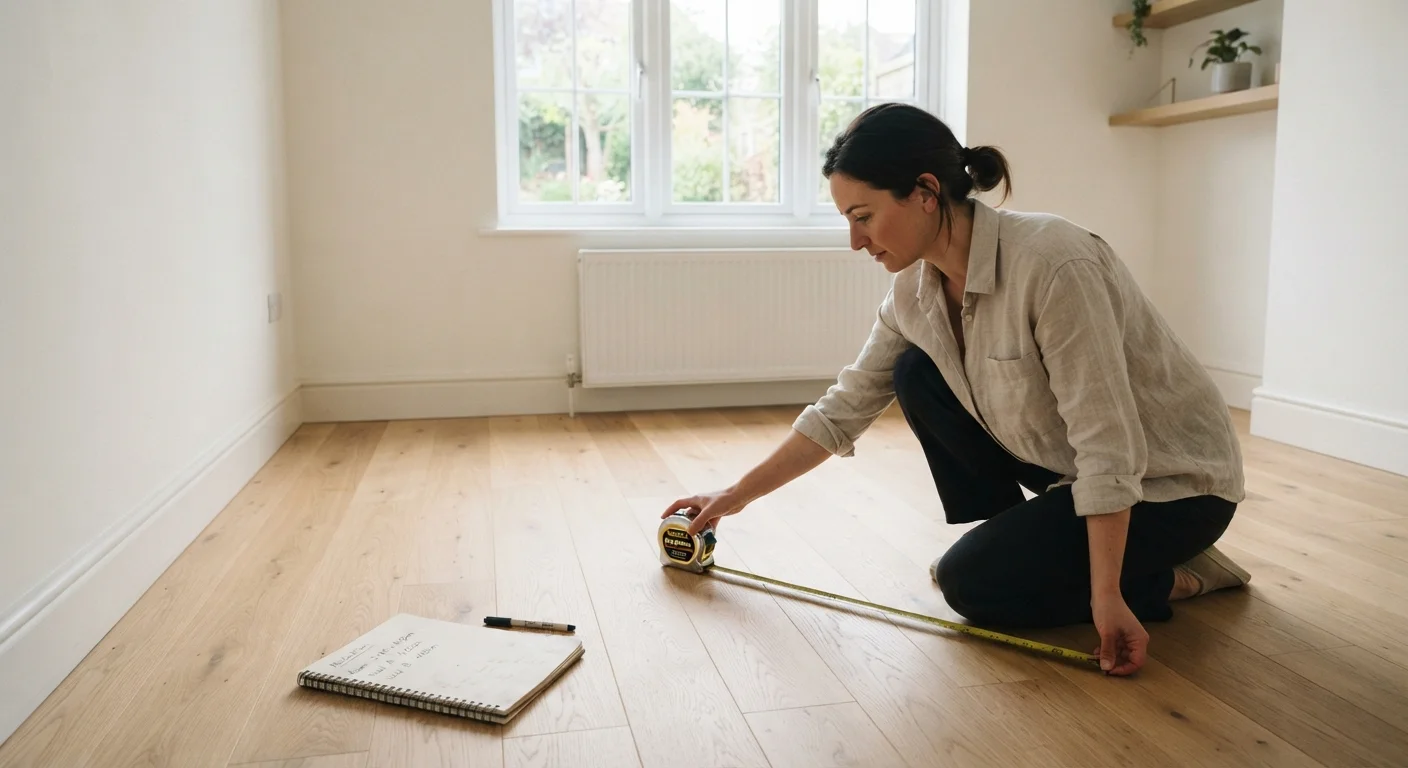
Tape measure
Accurately measure floor area, ceiling height, and clearance zones before committing to any equipment dimensions.
Graph paper or free room-planning app
Sketch a scaled floor plan to visualize how equipment fits and moves within your available space.
Notepad or digital notes app
Record your answers to each checklist item so you can review the full picture before making any purchase decisions.
Bathroom scale or postal scale
Weigh existing equipment or accessories if you're building on what you already own and need to calculate floor load.
What to Do With Your Answers
Once you've worked through the checklist, a pattern usually emerges. Tight space and a mixed cardio-strength goal often point toward a set of adjustable dumbbells, a pull-up bar, and a quality mat - a simple setup that gets used. A dedicated room, a strength-focused goal, and a larger budget open up more options, but also more ways to overspend on redundancy.
Structural and Safety Work Needs a Professional
If your home gym plans involve wall anchoring, load-bearing floor reinforcement, or electrical work for treadmills and cable machines, these are not DIY tasks. Consult a qualified contractor and verify whether permits are required in your jurisdiction before proceeding. Skipping this step creates both safety hazards and potential home insurance complications.
One financial note: a home gym is a capital purchase, and larger setups can run into the thousands of dollars. If that would require financing or pulling from savings earmarked for other priorities, it's worth pausing. The financial readiness checklist offers a useful framework for thinking about competing priorities before committing to a major discretionary expense. Fitness spending fits into a broader financial picture - it shouldn't crowd out more foundational goals.
Revisit this checklist any time your living situation, schedule, or training focus changes. The right setup at one stage of life may not be the right setup two years later, and being willing to re-evaluate beats holding onto equipment that no longer serves you.
Secondhand Equipment Requires Extra Verification
Used cardio machines and cable systems can carry hidden wear - frayed cables, cracked welds, and degraded belts are common and not always visible. If buying secondhand, inspect in person, test under load, and research parts availability before committing. A low purchase price is not a savings if repairs are extensive or replacement parts are discontinued.
The content on this site is for informational purposes only and is not a substitute for professional advice. Always consult a qualified professional for guidance specific to your situation.