

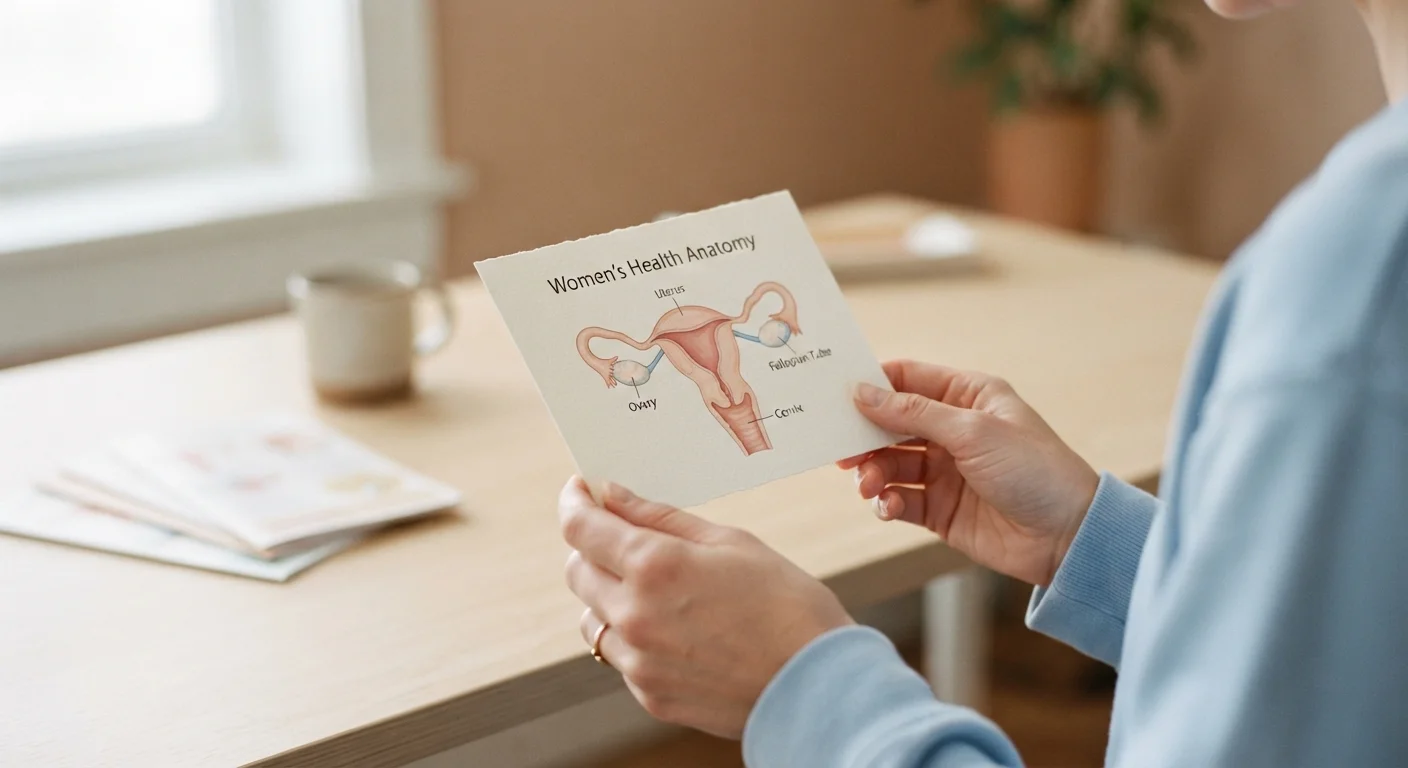
Why PCOS Is So Frequently Misunderstood
Polycystic ovary syndrome (PCOS) is one of the most common hormonal conditions affecting people with ovaries, estimated to affect roughly 1 in 10 women of reproductive age worldwide. Despite its prevalence, it is surrounded by persistent myths that delay diagnosis, discourage care-seeking, and add unnecessary shame or anxiety to what is already a complex condition to navigate.
Misinformation about PCOS circulates widely - in social media communities, among well-meaning friends and family, and sometimes even in clinical settings where training on reproductive endocrinology varies. Understanding what the evidence actually shows can help individuals advocate for themselves and make better-informed decisions in partnership with their healthcare team.
This article addresses the most common misconceptions head-on. For a comparable look at how myths distort another frequently misunderstood women's health condition, see our plain-language introduction to endometriosis.
Myth
PCOS means you definitely have cysts on your ovaries.
Fact
The name is misleading. PCOS does not require the presence of ovarian cysts, and what appears on ultrasound are follicles, not true cysts.
The term "polycystic" creates a common and understandable confusion. What ultrasound imaging shows in many people with PCOS are multiple small follicles - fluid-filled sacs containing immature eggs - not pathological cysts. These follicles are present because ovulation is irregular or absent. Crucially, the Rotterdam Criteria (the most widely used diagnostic framework) do not require ovarian morphology on ultrasound for a diagnosis; irregular ovulation and elevated androgens alone can be sufficient. Someone can be diagnosed with PCOS without any ultrasound finding at all.
Myth
PCOS only affects overweight women.
Fact
PCOS occurs across all body types and weight ranges. A significant proportion of people with PCOS have a BMI in the "normal" range.
Research consistently shows that PCOS affects individuals across the full spectrum of body weight. Estimates suggest that between 20% and 30% of people diagnosed with PCOS have a BMI classified as within a "normal" range - a presentation sometimes called "lean PCOS." While excess body weight can exacerbate certain metabolic features of PCOS (such as insulin resistance), it is neither a cause nor a prerequisite. This misconception can cause lean individuals to be overlooked in clinical settings, and it unfairly stigmatizes those who are overweight as having caused their own condition.
Myth
PCOS means you will not be able to get pregnant.
Fact
PCOS affects fertility in some people, but the majority of those with PCOS who want to conceive are able to do so, often with medical support.
Irregular ovulation - a hallmark of PCOS - can make conception more challenging and unpredictable. However, "more challenging" is not the same as impossible. Many people with PCOS conceive naturally; others benefit from ovulation induction medications or assisted reproductive technologies. Fertility outcomes depend on many individual factors, including age, overall health, and the presence of other conditions. Blanket statements about PCOS and infertility cause considerable distress and are not supported by the overall body of evidence. A reproductive endocrinologist or fertility specialist is the right resource for personalized guidance.
Myth
If you have regular periods, you cannot have PCOS.
Fact
Some people with PCOS have regular menstrual cycles. Hormonal imbalances associated with PCOS can exist even without obvious cycle irregularity.
While irregular, infrequent, or absent periods are among the most recognized symptoms of PCOS, they are not universal. A subset of individuals with PCOS - sometimes estimated at around 20-30% - have cycles that appear regular on the calendar but may still not involve consistent ovulation (a phenomenon called anovulatory cycles). Additionally, elevated androgens and other hormonal markers can be present without menstrual disruption. This is one reason why symptoms alone are insufficient for diagnosis, and why clinical evaluation - including blood tests and potentially ultrasound - is essential.
Myth
Losing weight will cure PCOS.
Fact
Weight loss may improve some PCOS-related symptoms in some individuals, but it does not eliminate the underlying hormonal condition.
PCOS is a lifelong hormonal disorder. While research does indicate that weight reduction can improve insulin sensitivity and may restore more regular ovulation in some people with PCOS who are overweight, these are symptom improvements - not a resolution of the condition itself. Individuals who lose weight can remain hormonally affected by PCOS. Moreover, framing weight loss as a "cure" places an unfair burden on individuals and can distract from other evidence-based management strategies. For lean individuals with PCOS, this framing is simply inapplicable.
This article is for general informational and educational purposes only and does not constitute medical advice. Always consult a qualified healthcare professional for diagnosis, treatment, or any personal health decisions.
What the Evidence Says About PCOS Management
Correcting myths is only part of the picture. Understanding what current evidence does support helps individuals with PCOS engage more productively with their care.
~10%
Estimated global prevalence of PCOS
The World Health Organization estimates PCOS affects approximately 8-13% of people of reproductive age worldwide, making it one of the most common hormonal conditions.
70%
Proportion of PCOS cases estimated to be undiagnosed
Research published in reproductive health literature suggests up to 70% of individuals with PCOS remain undiagnosed, often due to symptom variability and clinical underrecognition.
20-30%
People with PCOS who are of "normal" weight
Studies indicate a substantial minority of PCOS cases occur in individuals with a BMI in the normal range, a group often overlooked in clinical and public health messaging.
Clinical guidelines from bodies such as the Endocrine Society and the American College of Obstetricians and Gynecologists (ACOG) recognize PCOS as a diagnosis of exclusion - meaning other conditions must be ruled out before the label is applied. Diagnosis typically draws on the Rotterdam Criteria, which require at least two of three features: irregular or absent ovulation, elevated androgens (male-type hormones), and polycystic ovarian morphology on ultrasound.
Management is highly individualized. Hormonal contraceptives, insulin-sensitizing medications, and other interventions may be discussed depending on a person's specific symptoms and reproductive goals - decisions best made collaboratively with a qualified provider. Physical activity and dietary patterns are often discussed as supportive strategies that may help manage some metabolic features of PCOS, though they are not standalone treatments.
Unproven Supplements and 'Natural Cures'
A wide range of supplements and dietary protocols are marketed specifically to people with PCOS, often with claims that are not supported by robust clinical evidence. Some supplements may interact with medications or affect hormone levels in unpredictable ways. Always discuss any supplement or alternative remedy with your healthcare provider before starting, rather than relying on anecdotal reports or social media recommendations.
Just as myths distort understanding of other health areas - from cancer misconceptions to fitness beliefs - the myths surrounding PCOS can have real consequences for people's health decisions. Seeking care based on accurate information is a meaningful first step.
The content on this site is for informational purposes only and is not a substitute for professional advice. Always consult a qualified professional for guidance specific to your situation.