
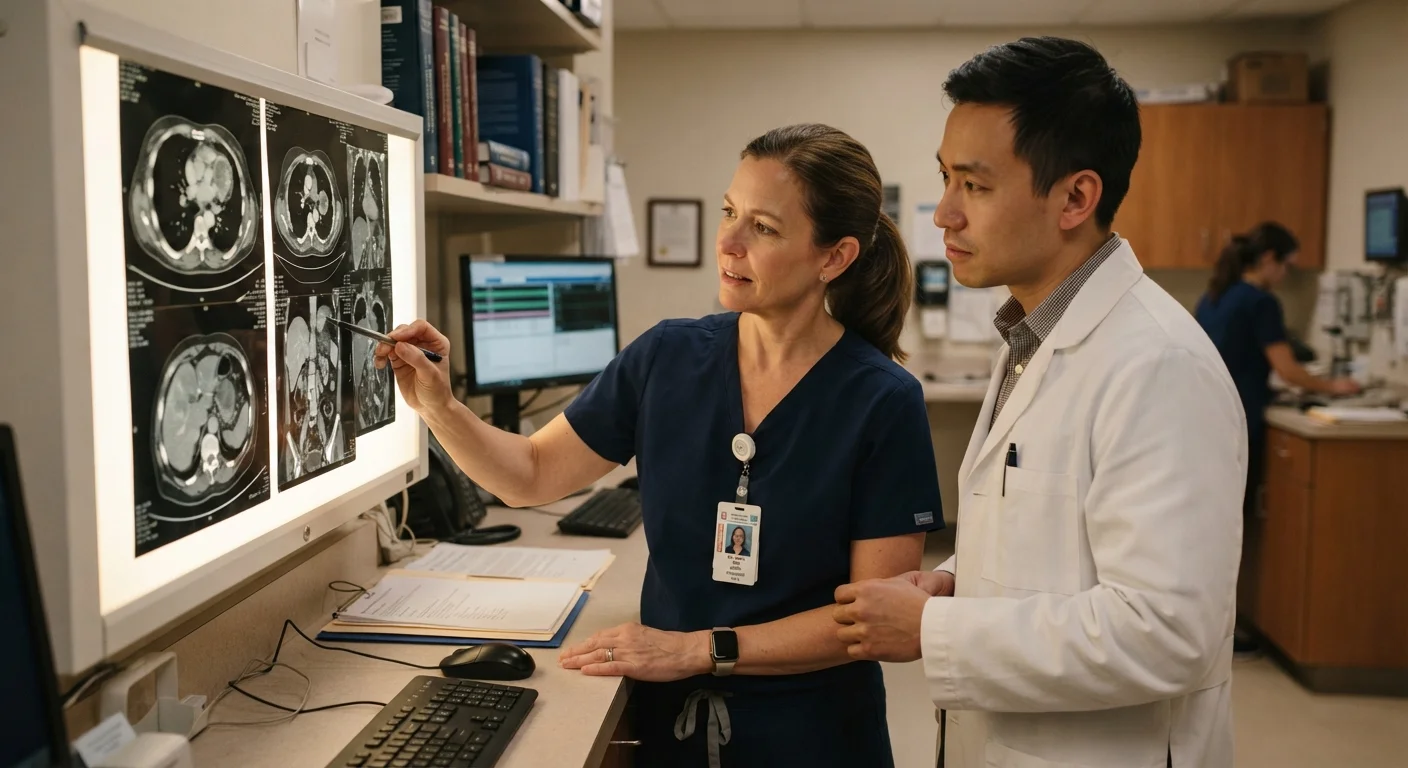
Our Verdict
For most cancer patients, seeking a second opinion is a medically sound and widely supported step - not an act of doubt, but one of informed self-advocacy. The potential benefits, including confirmation of diagnosis, exposure to additional treatment options, and access to clinical trials, generally outweigh the modest inconvenience involved. The process is not without limitations, including potential delays and emotional demands, but these are usually manageable.
This approach is especially valuable for patients facing a rare or complex diagnosis, an aggressive recommended treatment, or simply a strong need for confidence before committing to a care plan.
Why Oncology Is Uniquely Suited to Second Opinions
Cancer diagnosis and treatment are among the most consequential decisions a person will ever face. Unlike many medical conditions where treatment pathways are well-standardized, oncology involves significant complexity: tumor subtyping, molecular profiling, staging nuance, and a rapidly expanding range of therapies. Two equally qualified oncologists reviewing the same case can sometimes reach different - and both defensible - conclusions.
Studies published in peer-reviewed journals have found that second opinions in oncology result in meaningful changes to diagnosis or treatment recommendations in a substantial proportion of cases. A frequently cited study from a major cancer center found that roughly 15-20% of referred cases involved a significant change in diagnosis, and an even larger share saw some modification to the proposed treatment plan.
This isn't an indictment of any individual oncologist. It reflects the genuine complexity of the field. See our questions worth asking your oncologist to help you engage more fully with any care team, first or second.
Can confirm or correct the original diagnosis
Pathology interpretation, particularly for rare or borderline tumors, carries inherent variability. A second pathologist reviewing the same tissue sample may identify a different subtype, which can materially alter the treatment approach.
May reveal additional treatment options
Different oncologists have different areas of subspecialty expertise. A second opinion at a comprehensive cancer center may surface options - including targeted therapies, immunotherapies, or clinical trials - that weren't on the original table.
Builds patient confidence before major treatment
When two independent experts agree, patients can move forward with significantly greater peace of mind. That sense of informed certainty is not trivial when facing surgery, chemotherapy, or radiation.
Rarely causes clinically significant delays
For most cancer types, taking one to three weeks to gather records and consult a second oncologist does not meaningfully affect outcomes. Exceptions exist for very aggressive cancers; discuss timing with your primary oncologist.
Supported - and often encouraged - by oncologists themselves
Major cancer organizations and most practicing oncologists openly endorse second opinions. Patients should feel no obligation to conceal the process from their primary care team.
Potential Drawbacks to Consider
Second opinions are broadly beneficial, but they are not without real-world complications. Understanding the trade-offs helps patients make an informed decision rather than an impulsive one.
Can introduce logistical burden and time pressure
Gathering records, scheduling appointments, and potentially traveling to a specialist center takes time and effort - resources that are already stretched for many patients and caregivers. See guidance on supporting a loved one through cancer treatment if caregiver bandwidth is a concern.
Conflicting opinions can cause confusion and anxiety
When two experienced oncologists recommend different treatments, the burden of navigating that disagreement falls on the patient. Without strong medical literacy or a patient advocate, this can be overwhelming.
Insurance coverage is not universal or guaranteed
While most major insurers cover oncology second opinions, coverage details vary by plan, and out-of-network consultations at specialized cancer centers can generate unexpected costs. Verifying coverage before the appointment is essential.
May not always be feasible for rapidly progressing cancers
For certain aggressive malignancies where treatment must begin urgently, the window for a full second opinion may be narrow or clinically inadvisable. Always discuss timing explicitly with your oncologist.
When to Prioritize Speed Over a Second Opinion
For most solid tumors and hematologic cancers, a brief delay to obtain a second opinion does not worsen prognosis. However, certain rapidly progressing conditions - such as some leukemias or high-grade lymphomas - may require prompt initiation of treatment. Ask your oncologist directly: 'Is there a medical reason I should not take two to three weeks to seek a second opinion?' Their answer will help you calibrate urgency appropriately.
It's also worth acknowledging the emotional dimension. Receiving a second opinion that contradicts the first can be disorienting - even when it's ultimately helpful. The emotional landscape of a cancer diagnosis is already turbulent, and conflicting medical guidance can add to that burden. Having a support system in place before pursuing a second opinion is worthwhile.
What Patients Commonly Find - and What to Do With It
When patients receive second opinions in oncology, outcomes generally fall into three categories: full confirmation of the original plan, minor refinements (such as adjusted staging or modified drug dosing), or more substantial changes (a different primary diagnosis, a recommended switch in treatment modality, or eligibility for a clinical trial not previously identified).
Full confirmation - the most common outcome - is itself valuable. Patients who proceed with treatment knowing two independent expert teams reached the same conclusion tend to engage more confidently with their care. That psychological clarity has real merit.
~17%
Cases with significant diagnostic change after second opinion
Research published in oncology literature consistently estimates meaningful diagnostic revisions occur in roughly 15-20% of second opinion referrals at major cancer centers.
>50%
Cases where treatment plan is refined or altered
Some institutional studies report that more than half of second opinion consultations result in at least some modification to the originally proposed treatment strategy.
When recommendations do diverge, patients should feel empowered to discuss the discrepancy openly with both physicians. Most oncologists are accustomed to this conversation and will not take it as adversarial. If significant disagreement persists, a third opinion or multidisciplinary tumor board review may be appropriate. To address common fears about the process, it's also worth reviewing cancer myths that still mislead patients - including the misconception that seeking more information somehow worsens outcomes.
Practically speaking, patients should request copies of all pathology slides, imaging, lab results, and surgical or biopsy reports before the second appointment. Many comprehensive cancer centers now offer remote second opinions that don't require travel. Insurance coverage varies, but most major insurers cover oncology second opinions - contact your plan directly to confirm. For more on managing the financial side of cancer care, see navigating cancer costs.
This article is for general informational and educational purposes only and is not a substitute for professional medical advice, diagnosis, or treatment. Always consult a qualified healthcare provider with questions about your specific health situation.
The content on this site is for informational purposes only and is not a substitute for professional advice. Always consult a qualified professional for guidance specific to your situation.