

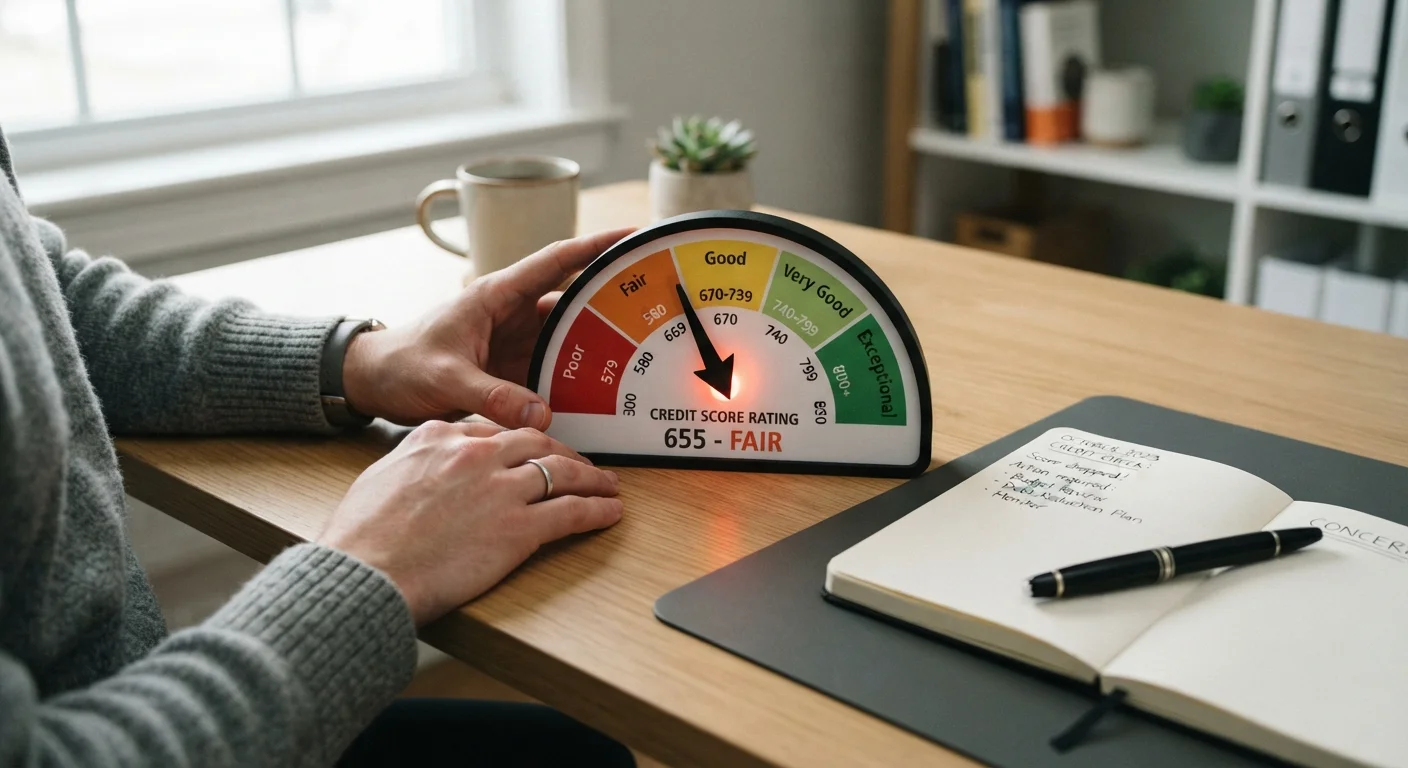
How Good Credit Gets Quietly Damaged
A credit score isn't a static number - it responds month by month to how you use credit. Most consumers know that paying bills late is harmful, but score erosion often happens gradually through habits that seem minor or even sensible at the time.
Understanding what drives your score is the first step. Most widely used scoring models weigh five general categories: payment history, amounts owed (including utilisation), length of credit history, new credit inquiries, and credit mix. For a plain-language breakdown of these terms, see our credit and debt glossary.
The mistakes below don't require dramatic events like bankruptcy or default - they accumulate quietly over time and compound. Recognising them is the clearest path to protecting a score you've worked to build.
Making late or missed payments on credit accounts.
Why it happens: Busy schedules and multiple due dates make it easy to overlook a bill, especially when finances feel stable and automatic tracking isn't in place.
Consistently using a high percentage of available credit - also called a high utilisation ratio.
Why it happens: Many consumers don't realise how heavily credit utilisation is weighted, and may carry large balances as a normal part of managing monthly cash flow.
Applying for several new credit accounts in a short period.
Why it happens: Promotional offers, retailer financing deals, and the search for better terms can lead consumers to submit multiple applications without realising each generates a hard inquiry on their report.
Closing old or unused credit card accounts.
Why it happens: Closing an account you rarely use seems like tidy financial housekeeping, but it can reduce your total available credit and shorten the average age of your accounts - both of which affect your score.
Ignoring errors and inaccuracies on your credit report.
Why it happens: Monitoring credit reports is easy to defer when finances feel under control - but errors from lenders, outdated information, or mixed files can lower a score without any financial misstep on your part.
Patterns Worth Watching Across Your Credit Profile
Beyond individual mistakes, it helps to think about credit as a long-term profile rather than a single snapshot. Two areas that consumers frequently underestimate are credit age and utilisation.
35%
Weight of payment history in FICO scoring
According to FICO, payment history is the single largest component of a standard FICO credit score.
30%
Weight of amounts owed (utilisation) in FICO scoring
FICO's published scoring framework identifies amounts owed - closely tied to utilisation - as the second-largest scoring factor.
Closing an account you opened years ago doesn't just remove a card - it can shorten the average age of your credit history and erase available credit that kept your utilisation low. The relationship between account age and your score is explored in detail in why a long credit history matters. Similarly, if you want to understand exactly how utilisation is calculated and why lenders watch it closely, understanding your credit utilisation ratio covers the mechanics clearly.
Common Myths Can Compound the Damage
Several widespread misconceptions lead consumers to make credit decisions that backfire - for example, believing that checking your own score harms it, or that a higher income automatically improves credit. These myths are addressed directly in credit score myths that quietly hurt consumers. Acting on misinformation can turn a manageable score into a persistently low one.
If you suspect your report contains inaccurate information dragging your score down, the process for challenging it is straightforward. Disputing errors on your credit report walks through the formal dispute process and what to realistically expect. For broader habits that support a healthy score over time, managing credit responsibly over time offers practical, stage-by-stage guidance.
This article provides general financial education only and is not personalised financial or credit advice. Consult a qualified financial professional for guidance specific to your situation.
The content on this site is for informational purposes only and is not a substitute for professional advice. Always consult a qualified professional for guidance specific to your situation.