

Option A
Zero-Based Budgeting
The meticulous, dollar-by-dollar spending plan.
Best for: People who want granular control over every expense and are willing to invest time each month rebuilding their plan from scratch.
Option B
The 50/30/20 Method
The streamlined, percentage-based framework.
Best for: People who want a simple, flexible structure without tracking every individual transaction line by line.
How Each Method Works
Understanding the mechanics of each approach makes it easier to choose one that fits your life - or decide to blend elements of both.
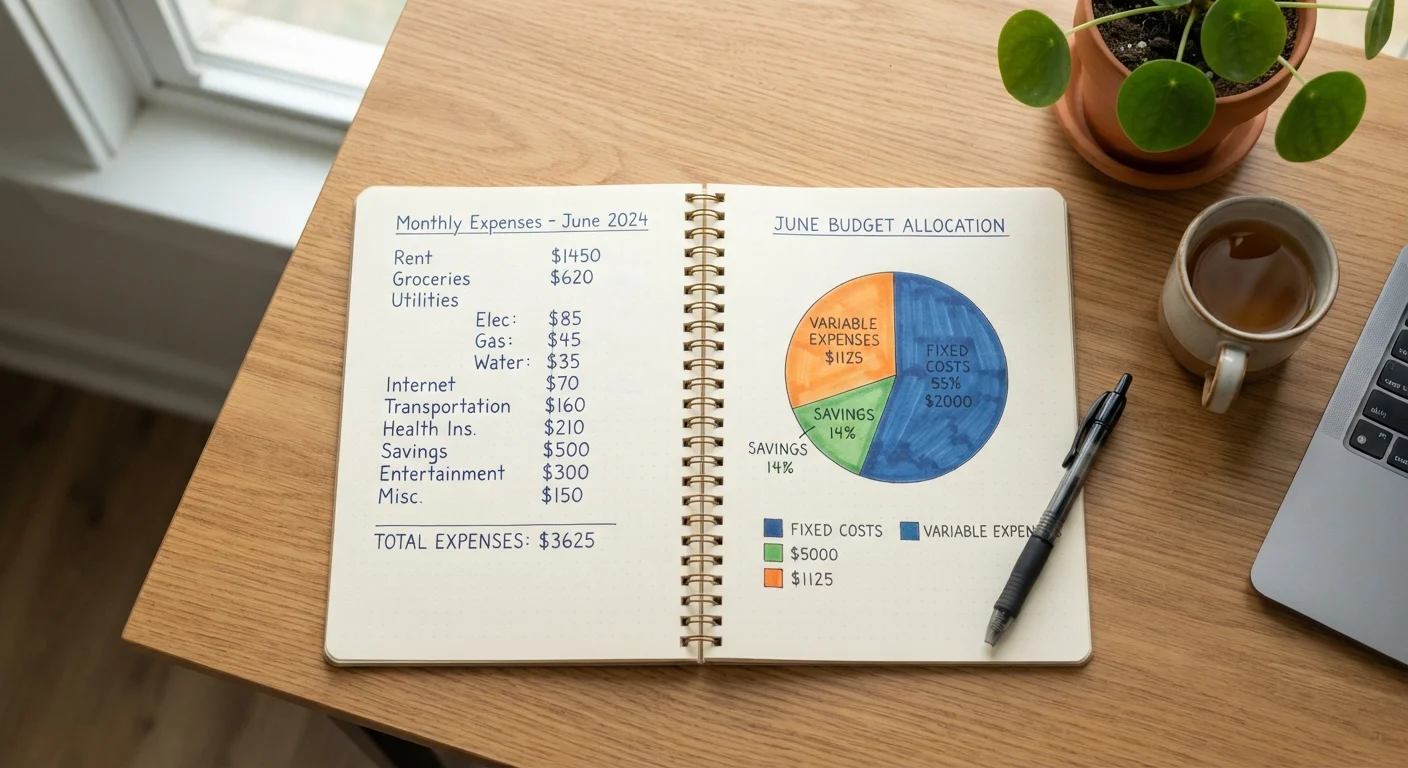
Zero-based budgeting (ZBB) starts with your monthly income and assigns every dollar to a category - housing, groceries, transportation, savings, entertainment - until income minus expenses equals zero. Nothing is left unaccounted for. Each month, you rebuild the plan based on that period's actual income and anticipated costs. The term "zero-based" refers to the budget balance reaching zero, not your bank account.
The 50/30/20 method divides after-tax income into three broad buckets: 50% toward needs (rent, utilities, food, minimum debt payments), 30% toward wants (dining out, subscriptions, hobbies), and 20% toward savings and debt repayment beyond minimums. The percentages serve as targets, not rigid rules. For a deeper look at how those categories are defined, see The 50/30/20 Rule Explained.
| Criterion | Zero-Based Budgeting | 50/30/20 Method |
|---|---|---|
| Core structure | Every dollar assigned to a category | Income split by percentage |
| Setup time | Higher - rebuilt each month | Lower - set targets once |
| Day-to-day tracking | Active, ongoing tracking required | Periodic review usually sufficient |
| Flexibility | Adjusts monthly to actual income | Fixed ratios can feel rigid on variable income |
| Best income type | Variable or irregular income | Stable, predictable salary |
| Level of detail | Line-item granularity | Broad category buckets |
| Learning curve | Steeper for beginners | Gentle - easy to start |
Effort, Flexibility, and Day-to-Day Use
The practical experience of using each method differs significantly - especially in the first few months.
Zero-based budgeting requires you to track spending throughout the month and reconcile it against your plan. If an unexpected expense appears, you must move money from another category consciously. This visibility is its main strength, but it also demands discipline. Many people use a spreadsheet or dedicated app to manage the detail. For a comparison of tracking tools, see how pen-and-paper, spreadsheet, and app-based methods compare.
The 50/30/20 method is easier to run on autopilot. Once you understand which expenses land in which bucket, a quick monthly review is often enough. The trade-off is less precision: a large "wants" category can mask individual spending habits that might benefit from closer attention.
~74%
Americans living paycheck to paycheck at some point
Various workforce surveys over recent years have consistently found that a large share of U.S. adults report difficulty covering expenses between pay periods, underscoring why a clear budgeting structure matters.
1 in 3
Adults with no written budget or spending plan
NFCC (National Foundation for Credit Counseling) consumer surveys have repeatedly found that a significant proportion of U.S. adults do not track spending in any structured way.
If you've never built a budget before, the 50/30/20 framework offers a lower barrier to entry. Your First Budget: A Plain-English Starting Point walks through core concepts if you're starting from square one.
Which Approach Fits Your Financial Goals?
Both methods can support saving, debt reduction, and everyday spending control - but they suit different situations.
If you're carrying high-interest debt or trying to build an emergency fund quickly, zero-based budgeting's granularity helps you see exactly where money can be redirected. Understanding how your budget choices intersect with credit and debt management is useful context here.
If your primary goal is to build steady saving habits without micromanaging every transaction, the 50/30/20 method's simplicity makes it easier to stay consistent. Consistency, over time, matters more than perfection. Once that habit is established, exploring saving and investing principles becomes a natural next step.
Neither Method Is One-Size-Fits-All
Financial circumstances, income types, and personal habits vary widely. A method that works well for a salaried professional with stable monthly expenses may feel impractical for a freelancer whose income fluctuates. The goal of any budget is to create awareness and intention around spending - whichever framework helps you do that consistently is the right one for you. There is no universally "correct" approach.
It's also worth noting that these methods aren't mutually exclusive. Some people use 50/30/20 percentages to set category targets and zero-based principles to assign every dollar within those categories - a hybrid that captures both structure and detail. And if you've heard that budgeting means deprivation or only applies when you're in financial trouble, common budgeting myths are worth examining before you decide.
This article is for general informational and educational purposes only and does not constitute personalized financial advice. Consider consulting a qualified financial professional regarding your individual circumstances.
The content on this site is for informational purposes only and is not a substitute for professional advice. Always consult a qualified professional for guidance specific to your situation.