

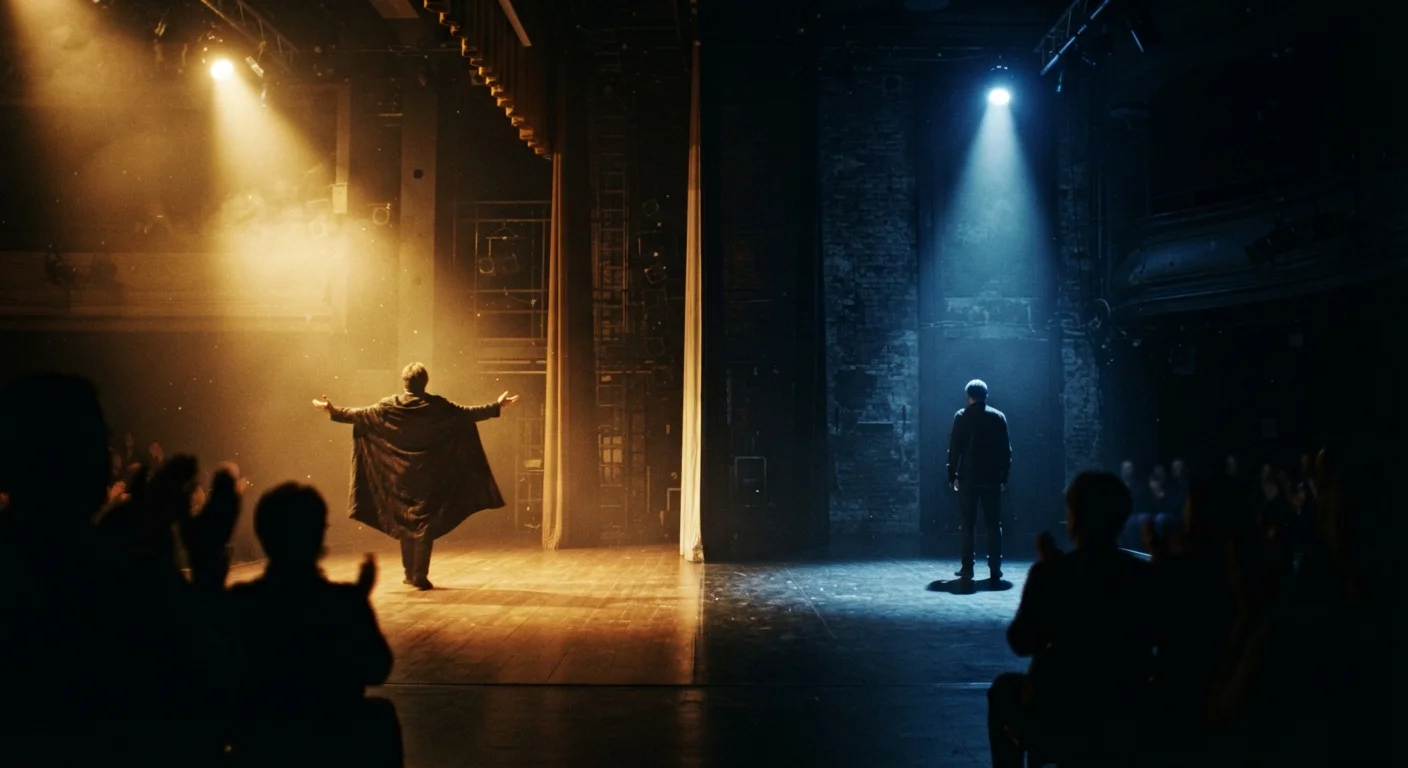
The Myth of the Permanent Cancellation
Few phrases in contemporary pop culture carry as much rhetorical weight - or as much imprecision - as 'cancel culture.' The term conjures images of careers obliterated overnight, of public figures vanished from screens and playlists by collective decree. The reality, as media researchers and entertainment journalists have documented, is far messier and more forgiving than that framing implies.
Most public figures who face serious backlash do not disappear. They recalibrate, find new platforms, or simply wait for the news cycle to move on. What varies enormously is the cost of that waiting period - and who gets to wait it out comfortably.
Myth
Getting 'cancelled' effectively ends a celebrity's career for good.
Fact
Most public figures who face cancellation retain or eventually rebuild substantial careers, often within a few years.
The narrative of permanent cancellation is more dramatic than the data supports. Cultural critics and media researchers have noted that high-profile backlash frequently produces a dip - not an erasure. Streaming platforms, podcast networks, and live-touring revenue provide alternative pathways that didn't exist a generation ago. A celebrity with deep-rooted fan loyalty often emerges from controversy with their core audience intact, sometimes even energized. That said, the severity and credibility of the underlying allegations matter enormously, and some figures do face genuinely lasting professional damage.
Myth
Cancel culture applies equally to everyone regardless of status or identity.
Fact
Outcomes differ significantly based on a public figure's race, gender, existing industry power, and the type of allegation involved.
This is one of the most thoroughly documented gaps in how public backlash actually plays out. Studies of media coverage patterns show that women and people of color frequently face swifter, harsher, and more durable consequences for comparable offenses than white male counterparts. A white male star with decades of box-office credibility and studio relationships tends to find professional doors reopened more quickly. This unevenness doesn't mean accountability is wrong - it means the system applying it is inconsistent. Fame, notoriety, and influence each confer different levels of industry protection, and those distinctions matter.
Myth
A sincere public apology is usually enough to restore a damaged reputation.
Fact
Apologies help only when they are specific, unhedged, and paired with demonstrable behavioral change over time.
The celebrity apology has become almost a genre of its own - and audiences have grown adept at spotting the hollow ones. Communications researchers have found that apologies framed around the feelings of the offended party, rather than the feelings of the accused, tend to be received more credibly. Vague statements that emphasize 'how hard this has been for me' frequently backfire. Genuine repair typically requires time and visible change, not just a well-worded statement. What actually determines a successful comeback goes well beyond the initial press release.
Myth
Social media is solely responsible for cancel culture's power.
Fact
Traditional media, institutional decisions, and advertiser behavior are equally - often more - decisive in determining outcomes.
Twitter or TikTok outrage can ignite a backlash, but it rarely completes the story alone. Whether a studio drops a contract, a network pulls a show, or a brand severs an endorsement deal depends on boardroom decisions that weigh reputational risk against financial stakes. A trend on social media that lacks mainstream news pickup tends to dissipate quickly. Conversely, sustained investigative journalism - not viral hashtags - has been the mechanism behind some of the most consequential public reckonings in entertainment history. How celebrity stories move through the media lifecycle reveals how these forces interact.
Myth
Audiences never forgive - once public opinion turns, it stays turned.
Fact
Audience memory is shorter and more selective than the intensity of initial backlash suggests.
The velocity of modern media means both cancellations and rehabilitations can happen faster than ever. A viral moment that reshapes a public image can cut in either direction - damaging one week, humanizing the next. Research on audience sentiment shows that nostalgia, new creative work, and personal relatability all function as powerful reset mechanisms. Audiences are not a monolith: dedicated fan communities often sustain a career long enough for broader public opinion to cycle back toward neutrality or even warmth.
Who Actually Bears the Consequences
The uneven application of public accountability is perhaps the most important - and least discussed - dimension of this conversation. Structural factors shape outcomes as powerfully as the underlying facts of any given controversy.
Power Imbalances Shape Every Outcome
Who recovers from public backlash is rarely just about what someone did - it's also about who they are and who supports them. Research in media studies consistently finds that gender, race, and industry standing influence which public figures face lasting consequences. These structural factors deserve acknowledgment in any honest conversation about accountability.
Industry relationships, financial reserves, and the willingness of studios, labels, or networks to absorb short-term reputational risk all tilt the playing field. A celebrity with decades of goodwill banked can often afford a multi-year hiatus and return to a receptive audience. Someone earlier in their career, with fewer institutional protections, rarely has the same runway.
Conflating Accountability With 'Cancel Culture'
The term 'cancel culture' is often applied so broadly that it loses analytical value. Lumping together minor social-media pile-ons and serious misconduct allegations obscures meaningful differences in severity, evidence, and appropriate response. Readers and commentators alike should be cautious about treating wildly different situations as equivalent phenomena.
None of this means public accountability is futile - it means its application is uneven in ways worth naming directly. Understanding those gaps is part of understanding how celebrity culture actually functions, distinct from how we imagine it works.
~60%
Cancelled celebrities who remain professionally active
A 2020 analysis by media scholars found that the majority of high-profile figures labeled 'cancelled' continued working in their industries within two years.
3-5x
Gap in lasting consequences by gender
Cultural critics and gender-studies researchers have documented that women in entertainment face disproportionately longer-lasting career impacts from comparable controversies compared to male peers.
The content on this site is for informational purposes only and is not a substitute for professional advice. Always consult a qualified professional for guidance specific to your situation.