

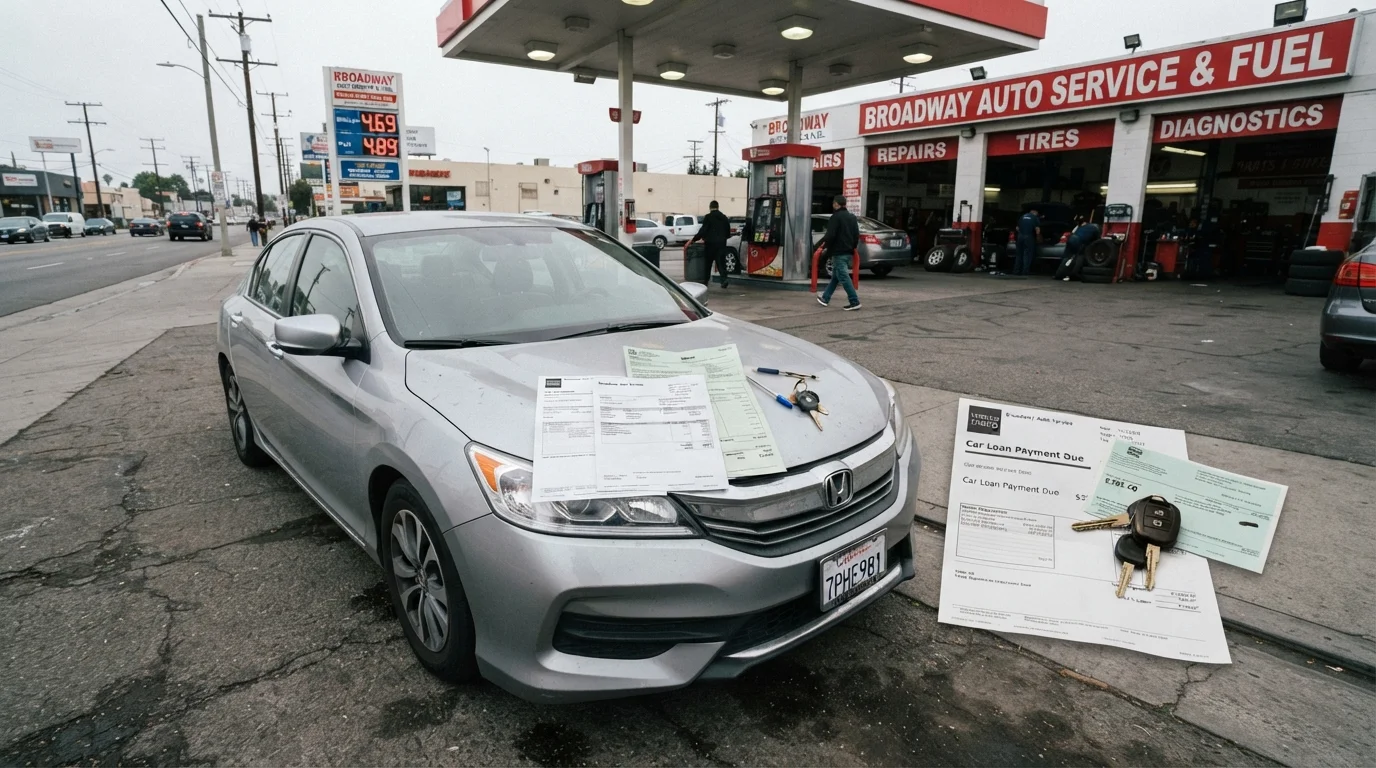
Why the Purchase Price Is Just the Start
Most Americans focus on the sticker price or monthly payment when thinking about a car purchase, but those figures capture only a fraction of what you'll actually spend. Industry estimates consistently show that the total annual cost of owning and operating a vehicle - including depreciation, insurance, fuel, maintenance, and fees - runs significantly higher than the loan payment alone.
Understanding the full picture matters whether you're buying, leasing, or simply budgeting for a vehicle you already own. For a broader look at how overlooked costs inflate major purchases, see how hidden costs make a 'good deal' expensive. Car ownership fits squarely in that pattern.
$12,000+
Estimated average annual cost to own a new car
AAA's annual 'Your Driving Costs' study has consistently estimated total ownership costs for a new average sedan exceed $10,000-$12,000 per year when all expense categories are included.
~20%
Typical first-year depreciation on a new vehicle
Many automotive valuation sources estimate new cars lose roughly 15-20% of their value in the first year, making depreciation the dominant ownership cost for new-car buyers.
15,000
Average annual miles driven by US motorists
The Federal Highway Administration reports that the average American driver travels approximately 15,000 miles per year, a key input for estimating fuel and maintenance costs.
Depreciation: The Largest Cost Most Owners Overlook
Depreciation - the loss of a vehicle's market value over time - is typically the single largest component of ownership cost, yet it's invisible on any monthly statement. A new vehicle can lose a substantial portion of its value within the first few years of ownership, with the steepest drop occurring in year one.
Depreciation isn't paid in cash directly, but it represents real money lost when you sell or trade in the vehicle. Drivers who plan to sell within a few years feel this cost most acutely. Those who hold a vehicle for ten or more years spread depreciation over a longer period, which can reduce its per-year impact.
Before purchasing any vehicle, calculate the expected depreciation over your planned ownership period - not just the monthly payment. A vehicle that holds its value better can significantly reduce your true per-mile cost.
Depreciation is the largest single cost category for most new-car owners, yet it's routinely ignored in purchase decisions that focus only on financing terms.
Request a vehicle history report and have a pre-purchase inspection done by an independent mechanic before buying used. This single step can uncover costly hidden issues that would raise your true ownership cost immediately.
Undisclosed mechanical problems or accident history on a used vehicle can translate into thousands of dollars in near-term repair costs that weren't factored into the purchase price.
If you're weighing whether to buy or lease, depreciation plays a central role in that decision. Our leasing vs. buying financial breakdown walks through how each path handles depreciation differently.
Insurance, Fuel, and Maintenance
Insurance is a mandatory ongoing expense in virtually every US state. Premiums depend on factors including the driver's history, location, vehicle type, and coverage level chosen. National averages for full-coverage auto insurance have risen in recent years, and many drivers pay more than they realize once all policy costs are added up. Separating myth from fact on this topic can make a meaningful difference - common car insurance myths deserve a closer look before your next renewal.
Fuel costs depend on local prices, the vehicle's fuel efficiency rating, and how many miles you drive annually. For a driver covering 15,000 miles per year in a vehicle averaging 28 miles per gallon, annual fuel spending at typical US prices can exceed $2,000.
Maintenance and repairs include oil changes, tire rotations, brake service, fluid replacements, and unexpected repairs. Routine maintenance costs for a typical passenger car generally run several hundred dollars per year under normal conditions, but older vehicles or those driven in harsh climates may require considerably more. See our car maintenance hub for guidance on keeping these costs in check.
Deferred Maintenance Compounds Costs
Skipping scheduled maintenance - such as oil changes, timing belt replacements, or brake inspections - to save money in the short term often leads to significantly larger repair bills later. A neglected vehicle is also more likely to fail in ways that affect safety. Always follow the manufacturer's recommended service intervals, which are outlined in your owner's manual.
Fees, Taxes, and Licensing
State and local governments layer several recurring and one-time charges on top of a vehicle's operating costs. These include:
- Sales tax at the time of purchase, which varies by state and can add thousands to the transaction cost.
- Annual registration fees, which differ widely - from under $50 in some states to several hundred dollars in others, sometimes tied to the vehicle's value or weight.
- Title and documentation fees charged at purchase, sometimes by dealers and sometimes by state agencies.
- Emissions testing and safety inspections, required in many states on a regular cycle.
- Toll transponder fees and parking costs for drivers in urban areas.
For a detailed look at these line items, hidden fees that inflate car ownership costs breaks down the charges that often catch owners off guard.
Putting It All Together: Estimating Your True Annual Cost
Adding up depreciation, insurance, fuel, maintenance, and fees gives a more honest picture of what a vehicle truly costs each year. While exact figures vary by vehicle type, location, and driving habits, estimates from transportation research organizations have placed the average annual cost of owning a typical new sedan well above $10,000 when all categories are included.
Drivers can build a personal estimate by tracking actual spending across each category for a full year, or by using the vehicle's published fuel economy rating and local insurance quotes as starting points. Car ownership also competes for budget space with other major expenses - mapping where your paycheck goes can help put transportation costs in context alongside housing, food, and savings.
Finally, staying on top of recurring ownership tasks - registration renewals, insurance reviews, maintenance milestones - helps prevent small costs from becoming large ones. The annual car ownership checklist is a useful starting point for organizing those responsibilities year by year.
This article is for general informational purposes only and does not constitute financial or legal advice. Consult a qualified financial professional for guidance specific to your situation.
The content on this site is for informational purposes only and is not a substitute for professional advice. Always consult a qualified professional for guidance specific to your situation.