

Why Keeping a Maintenance Log Is Worth the Effort
Most drivers understand they should change their oil regularly, rotate their tires, and check their brakes - but far fewer actually track when those tasks were done. Without a written record, it's easy to lose track of service intervals, duplicate work unnecessarily, or miss something critical entirely.
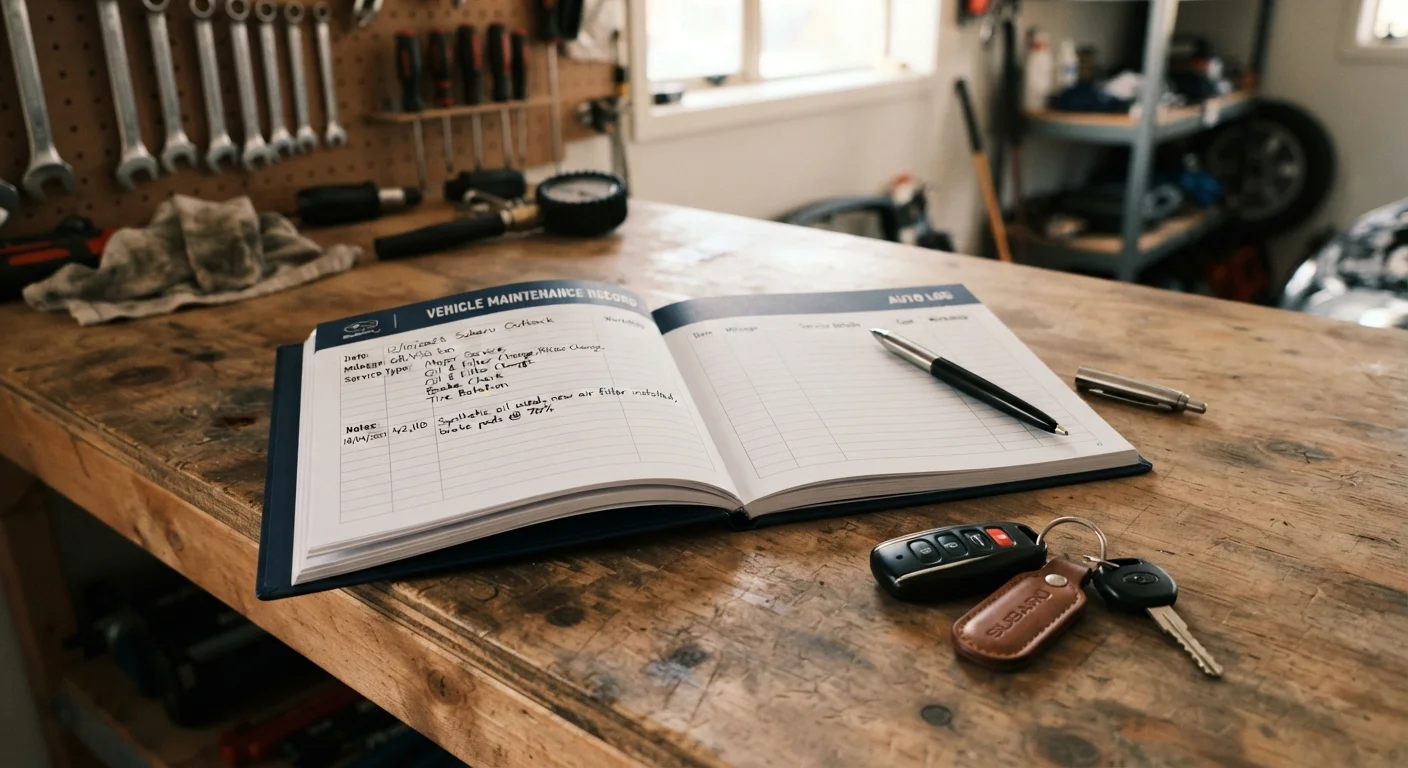
A vehicle maintenance log is simply a running record of every service, repair, and inspection performed on your car. It doesn't need to be elaborate. What matters is that it's consistent and accessible. Drivers who maintain one tend to catch issues earlier, spend less on reactive repairs, and have a clearer picture of their vehicle's true condition over time.
If you're performing tasks yourself at home, a log becomes especially important - you won't have a shop receipt to fall back on. See our guide to DIY car maintenance for a breakdown of which jobs are appropriate to do yourself and which are best left to a qualified mechanic.
Paper, Spreadsheet, or App - All Work
There's no single correct format for a maintenance log. A small spiral notebook kept in your glove box, a shared spreadsheet, or a smartphone app all accomplish the same goal. What matters most is that you actually update it after each service. Choose the format that creates the least friction for your habits.
What to Record in Your Log
The goal is to capture enough detail that you - or a future mechanic or buyer - can understand exactly what was done and when. At minimum, each entry should include:
- Date of service
- Odometer reading at the time
- Service or repair performed (be specific: "oil change" is better than "maintenance")
- Who did the work (shop name or "DIY")
- Cost paid
- Next service due (by mileage or date, whichever comes first)
For repairs, also note the symptom that prompted the visit and the diagnosis. This kind of detail is invaluable if a problem recurs. Pair your log with your vehicle's full service roadmap to ensure you're not missing milestone-based tasks as mileage climbs.
Log every service event immediately after it occurs.
Memory fades quickly, and a missed entry can create gaps that undermine the entire record. Timely logging ensures accuracy and keeps your schedule projections reliable.
Record the odometer reading for every entry, not just the date.
Many service intervals are mileage-based rather than time-based. Tracking mileage lets you project future needs precisely, regardless of how much you drive in a given month.
Keep receipts and attach or reference them alongside your log.
Receipts provide an independent paper trail that corroborates your log entries. They're especially useful if a warranty claim or dispute arises later.
Note any symptoms or concerns observed, even if no repair was made.
Intermittent problems are notoriously hard to diagnose. A log entry noting a noise or warning light - even if it didn't recur - gives a mechanic useful context months later.
Review your log before each scheduled service appointment.
A quick review ensures you can tell your mechanic exactly what's been done and flag anything that's overdue. It also prevents paying for services already recently completed.
How a Log Pays Off at Sale Time and Beyond
When you sell a vehicle privately or trade it in, a documented service history signals to buyers and dealers that the car has been cared for. It removes ambiguity and can support a stronger asking price - though no specific outcome can be guaranteed, since market conditions and vehicle condition vary widely.
Beyond resale, a log also supports smarter budgeting. When you can see at a glance how much you've spent on maintenance over the past year, you can plan ahead more accurately. For broader guidance on managing vehicle-related expenses, the Car Ownership hub covers insurance, financing, and the full cost picture of owning a vehicle.
Keeping a log also helps you stay current on annual responsibilities like registration renewal and safety inspections. Our annual car ownership checklist brings those tasks together in one place.
The content on this site is for informational purposes only and is not a substitute for professional advice. Always consult a qualified professional for guidance specific to your situation.